Rodeo and the Limits of Modern Skincare

White

Rodeo and the Limits of Modern Skincare

23 January, 2026

Words by:

Justin Jackie

There is a growing corner of Australian skincare that feels less interested in innovation and more interested in restraint. Not restraint as austerity, but as editing. Shorter ingredient lists. Slower production. Fewer claims. Products made close to where they are formulated, often by hand, often in small batches. Less optimisation, more intention. Rodeo sits inside that niche.

The brand did not emerge from a desire to disrupt skincare so much as a discomfort with it. “We started by looking at ingredient labels,” the team explains. “Even expensive items had a laundry list of synthetics, stabilisers, fillers and other things you’d never put in your body.”

That discomfort is increasingly common. Skincare, particularly at the premium end, has become dense with language and abstraction. Products promise outcomes without clearly explaining inputs. Rodeo’s starting point was simpler. Skin is an organ. If you would not eat an ingredient, why would you apply it daily?

That line of thinking led them to tallow.

Tallow is not new, nor especially fashionable. Rendered animal fats were once commonplace in skincare before being sidelined by lab-engineered alternatives that offered better margins and longer shelf lives. Rodeo does not frame its use of tallow as rediscovery. “It’s not new,” they say. “It’s just been ignored because it isn’t as profitable.”

The decision aligns Rodeo with a broader rejection of modern convenience culture. The brand’s internal language draws comparisons between cast iron and nonstick, field-grown and lab-grown. Not as nostalgia, but as a critique of how quality has been slowly traded for efficiency. “Everything today is optimised for convenience, shelf-life, and margin,” they note. “Not for quality.”

This is where Rodeo becomes less about deodorant and more about worldview.
Their manifesto talks about returning to practices that are grounded and proven, but they are careful not to romanticise the past. “We’re not trying to be nostalgic for the sake of it,” they say. “We’re returning to practices that were built to last.” Tradition, for today.

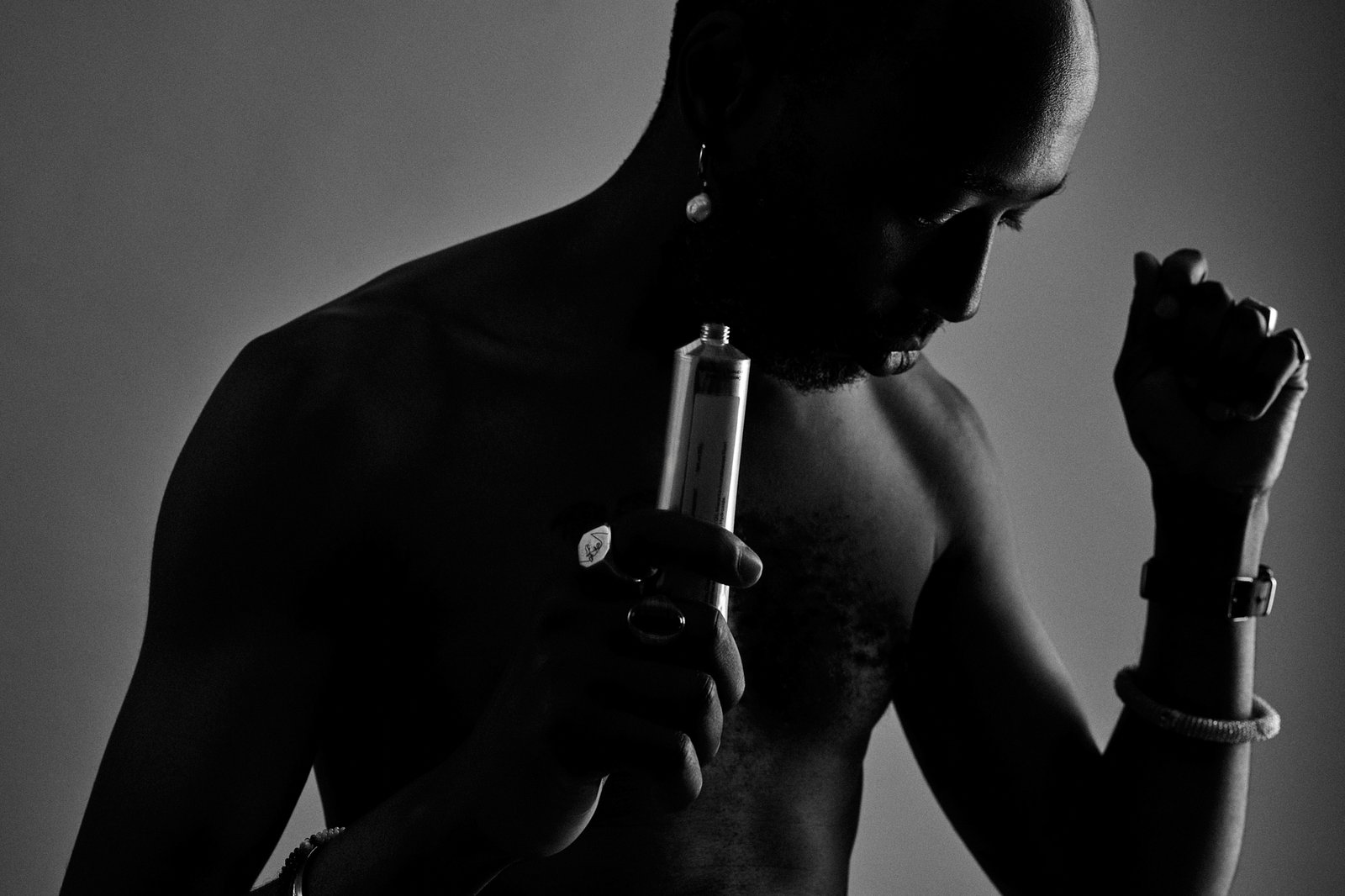
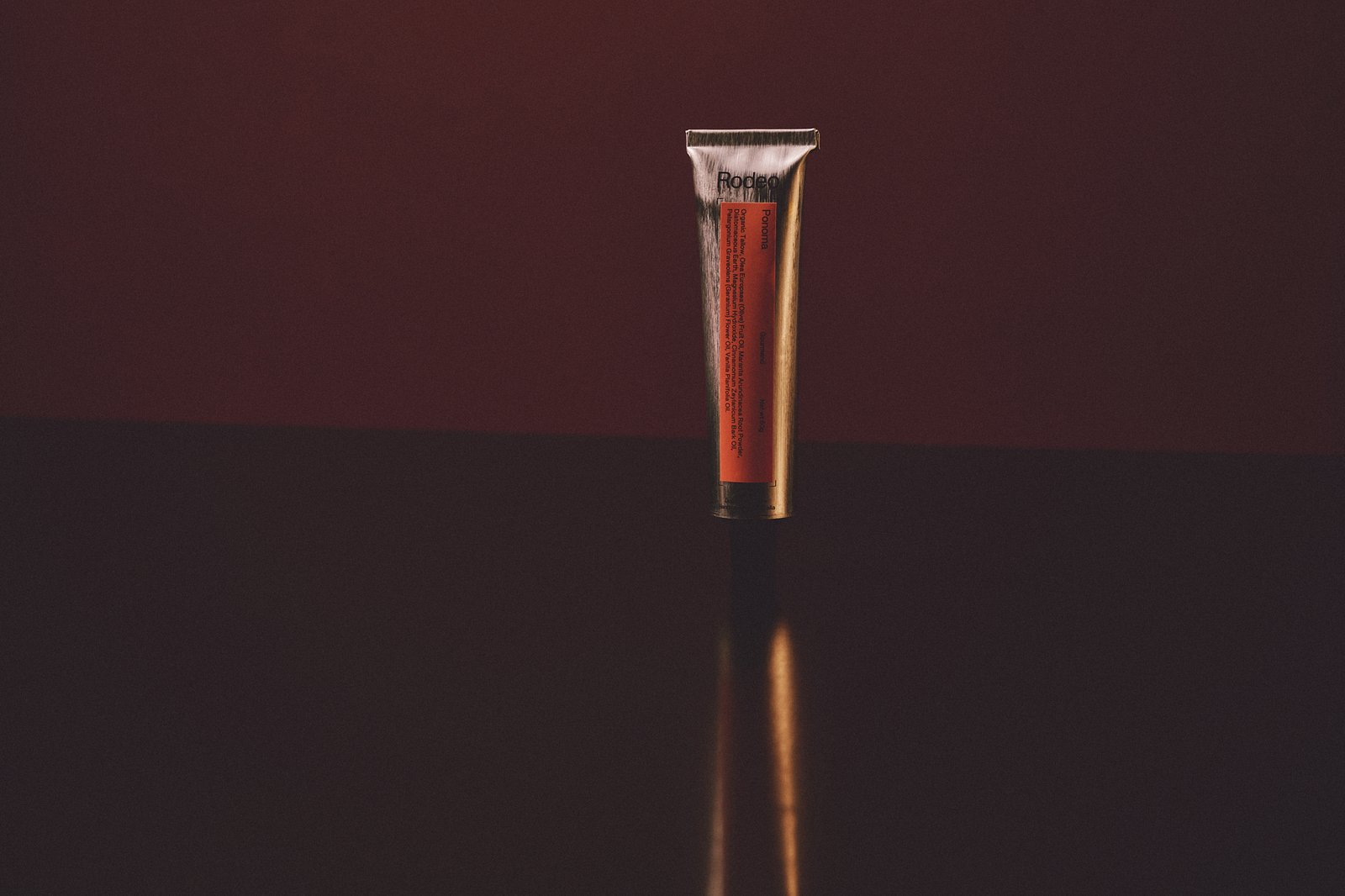
That balance is visible in the product itself. Rodeo’s deodorant does not look rustic or homespun. It is clean, modern, and deliberate. Ancient inputs, contemporary execution.

The category choice is telling. Natural deodorant is notoriously unreliable, a graveyard of good intentions and poor performance. Rodeo was aware of that reputation and treated it as a constraint rather than an excuse. “We refused to launch a deodorant that didn’t actually work,” they say. “Performance came first.”

Iteration continued until the formula could compete with conventional deodorants under real conditions. Heat. Stress. Daily wear. Only then did fragrance become part of the conversation. The result is a product that does not ask for patience or belief. It either works or it doesn’t.

Another hard line Rodeo drew early was ingredient edibility. Every component in the product can be eaten. “Using edible ingredients forces integrity,” they explain. “It means we can’t hide behind jargon or lab-made naturals.”

That rule does more than signal purity. It collapses complexity. It removes the grey area where many brands operate comfortably.

Rodeo is based in Melbourne, and its products are handmade in Australia. In the context of slow beauty, that matters less as a patriotic marker and more as a structural one. Proximity keeps decision-making human. Sourcing, formulation, and production remain close enough that compromise is harder to disguise.

That closeness extends to materials. High-quality, organic, grass-fed Australian tallow is difficult to access at scale. Rodeo sources through personal networks rather than anonymous supply chains. Fragrance development follows a similar path, relationship-led rather than industrial. The supply chain stays short because it has to.

Visually, the brand reflects that economy. Ingredients are listed clearly and prominently. There is no attempt to obscure or soften what the product is. The identity feels minimal, but not sterile. Rugged without leaning into caricature.

Online, the site avoids the hyper-polished sheen common to skincare brands. It feels tactile, textured, almost physical. The digital experience mirrors the product philosophy. Nothing excessive. Nothing decorative without purpose.

Rodeo’s unisex positioning follows the same logic. The brand avoids gendered cues not as a statement, but as a default. “Good skincare shouldn’t have a gender,” they say. “It should just be good.”

The people drawn to Rodeo are not a single type. Some are already sceptical of mainstream skincare. Others are simply beginning to question what is inside the products they use every day. Rodeo does not attempt to convert either group. It offers an alternative and allows use, not language, to do the convincing.

In a market crowded with acceleration and novelty, Rodeo feels part of a quieter Australian movement. One that values fewer inputs, slower systems, and products that earn trust through repetition rather than promise.

Your next Read

A New Material in a Classic Design Ceramic, a material known for its durability and …

A Journey Across Continents Dylan Best’s path into the world of fashion was anything but …

The pop-up House of Q experience is hidden behind a secret door, located within what …

In a city like Melbourne, where heritage facades butt up against concrete ambition and pocket …