Sarah: Alright, Chef, question one. What was the reason behind opening the hotel?
Josh: Well.. 2018, I got a knock on the door at Oxford Street from a gentleman who had just acquired the building. He didn’t say that upfront — he just asked if I wanted to come for a walk around the Grand National Hotel. I thought maybe one of my guys had gotten into a fight at the pub or something. We walked over, and I’d never really been inside before. It was pretty decrepit — it stunk, there was a dog tied to the front door — not what I expected at all.
Then he told me he had just bought the building. I asked, “What did you do that for?”He said people his age were buying boats, and this was his boat.
He told me he’d had some great meals at St. Peter and thought I should move the restaurant into a bigger space in this building. At the time, things were going well for me — I was thinking about writing a book, opening the fish butchery, and I’d just come back from Paris after being nominated for a sustainability award — so I said no.But we kept meeting for coffee most weeks. Eventually, I said yes, partly because I’d grown to really like him. He became a bit of a mentor and friend.
Then COVID happened, and I said no again.
The whole thing took about six years. About two years before finishing, he asked what we wanted to do about the hotel. We talked about bringing someone else in to run it — there were a few interested operators — but Julie and I realised that if we had a desirable restaurant, it didn’t make sense for someone else to leverage the hotel off the back of it. So we decided to do the hotel ourselves, despite having almost no hotel experience. We just started reading and figuring it out.
Julie led a lot of the creative and administrative development, and our general manager at the time, Chris Cabellas, had studied hotel management and was keen to run it. The important thing is we kept the business independent. The building owner stayed our landlord, and Julie and I still operate everything ourselves.
Sarah: Why Paddington? Was it because your restaurant was already there?
Josh: Partly, but there was a broader rationale. I worked for years at Fish Face in Darlinghurst under Steve Hodges. From when I was about 19, I was meeting a lot of the regulars — hospitality people and Eastern Suburbs locals — who had this deep loyalty to the restaurant because the fish was excellent.
A lot of those people kept following me to other restaurants after that. Then there was Pier in Rose Bay, which was arguably one of Australia’s best seafood restaurants. It was where people went for special occasions. So I looked at the map: Darlinghurst on one side, Rose Bay on the other. Paddington sits right between them. It felt like the obvious place. The sushi train space that became the original St. Peter was also perfect in terms of size and layout, and Julie and I could afford it because we had no investors.
Sarah: A lot of chefs I admire seem to have a certain bravery when it comes to risk, creatively and professionally. Opening a hotel feels like that, too. Is taking risks something you think about?
Josh: Not really in terms of actively seeking risk. Julie and I are actually quite risk-averse people. Before opening St. Peter I’d seen the best and worst sides of running restaurants — as an apprentice, as a chef, and through watching businesses unravel. Seeing the worst makes you cautious.
I always told Julie: if we open a restaurant, we need a parachute to pull if things go wrong. Originally, I had a business partner lined up who would own more than 50% and handle all the financial infrastructure. I’d just focus on cooking. But the night before signing the lease we realised the goalposts were shifting — stylistic decisions about the menu, things like whole-fish cookery — and it felt like we might lose creative control.
So we pulled out and decided to do it ourselves. I emailed him that night, saying we’d pursue it independently. He replied two minutes later from Japan, saying, “No problem. Good luck.” The next morning I went to the solicitor’s office to sign the lease and actually threw up in the bin because the reality of it all hit me.
So yes, sometimes decisions look bold from the outside, but for us they’re usually about trusting our gut and staying consistent with what we believe in.
Sarah: I heard you speak about the illness you experienced growing up. Do you think that shaped how you think about risk?
Josh: Definitely to some extent.
When you face your own mortality at a young age — but old enough to understand it — you tend to set yourself unrealistic deadlines for the things you want to achieve. I’m 37 now. We opened St. Peter when I was 26 and already had two kids. Now we have four, a mortgage, all the usual adult responsibilities. But that early experience makes you push yourself to pursue what you really want.
The key thing is that everything we do is calculated. Once we opened St. Peter independently, every decision was about improving what we were doing. That led to opening Fish Butchery so we could buy better fish and improve the restaurant. During COVID we opened Charcoal Fish because St. Peter was closed and we needed revenue.
Later, we opened Petermen to train staff ahead of the new St. Peter building — but what was meant to be a one-year plan turned into three and a half years because construction kept being delayed. That period was incredibly difficult financially. We were scaling the company before the new restaurant opened.
Eventually, as the opening approached, we started shutting things down — Paddington Fish Butchery, Charcoal Fish, Petermen — and consolidated everything into the new building. From the outside it might look like constant expansion, but really it’s about making decisions that keep the business alive and sustainable.
Sarah: When chefs expand into things like hotels, people often see it as creative expression. But listening to you, it sounds more practical.
Josh: It’s both. Taking over the whole building allowed us to control the entire hospitality experience. Guests arrive excited because it’s their special weekend — maybe a birthday, maybe they organised childcare, maybe family flew in. That moment matters. So we wanted the experience to flow: check in, snacks and drinks in the room, dinner downstairs, maybe a cheeseburger at the bar, a walk around Paddington, turndown with chocolates, then breakfast the next morning.
The goal is to respect the importance of their moment.
Sarah: I was pretty impressed by all the…fishy touchpoints. How did you approach building the restaurant experience into the hotel?
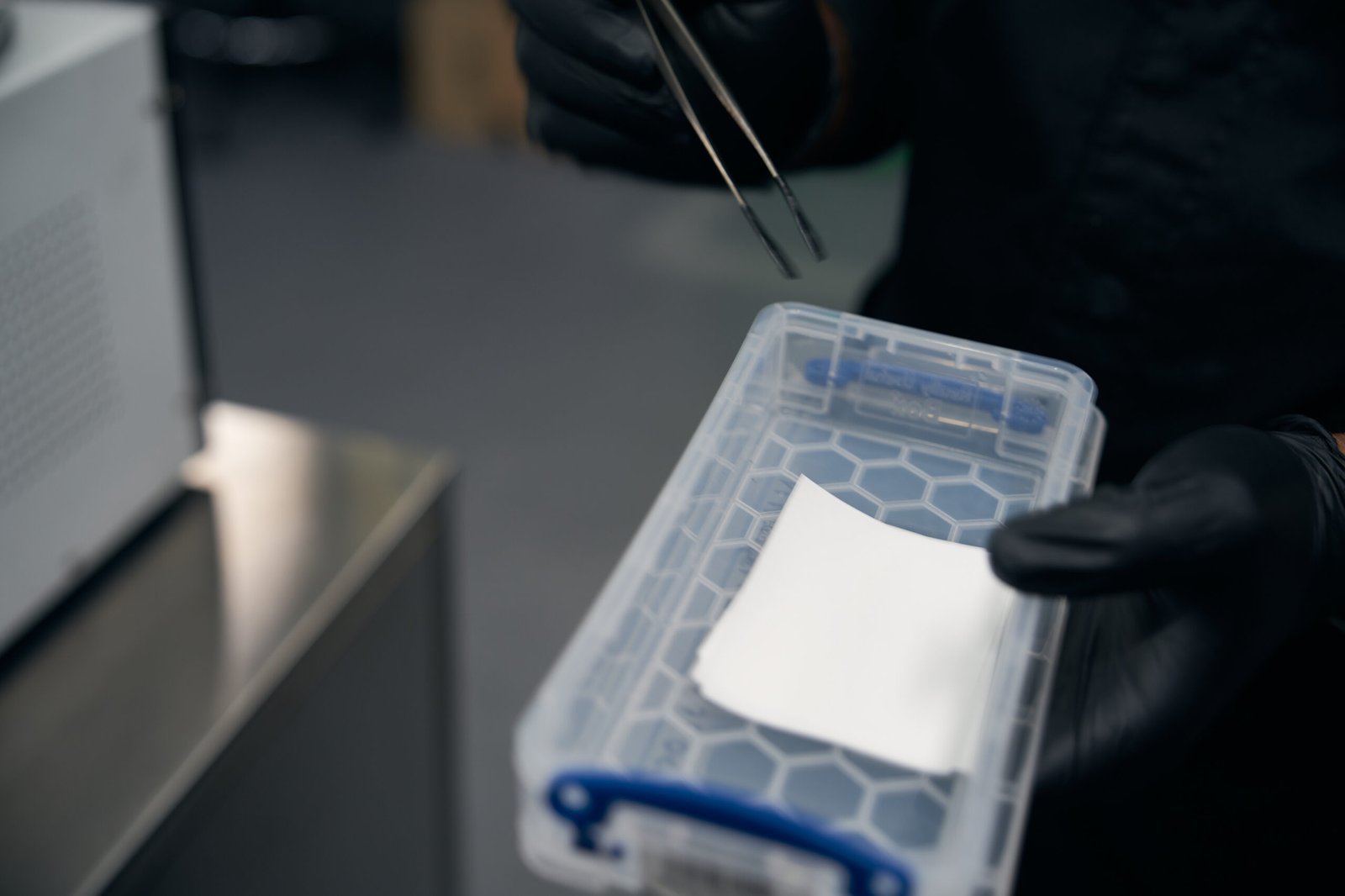
Josh: Once you realise you can make things like fish-fat candles or plates from fish bones, you start thinking about how those ideas extend throughout the space. Soap made from fish fat, fish-bone mugs, my books in the rooms — little gestures that tie everything together.
The challenge is making sure it doesn’t feel self-indulgent. We wanted it to feel like modern Australian luxury, not European luxury transplanted into Australia. To me, that means transparency, warmth, and flexibility. Whether you arrive in a T-shirt and thongs or fully dressed up, the experience should feel equally welcoming.
Sarah: I like that idea of Australian luxury. The territory feels a little untouched.
Josh: Exactly. We all travel and see incredible places in Paris, Greece, and London — and then we come home thinking we should replicate them. That’s why you see Nordic restaurants, New York brasseries, Southeast Asian-style hotels.
Those are wonderful, but it’s also nice to create something that actually feels like Sydney. Looking out at the Sydney Tower, jacarandas flowering in the street, eating mud crab for breakfast — those things remind guests where they are. We want people to look out the window and think: Paddington, Sydney. Not anywhere else.
Sarah: Were there particular hotels that inspired the design?
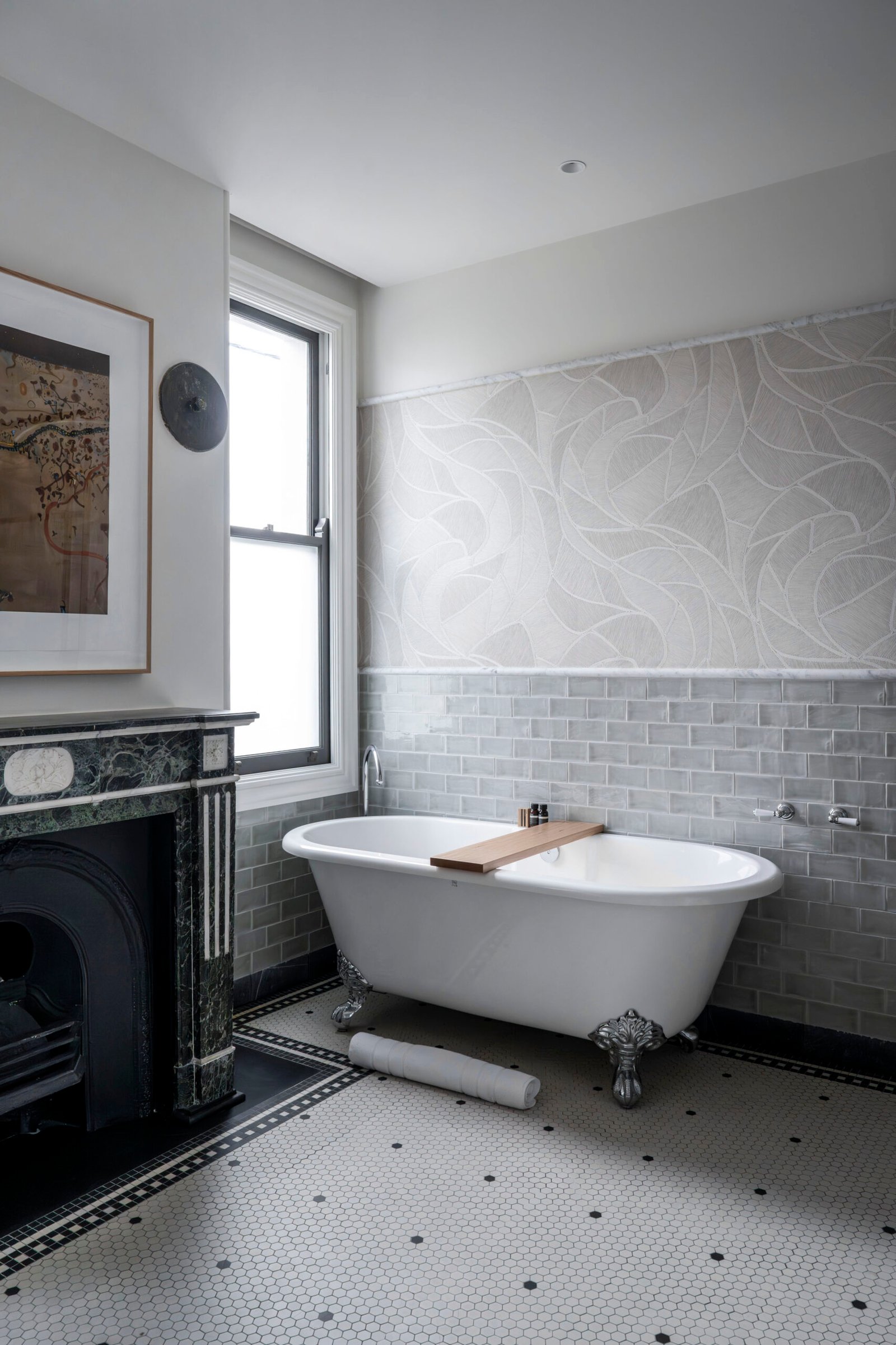
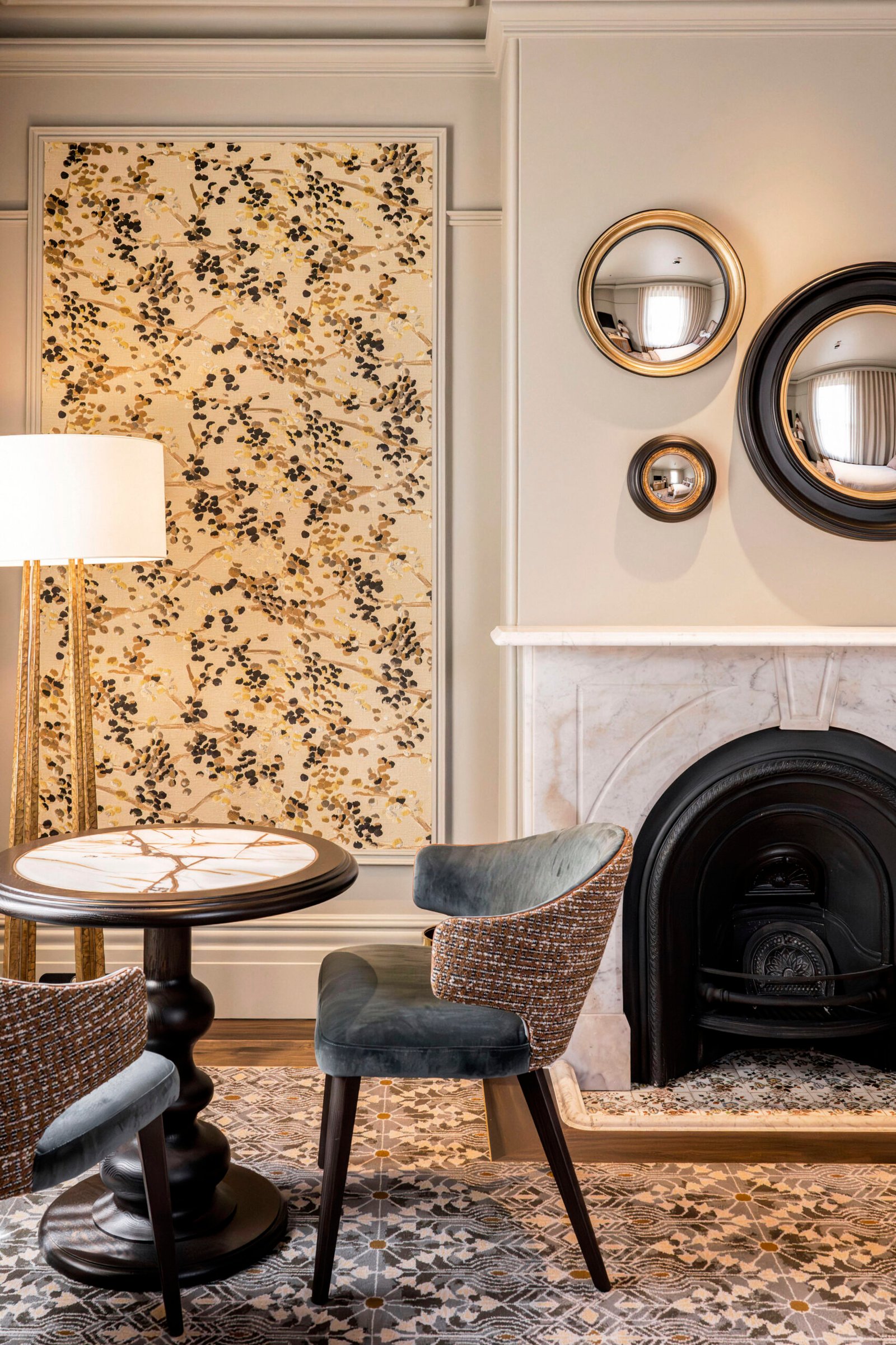
Josh: We shared a list of places we’d loved — Michel Bras’ hotel in France, the Roca family’s hotel in Girona, Dan Hunter’s Brae, the Royal Mail Hotel, the Lake House. Australia already has an incredible tradition of restaurants with rooms. But when it came to the actual materials and finishes, that’s where our designers — Studio Aquilo — were essential. When they showed me boards with 35 different materials — carpets, tiles, fabrics — I had no idea how to visualise it. Belinda and Dimity were extraordinary at seeing the big picture. Interestingly, they also used my books and Instagram as visual references. Even details from Oxford Street influenced the design.
The building owner, George Panglas, and his wife Christine also helped ensure we respected the history of the Grand National Hotel — keeping elements like the architraves, ceiling roses, and stars on the building façade.
Sarah: I feel like you’ve done a lot to represent Australian hospitality internationally. So many chefs speak about you with admiration. How does that feel?
Josh: I’m incredibly grateful, and I never let that feel normal. Even hearing you say that gives me goosebumps. But it truly takes a village — the team, publishers, collaborators — to distil all the ideas into something coherent. For example, Wini Winkler worked with me for ten years and was our first restaurant manager. Tonight she’s hosting at the door again. People join the team, bring incredible energy and ideas, and elevate everything we do.
So while it’s nice to hear that recognition, the reality is that the evolution of St. Peter is the result of many people contributing. I’m just grateful to have the opportunity to communicate what we’re doing.