Black

Does Cannes Still Matter?

13 April, 2026

Words by:

Sarah Palmieri

At a time when culture feels increasingly shaped by politics and the mainstream, the Cannes Film Festival still holds itself as a space for art to have an opinion.

As May approaches, so does the Cannes Film Festival, where the red carpet will soon be rolled out along the façade of the Palais des Festivals. But like all glamorous affairs steeped in the prestige of the past, it raises a familiar question: Does any of this still matter?

It is difficult to ignore the moment we are living in. One that makes premieres, designer gowns, and flashbulbs feel out of step against the mass loss of human life during a disgraceful period of political warfare. Perhaps it would have felt different in another era, when ignorance could be excused by not having smartphones constantly delivering the news, whether we choose to engage with it or not. Now, it feels as though we are more removed than ever from the substance of what we consume, for better or worse.

With Netflix, Amazon, and other platforms producing increasingly polished, hyper-palatable content, the centre of storytelling has completely changed. These films are widely accessible, especially outside the cinema, but often lack the imperfections that give older classics their sense of honesty.

Right now, the trend seems to be emotionally investing in aesthetics and striking, isolated moments, specific scenes that feel controversial or visually impressive. And this trend is outweighing the value of a great narrative. In Marty Supreme, Timothée Chalamet going down on Gwyneth Paltrow in Central Park was the only moment that felt memorable to me. The rest of the story held very little. If I want to see a man winning against all odds, I’ll watch Forrest Gump.
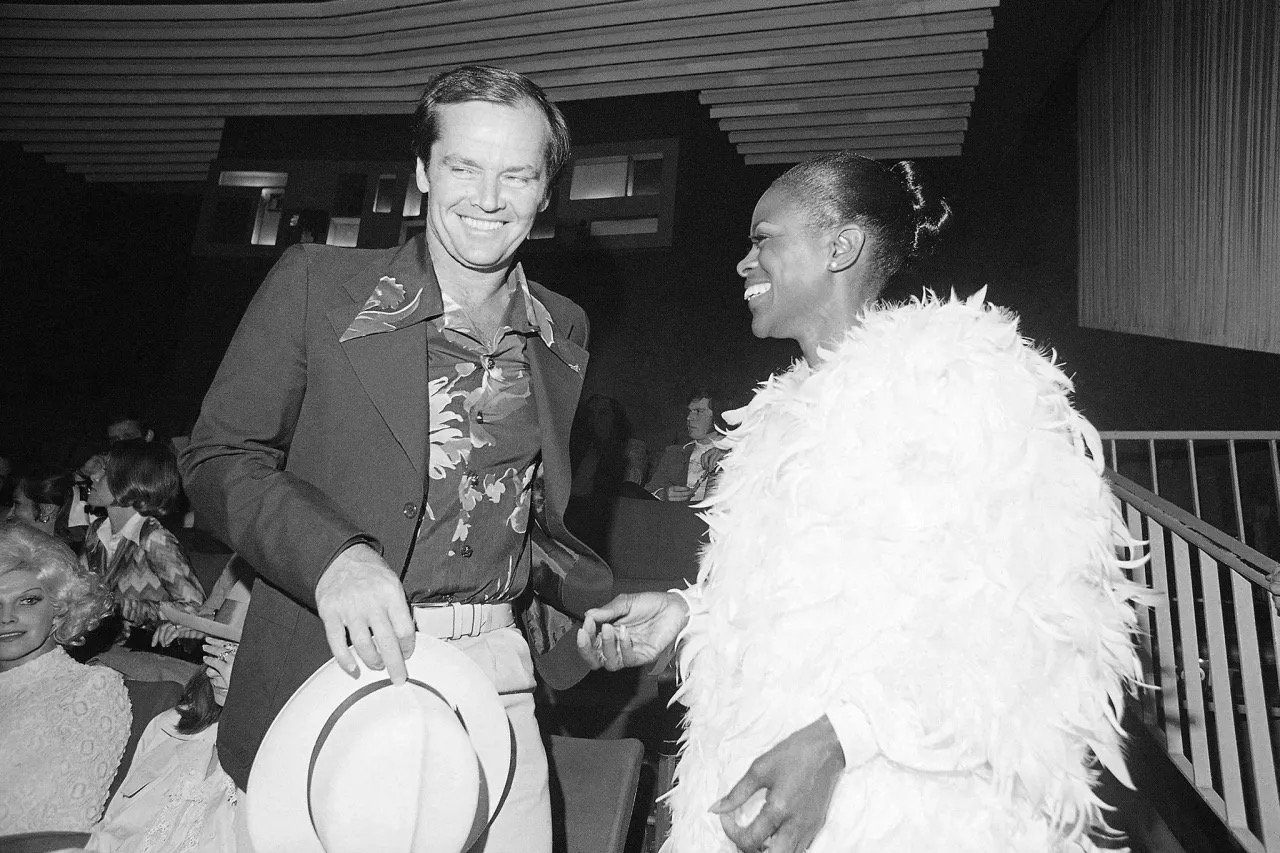
The film world, although pushing out more, is feeling… diluted, and the Academy Awards often celebrate this. They focus on commercial, mainstream cinema, which is why so many of us, when we see a piece of great independent film, wonder why it is not up for a nomination. At the same time, the mainstream is beginning to lean into the nuances that make independent cinema great. Films like Paul Thomas Anderson’s One Battle After Another are being shot on 35mm Vista Vision, a texture that once sat firmly outside the modern studio system. Or take Die, My Love, which attempts to tell a grainy, low-budget, raw story while casting one of the highest-paid actors in the world, Jennifer Lawrence, as its lead.

That is where film festivals make a difference. The Berlinale, Venice, Sundance, Cannes. They are international competitions. The point is to showcase arthouse cinema, new talent, independent works, and to give a platform to films that stretch what the commercial scene would typically allow.

The Venice Film Festival, founded in 1932, was the first of its kind. By 1938, it had become a formal international competition, though its jury looked very different to what we see today. Rather than filmmakers and critics, it was composed largely of diplomats and cultural figures. Its founder, Giuseppe Volpi di Misurata, sat alongside jurors including René Jeanne, Ryszard Ordyński, Humberto Mauro, and Alfonso Rivas Bustamante.

That year, the festival’s top prize, the Mussolini Cup, became a huge political controversy. While many jurors favoured the American film Jezebel, starring Bette Davis, the award was redirected under pressure from Hitler and Fascist Italy to Olympia, a Nazi propaganda film, alongside the Italian film Luciano Serra, Pilot.

And so the story goes, on a train back to France, Philippe Erlanger was still carrying the anger he and his fellow jurors felt over the political force injected into the judging. He decided to create his own film festival, one that would be held within the democracy of France.

The first Cannes Film Festival was scheduled for September 1, 1939. On the same day that Venice opened. But when Germany invaded Poland, the event collapsed, and tourists fled the city. Despite the danger, the first ever screening went ahead, The Hunchback of Notre Dame directed by William Dieterle. The rest of the festival was abandoned and would not properly begin until 1946.

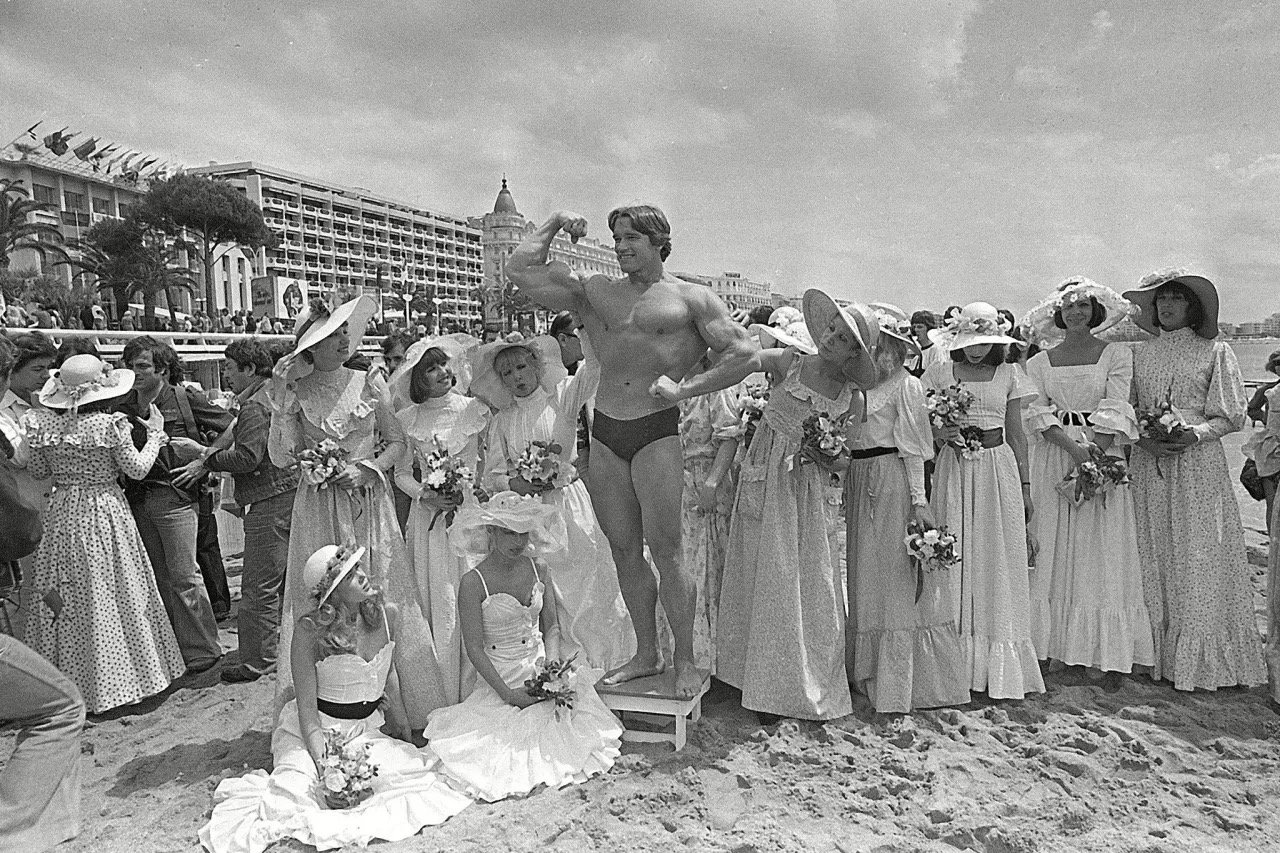
For all the spectacle synonymous with the affair, the Hôtel Barrière Le Majestic overlooking the Croisette, and tables at La Palme d’Or that are booked months in advance, protests and outrage might be the most consistent element. In 1968, filmmakers including Jean-Luc Godard and François Truffaut clung to the red curtain on stage “like grapes” it’s told, halting screenings of Peppermint Frappé in protest against the political situation in France.

In 1987, when Maurice Pialat won the Palme d’Or for Under the Sun of Satan, he was met with a chorus of boos. He raised his fists and responded, “You don’t like me? Well, let me tell you that I don’t like you either.” 

More recently, Steve McQueen, director of 12 Years a Slave, dedicated his films Mangrove and Lovers Rock to George Floyd in 2020. There have been political ties to fashion, like Kani Kusruti carrying a watermelon clutch, Bella Hadid’s keffiyeh dress, and Cate Blanchett’s black and green dress, all nodding to support of Palestine in 2024.

Today, ahead of its 79th edition, the Cannes Film Festival has given a stage to some of the most important films in modern cinema. Taxi Driver, Pulp Fiction, The Piano, No Country for Old Men, Drive My Car. It has done this while remaining one of the most influential film festivals in the world, and largely staying true to the ethos it was created with. It exists as part of a broader network of film festivals designed to platform a range of voices. Films that might otherwise struggle to find space, especially now, when the industry is shaped so heavily by what sells and its politics. 

So while the optics of Cannes can feel excessive, the function remains. It is not just the red carpet, or the hotels, or the deals made behind closed doors. It is the conditions it creates for cinema and its reflection on the World to be seen and fought for. 

Your next Read

In the early 2000s, the Smart ForTwo was more than just a car—it became a …

In a city like Melbourne, where heritage facades butt up against concrete ambition and pocket …

Maison Margiela’s latest announcement arrived via a Dropbox link marked “Maison Margiela/Folders” last February. Inside …

From past Palme d’Or winners to first-time Cannes debuts, we’ve curated a list of films …