But for cars, of course the fuel crisis is only one factor shaping the buying culture right now. Through a broader lens, whether it’s clothes, handbags or where we eat dinner, the things we choose to spend our money on carry meaning beyond their function. They signal values, taste, identity. The person driving a Mustang convertible is saying something very different from the person in a Nissan Skyline. The same goes for someone wearing a Rolex Daytona in comparison to a Swatch Jelly Fish.
Tesla, the brand that delivered more electric vehicles globally than any other over the last decade, to some, no longer stands for what it once did. What was built as a sustainability statement has become synonymous with the politics of its leader. For a growing number of people, what they drive now reflects not just taste, but the ethics and allegiances they are willing to be associated with.
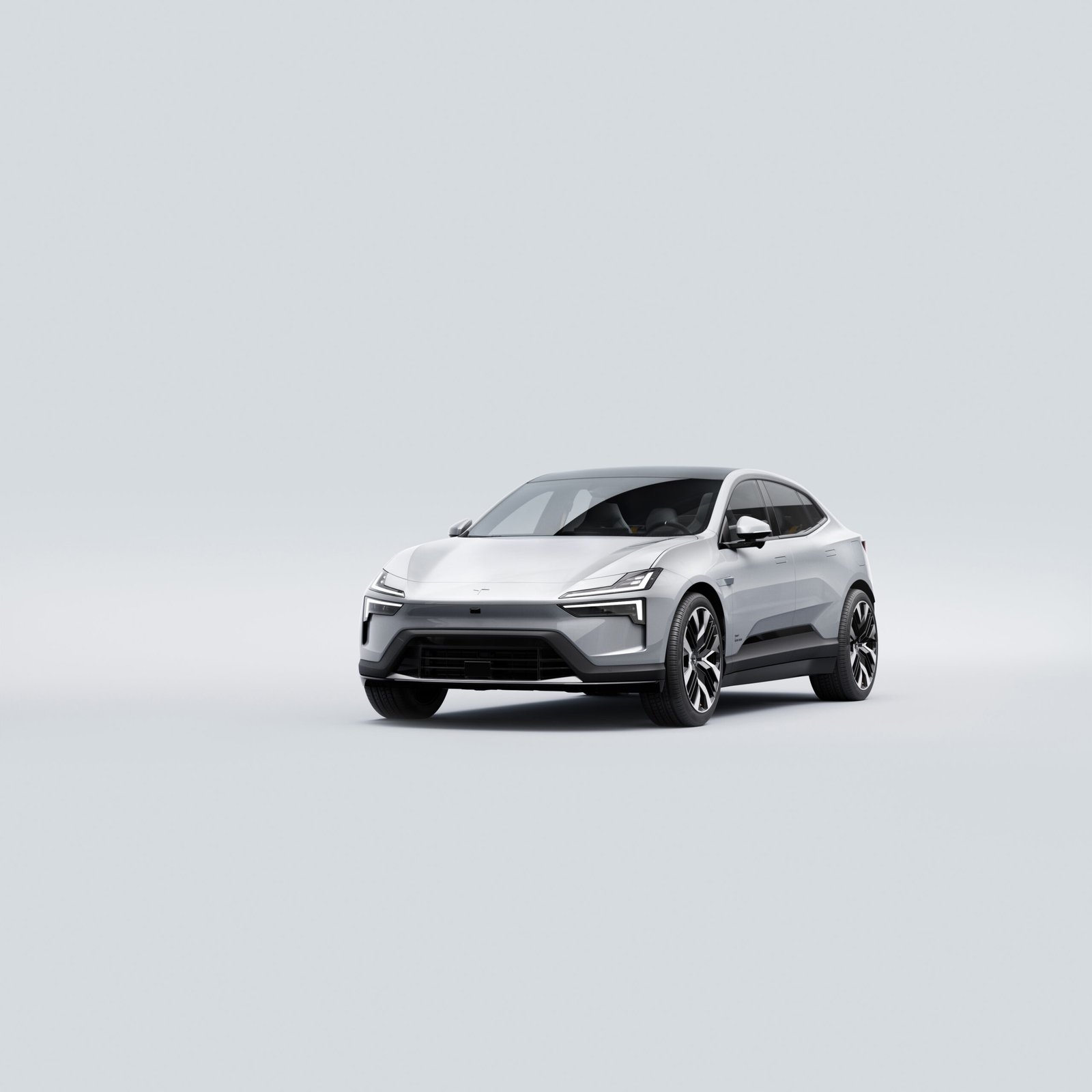
Polestar has slid into that gap. The Swedish brand’s latest campaign uses the lines “No Dirty Secrets. No Conquering Mars.” Not so subtle, and not so afraid to make its stance known — which, frankly, I find rather charming. It backs that up with full transparency on where its vehicles are manufactured and the environmental impact of its supply chain, targeting a 50 per cent reduction in per-vehicle greenhouse gas emissions by 2030 and climate neutrality across its value chain by 2040. At a time when people are paying closer attention to what they are buying into, a brand that puts its numbers on the table makes the ethical investment an easier one.
That matters because buying an electric car was once a decision made by people for whom the environment came first and the cost came second. But that might not be the case anymore. What was once a niche choice is now opening up to a much broader market, with the price of fuel simply highlighting that entry point.
Eighty-two per cent of used EVs are now selling under $50,000, and 43 per cent under $30,000. Add on the Electric Car Discount, which exempts eligible EVs from fringe benefits tax and import tariffs, and Australian families are saving an additional $3,000 a year. The ethics and the economics are pointing in the same direction. And while cars are the example right now, the same logic can apply to most of what we buy — including my handbag.
Take a restaurant like Brae, built on the question of where things come from and why that matters, with much of its produce grown on its own farm. Even somewhere so rooted in self-sufficiency isn’t immune to the world’s reliance on fuel. The cost of moving food, growing it, and keeping a supply chain intact has climbed. Urea, one of the world’s most widely used fertilisers, has risen close to 50 per cent in recent months — pushing up the base cost of what it takes for farmers to grow food in the first place.
At the same time, the discretionary spending that keeps restaurants like this viable is under pressure. The same instability that makes everyday travel less predictable also shapes what ends up on a plate, and what people are willing to pay for it.
Driving back along the Great Ocean Road the following morning, Billy Idol on the stereo and rain falling through the gum trees, all these thoughts and the conversation from the night before stayed with me. I’ve always questioned my purchasing choices and how they sit alongside my own sense of ethics and the wider state of culture. It just took a dinner in the Otways, and a drive home past a BP sign showing $2.22, for that attention to extend to cars.