Joyrolla's Steel Drink Bottle

Black

Joyrolla’s Infamous Vessel

9 May, 2026

Words by:

Sarah Palmieri

The Australian drink bottle inspired by vintage lighters, mid-century design and wabi-wabi. In an era of disposable everything, Joyrolla’s Vessel grows better with age.

I came across it the way you come across most things worth knowing about: by going up to a stranger. A woman lounging at Napier Quarter in Fitzroy, drink bottle in hand, so pristine and sleek I had to ask. “Joyrolla,” she said. “It’s called the Vessel.”

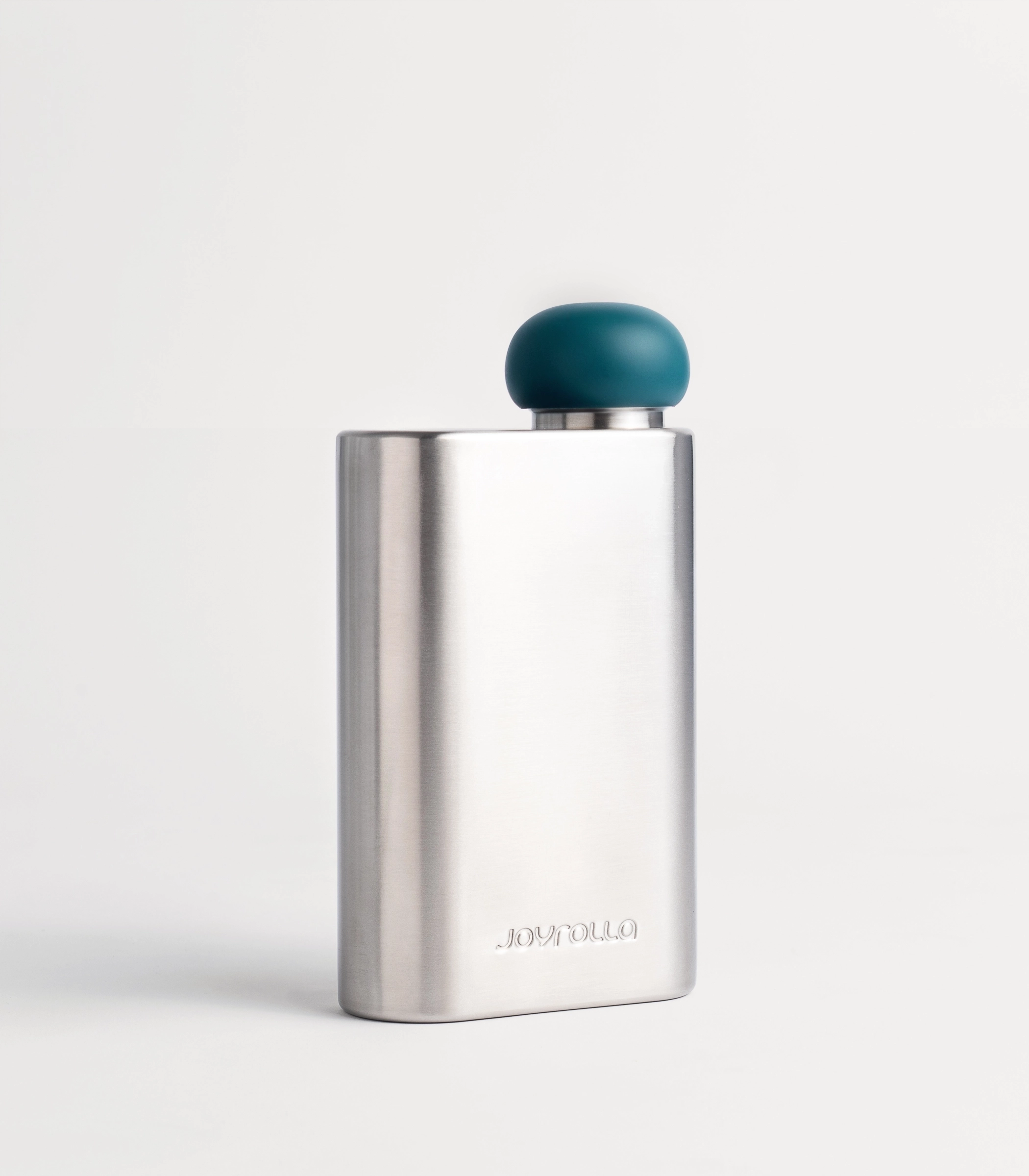
The aluminium suitcase of the drink bottle world is how I’ve come to think of it. Where quality, design and functionality combine to give you something that will age with glory. Words never used to describe a drink bottle before. I know.

It’s the work of Marissa and Alex Mills, the founders of Joyrolla and events company One Fine Day, who came to product design through graphic design and photography, then large-scale events, then an online store. “We’d always talked about creating a product of our own,” she says. “For a long time we didn’t know exactly what it would be. Eventually, it stopped being about waiting for the perfect idea and became more about just starting.”

Marissa tells us the design for the vessel was heavily inspired by mid-century furniture, architecture and objects from that era, spanning roughly 1945 to the early 1970s. “There’s so much personality in it,” Mills says, “particularly in the relationship between form and material.” The Vessel drew directly from vintage lighters and chrome furniture, “objects that feel considered even at a small scale.”

Mid-century design emerged after World War II as a reaction against the ornate formalities that had dominated before it. It was a period of optimism, new technologies, and new materials. Lines were sleek and minimalist, colours kept warm. People were steering away from the decorative and overly embellished, toward something more honest and simple that suited modern life. There was a belief that good design should belong to everyone, not just to those who could afford the elaborate.
It’s interesting to consider why this style has had such a resurgence over thr past few years and why it has a space to influence everything, even a drink bottle. Collectively, I think we are reaching for luxury through a minimalist lens again. We’ve been saturated by the loud, the branded, the disposable, and something in the culture is pushing back. Mid-century design offers a familiar frame for that, and the Vessel, along with the entire ethos of Joyrolla, fits neatly into that. 

“Functionality has been an obsession of mine from the very beginning. How something feels in your hand, how you actually use it day to day, how it fits into your life.”

— MARISSA MILLS

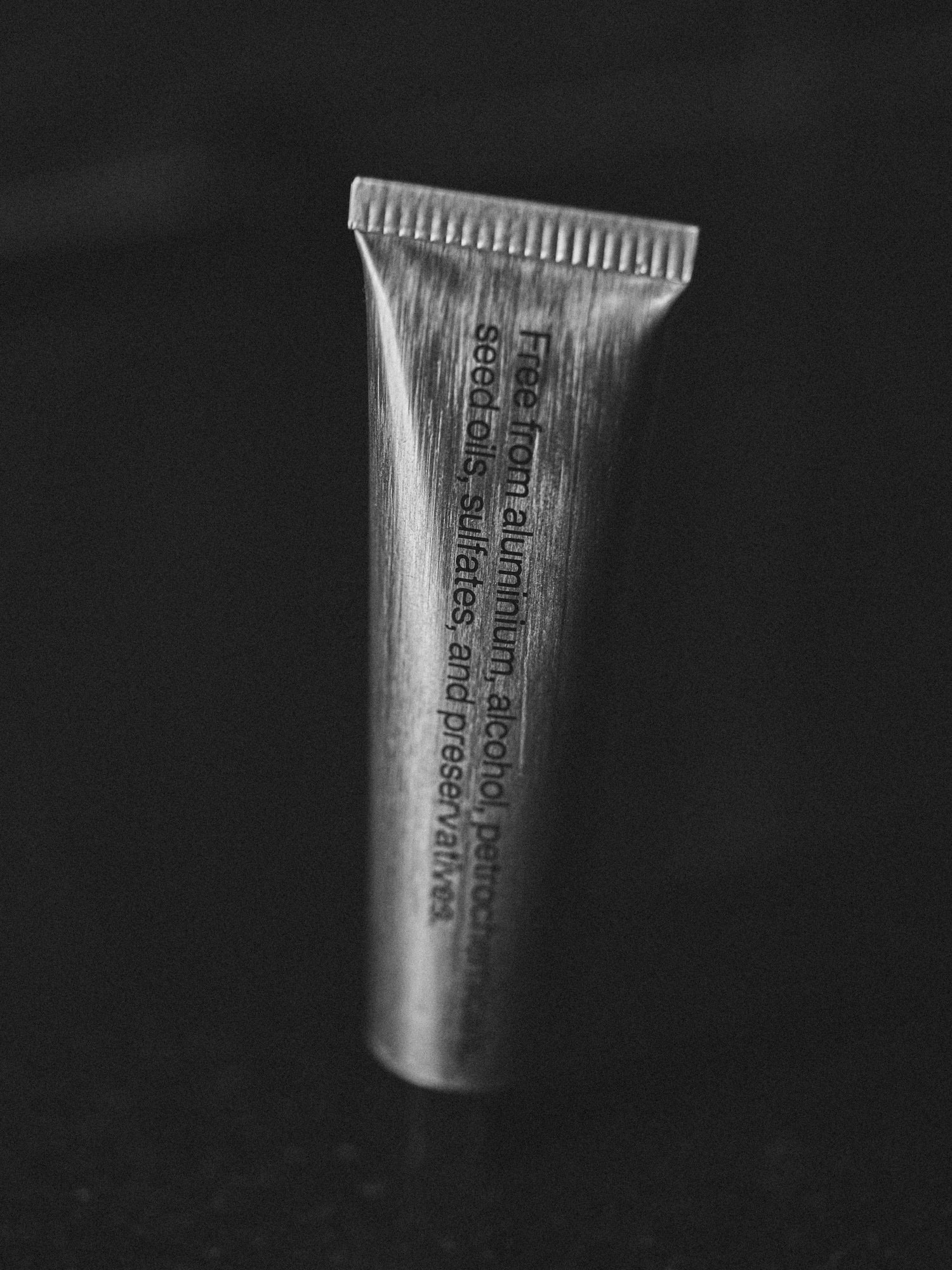
A big part of the ethos that Joyrola is built around is that it should last and age gracefully, like a leather jacket. One of the earliest decisions was to leave the Vessel without paint or any kind of gloss coating. “Paint is so often where people fall out of love with a bottle,” Mills says. “Once it chips, it just looks tired.” Left in its natural, polished state, all the scratches that come with use only give the bottle more personality.

Marissa told us a trip to Japan reinforced the thinking. “The way everyday objects are treated there, the respect for craft and function go together. The idea that something ordinary can still be deeply intentional. That’s stayed with me.””I’m always thinking about whether something will still feel right in five or ten years.”

These ideas came through her understanding of the Japanese concept of wabi-sabi, a philosophy rooted in Zen Buddhism built around seven principles: Kanso (simplicity), Fukinsei (asymmetry), Shibui (beauty in the understated), Shizen (naturalness), Yugen (subtle grace), Datsuzoku (freedom from habit), and Seijaku (tranquility). It is a way of seeing that finds beauty in imperfection and incompleteness. Perhaps its most vivid expression is in kintsugi, the practice of mending broken objects with lacquer dusted in gold, dating to the 15th century, where the repair itself becomes the most beautiful part of the object.

In a culture of replacement, of upgrading before anything is worn out, the suggestion that an object can become more itself through use is one Joyrolla is pulling off in style.

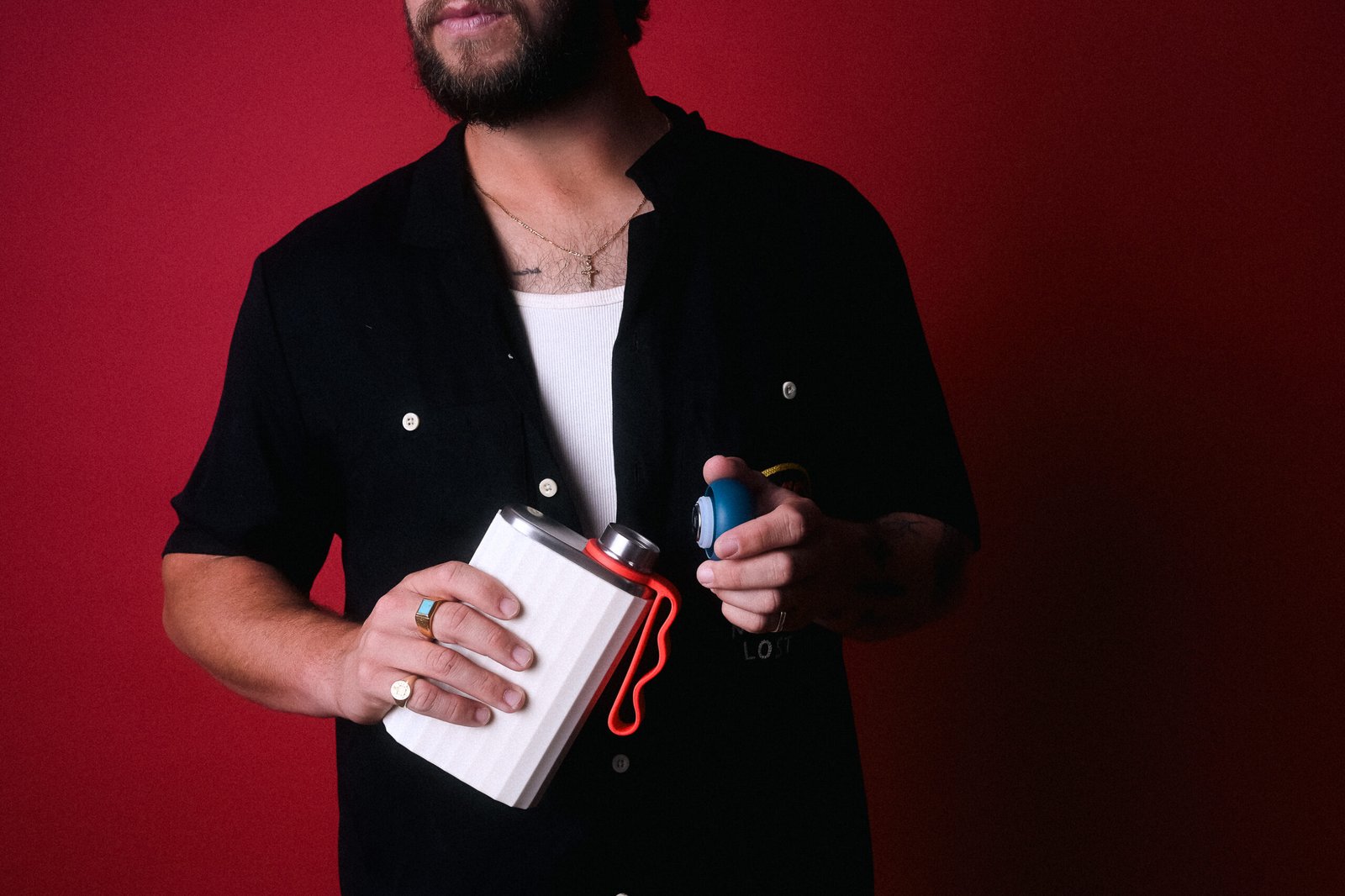
So when it comes to new editions, Mills is insistent that the things Joyrolla makes should be “updatable, repairable, adaptable, not just replaced when something goes wrong.” The sleeves and straps aren’t included automatically, which is a choice she feels strongly about. “People can add only what they actually want, rather than having things bundled that end up unused and would ultimately be thrown out.” The sleeve adds light insulation and deals with condensation; the strap makes it easier to carry.

A double-walled insulated version is currently in development, same design, for those who need their drinks seriously cold or seriously hot. A tote is also in the works, probably later this year.

I’m a sucker for a pump bottle, but the Vessel has ruined that legacy for me. And frankly, I’m not mad about it. With a drink bottle this thoughtful, this sleek, that brings me this much attention… there’s no going back now.

Your next Read

In the early 2000s, the Smart ForTwo was more than just a car—it became a …

With little seat time thus far, but a vague idea of what I’m dealing with, …

A Journey Across Continents Dylan Best’s path into the world of fashion was anything but …

They speak to the soul, offering a connection to a culture that thrives on the …