But, here’s the thing. The Junior name isn’t a marketing-department neologism. It’s actually steeped in history, and that history is anything but boring.
In 1966, Alfa took its Giulia Sprint GT, removed some of the expensive bits, fitted a smaller 1.3-litre engine, lowered the price, and called it the GT 1300 Junior. It was meant to entice younger drivers into Alfa Romeo ownership without diluting the brand’s character. It was a hit, and Alfa would go on to sell nearly 100,000 of them. The name reappeared on a string of subsequent models like the Spider 1300/1600 Junior, the rare and exquisite Zagato Junior coupes, before being mothballed for decades, dragged out occasionally for trim packages on cars that didn’t quite deserve it…like the recent Guilia GT Junior.
Reviving the Junior badge for what is, on paper, a Jeep Avenger in a tailored suit feels misguided. But, Alfa appears to have remembered what the moniker means. What it originally set out to achieve.
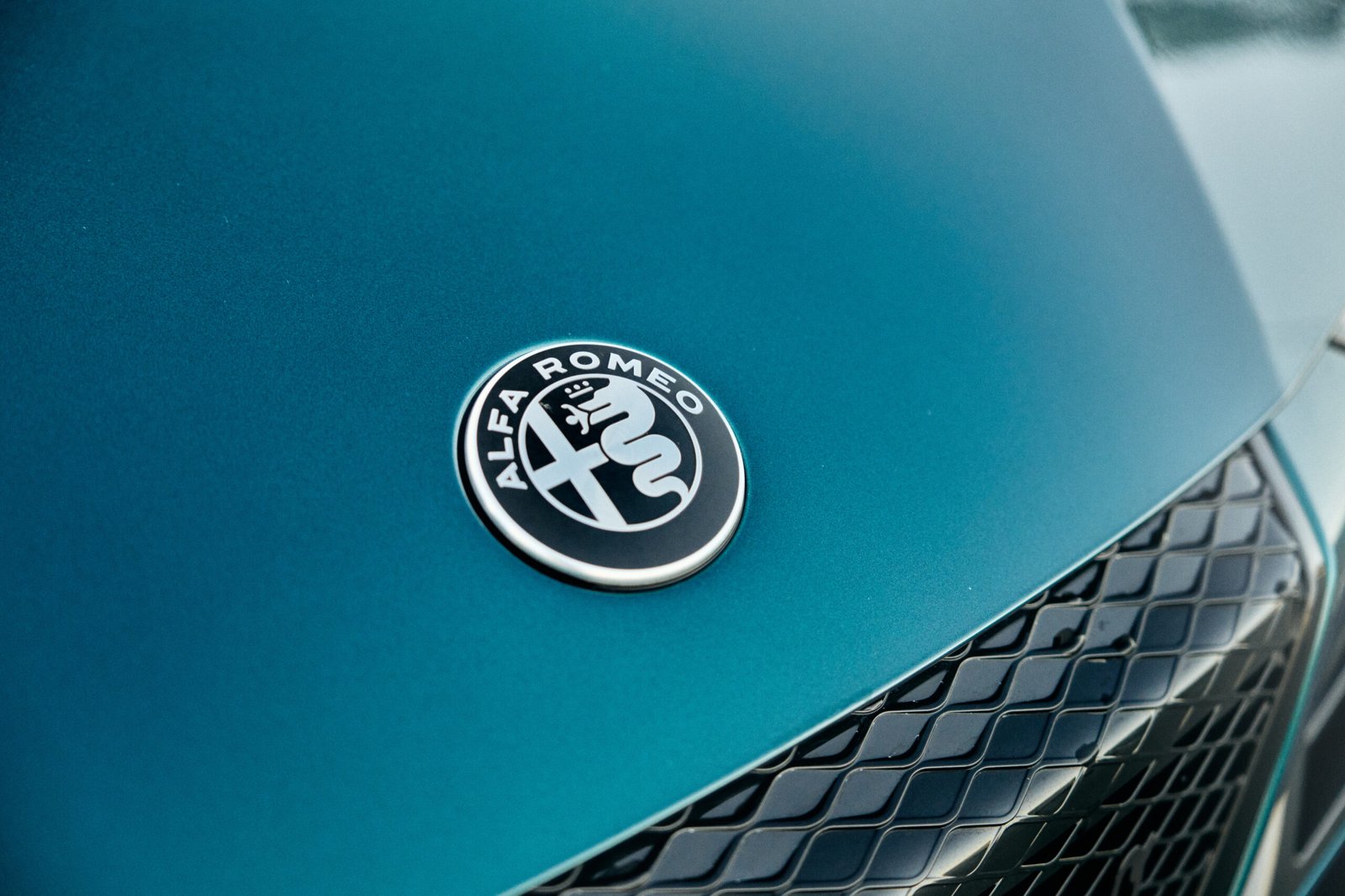
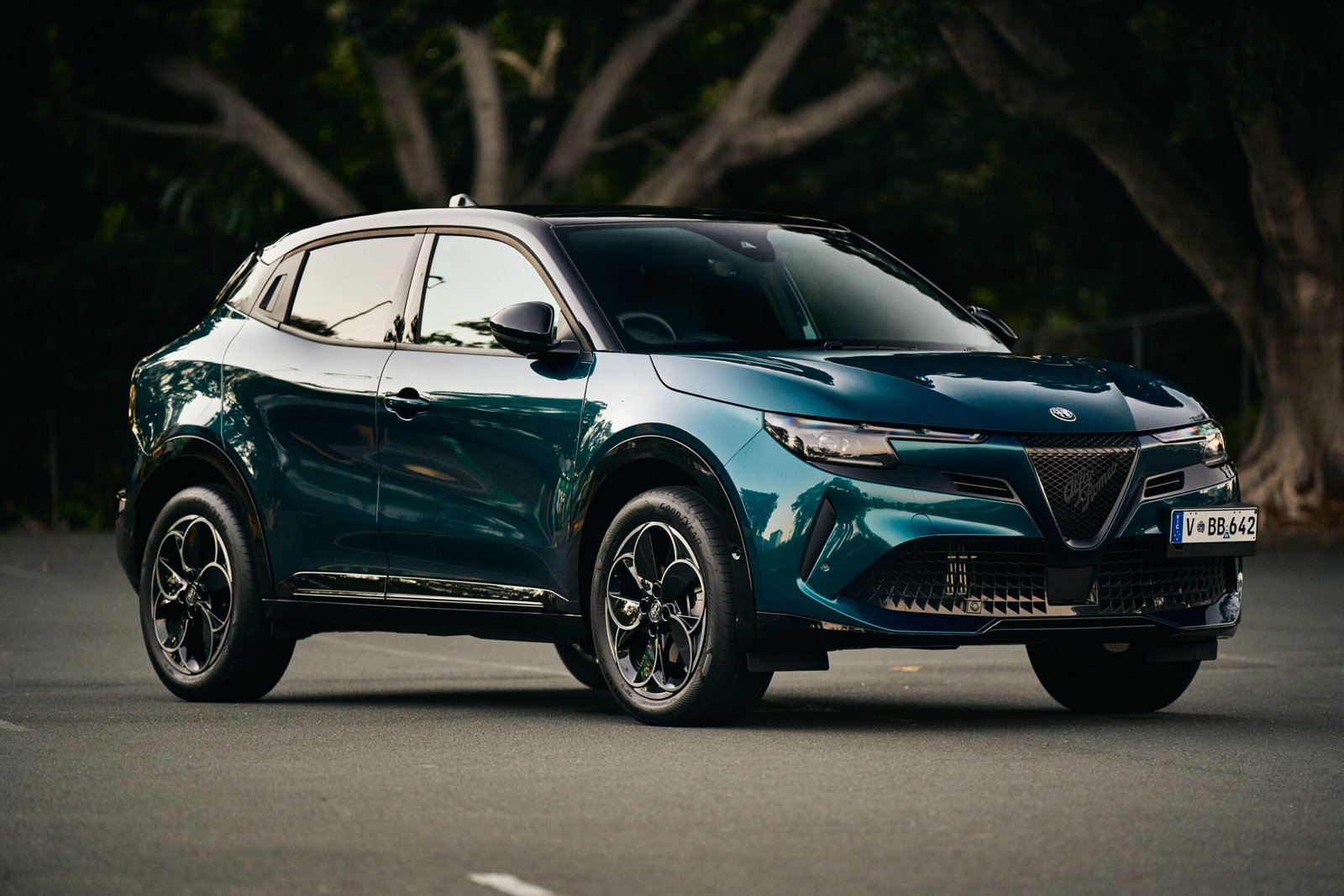
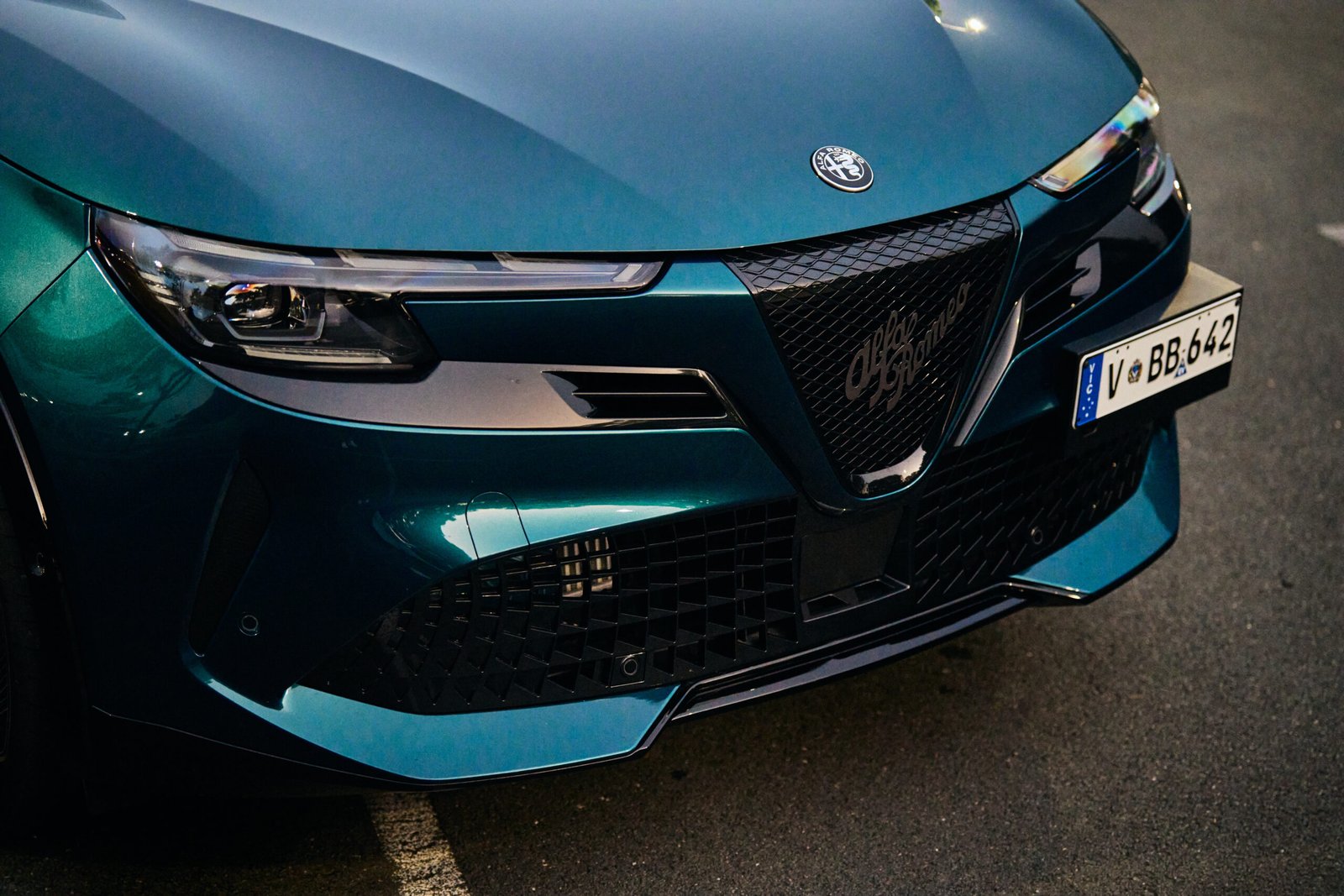
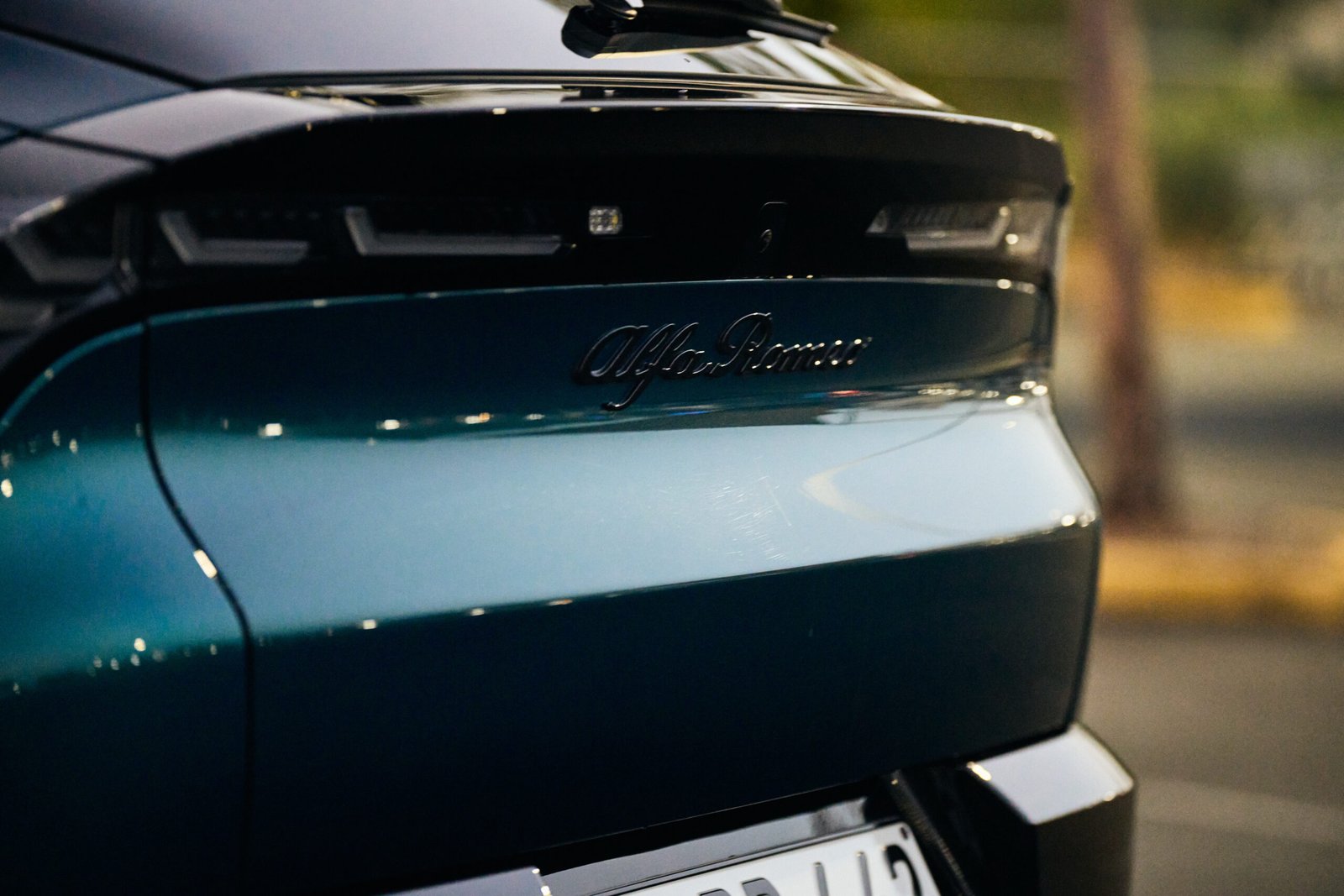
The Junior is beautiful, from every angle. Most compact SUVs are styled to blend in, so as to not scare a new breed of buyer who no longer views their vehicle as a form of expression. It’s styled the way Italian cars used to be, with look-at-me flair and a brazen willingness to break a few rules. The scudetto shield grille is there, of course, and the trilobo three-element nose treatment is intact. The coda tronca rear, which is Alfa’s name for the cut-off Kammback tail, gives the car a stance disproportionate to its 4.17-metre length. It’s shorter than a Toyota Yaris Cross, but it looks far larger, and is considerably prettier.
There are nods to a younger buyer that the Quadrifoglio purists might not approve of. The cursive ‘Alfa Romeo’ script that runs the length of the centre grille is a bit naff, for starters, but the rest of the Junior is so unmistakably Alfa that one can overlook such details. The original Junior ruffled feathers, too, so perhaps that’s the point.
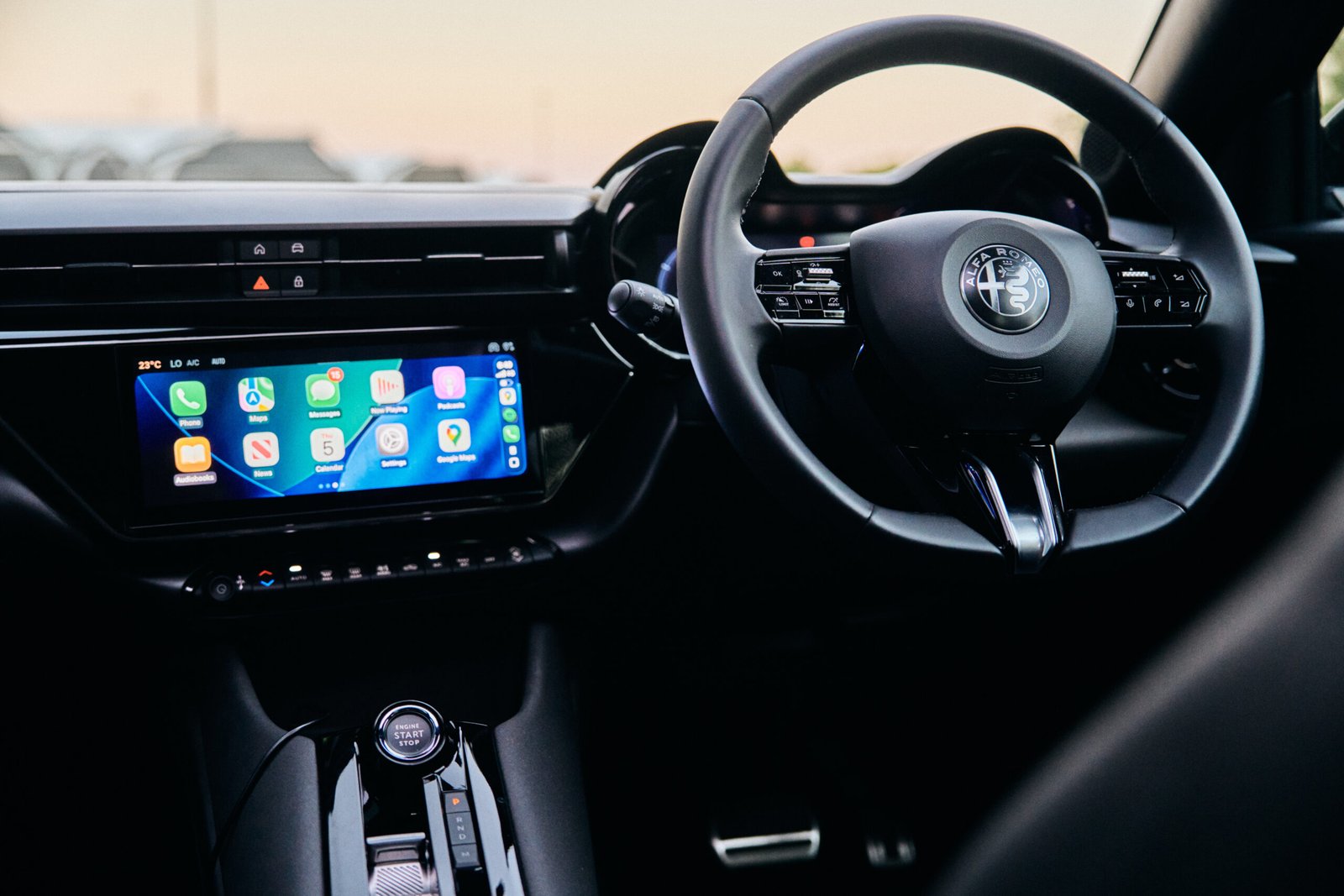
Inside, there are indications the sub-$50k model was built to a budget. There are more hard plastics than you’ll find in the Lexus LBX and fewer soft-touch surfaces than you’d find in an Audi Q2. But Alfa has done what Alfa has always done at the affordable end, distracting with flair. The Junior I tested had a bold black and red interior that directed my attention away from the drab dash. The seats are part-leather, part-cloth, but red stitching again distracts you from the so-so material choice. The steering wheel is small. Really small. Go-kart small. It’s all you really notice once in the driver’s seat.
The Junior uses mostly tactile buttons and switches, rather than touchscreen controls, which is refreshing. And the screens, comprising a 10.25-inch instrument display and a matching, driver-angled infotainment screen, are angled inward, suggesting that this car was designed around the driver, not the passenger.
Italian interiors have always been more about mood than material, and the Junior embodies this. It feels slightly unhinged, which isn’t usually the case in an SUV.