Hannah St Hotel Finds Beauty in an Unlikely Corner of Melbourne

White

Hannah St Hotel Finds Beauty in an Unlikely Corner of Melbourne

10 August, 2026

Words by:

Justin Jackie

At Melbourne's new Hannah St Hotel, an unconventional Southbank setting proves that the most interesting places don't always need perfect surroundings.

For two months, I worked as a barista at Butler, a small cafe in Williamsburg, Brooklyn, tucked beneath the Williamsburg Bridge. Every few minutes, a train would make its way across the East River somewhere above us, accompanied by the usual soundtrack of traffic and the low rumble of a piece of infrastructure doing exactly what it was built to do. On paper, it wasn’t an especially romantic place for hospitality. There was concrete overhead, noise all around us and very little of the carefully controlled streetscape that tends to surround places trying to convince you to stay awhile. Yet I loved working there, and somehow the bridge became part of that appeal.

There’s a line in Tom Ford’s A Single Man that has stuck with me since I first heard it: “Sometimes awful things have their own kind of beauty.” An overpass is admittedly a fairly benign interpretation of awful, but I’ve always liked the sentiment. There are places where the instinct is to disguise the less conventionally beautiful parts of their surroundings, and others where those imperfections are allowed to become part of their character. Butler belonged firmly to the latter, and walking around Southbank on a recent trip to Melbourne, I found myself thinking about it again.

I was there to spend the night at Hannah St Hotel, a new hotel occupying the lower ten floors of the 65-storey Queensbridge Building, where Southbank starts to blur into South Melbourne. Kings Way sweeps past on an overpass almost immediately outside, while concrete columns, busy roads and the remnants of the area’s industrial character sit in fairly stark contrast to the increasingly polished towers around them. The Yarra and Melbourne’s Arts Precinct are a short walk in one direction, South Melbourne in the other. It’s an unusual pocket of the city, and not necessarily the kind of setting a hotel would traditionally choose to emphasise.

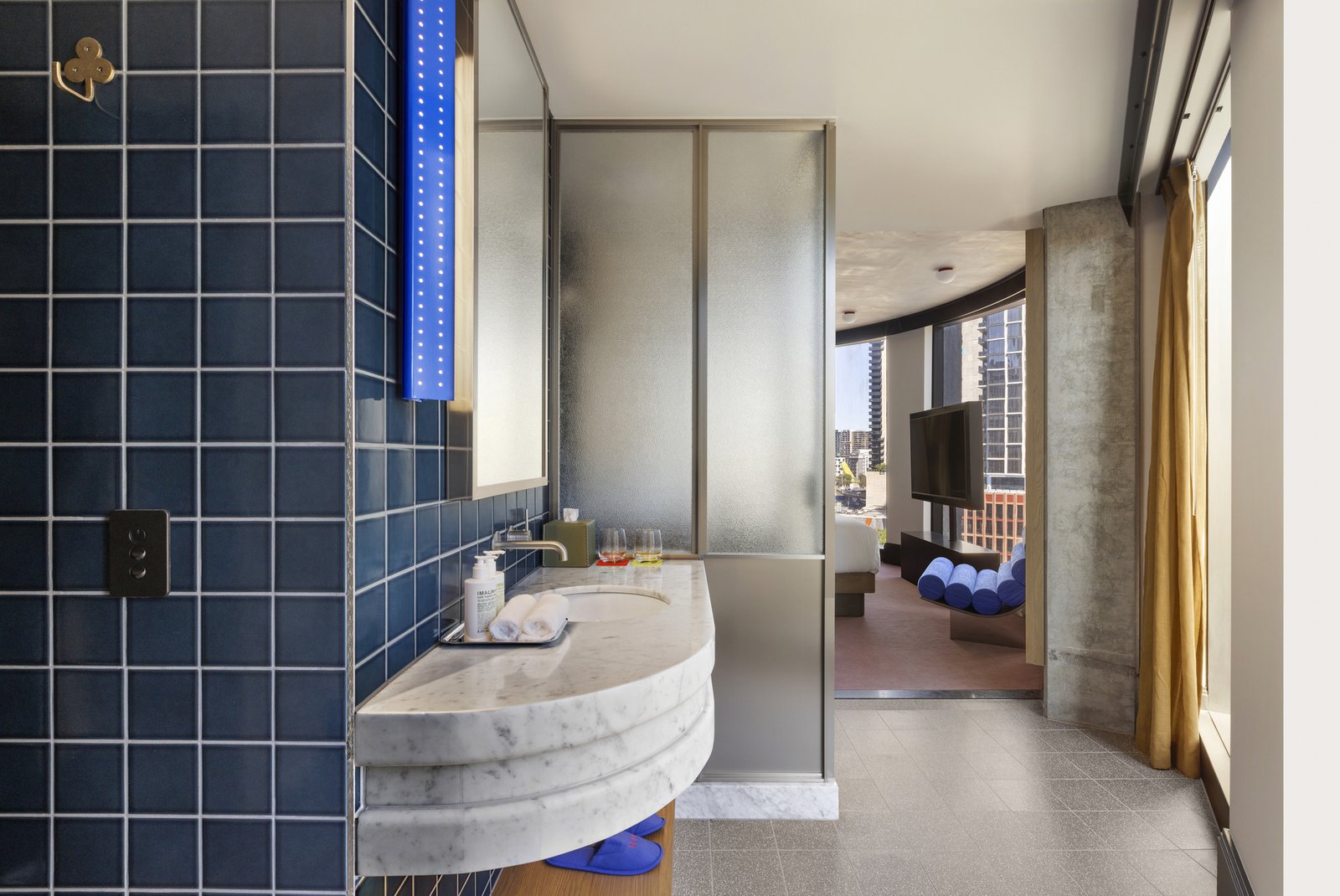
But what became interesting over the course of my stay was how little Hannah St seemed interested in escaping any of it. The building’s architects, Fraser & Partners, talk about authenticity, place and “material honesty”, and you can see that thinking before you’ve spent much time considering the architecture at all. Raw concrete remains visible alongside polished metal, timber and marble, while Flack Studio’s interiors soften the harder edges with deep colour, tactile fabrics and furniture that often feels closer to something collected for a home than specified for a hotel.
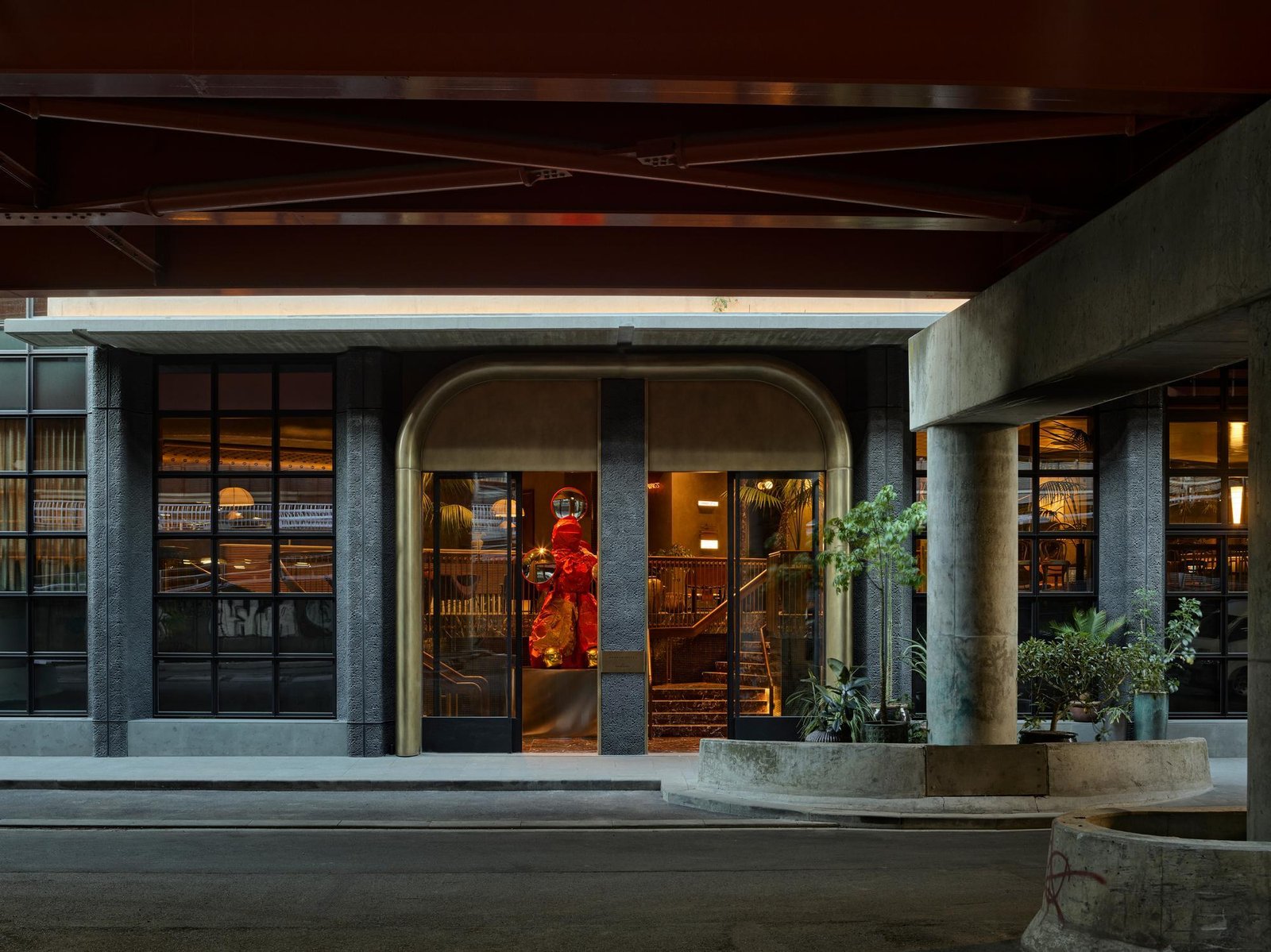
Stepping inside Hannah St, that contrast becomes more pronounced. The hotel’s interiors are the work of Melbourne-based designer David Flack and his practice, Flack Studio. Almost everything was designed specifically for the project, right down to the lighting and many of the smaller pieces scattered through the common areas. The result is expressive without being particularly showy, and intimate in a way that feels at odds with the scale of the 65-storey building above it.

That intimacy carries through to the reception itself. Hotel check-ins can be strangely awkward interactions. There is often a well-rehearsed exchange in which one person performs hospitality while the other performs being a hotel guest, before both are eventually released from the conversation with a room key. Hannah St was different. The woman who checked me in was warm and professional, but our conversation quickly became far more organic. At one point she pulled out her iPhone and started showing me her favourite places to eat and drink nearby, explaining why she liked each one rather than simply reciting the hotel’s recommendations.

It’s a small distinction, but one I kept thinking about during the stay. Hannah St talks a lot about wanting to connect guests with Melbourne rather than simply provide somewhere to sleep in it, and this was perhaps the most convincing expression of that idea I encountered. There was no grand gesture involved, just someone who seemed genuinely enthusiastic about the neighbourhood and wanted me to enjoy it too.

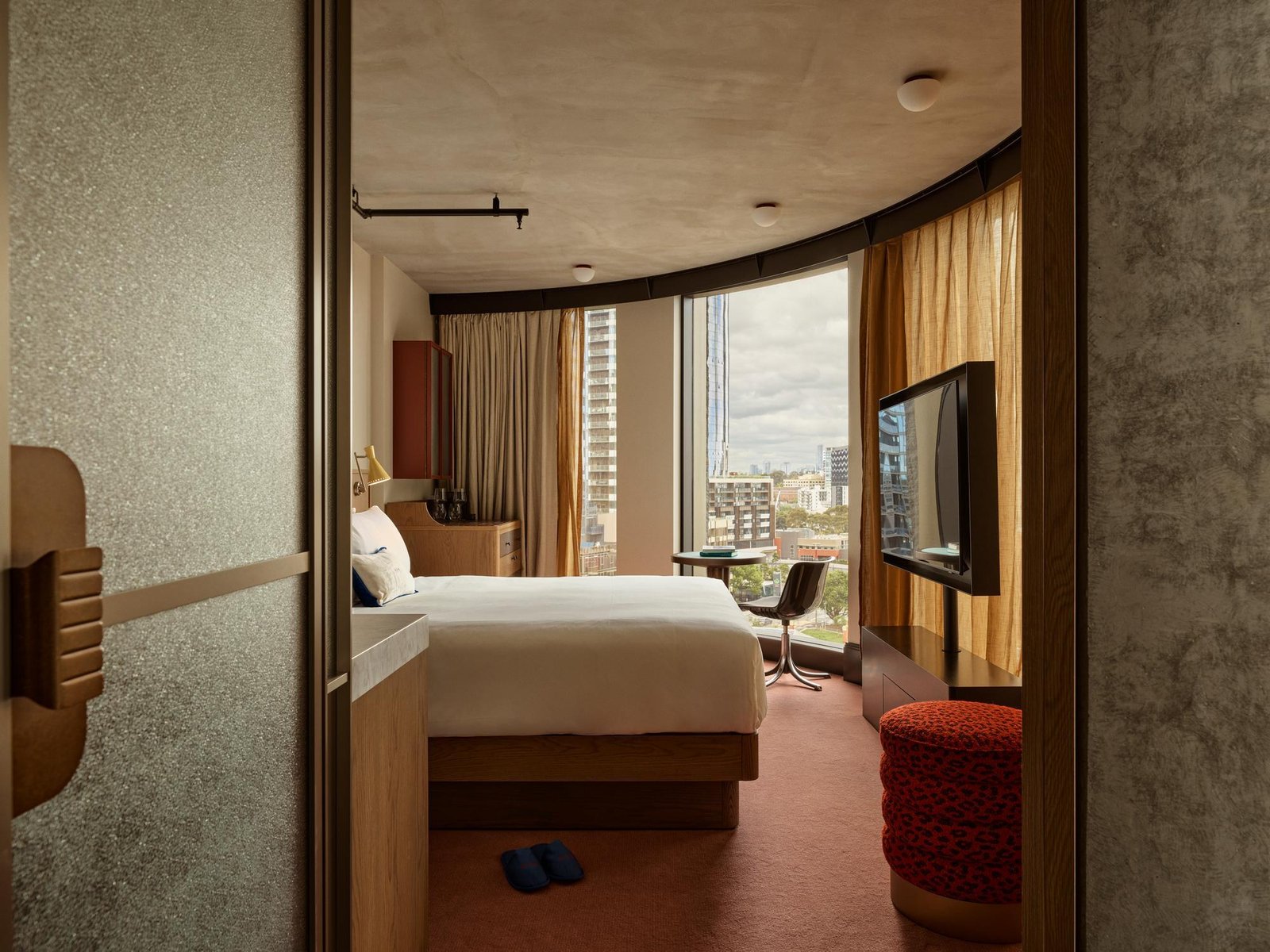
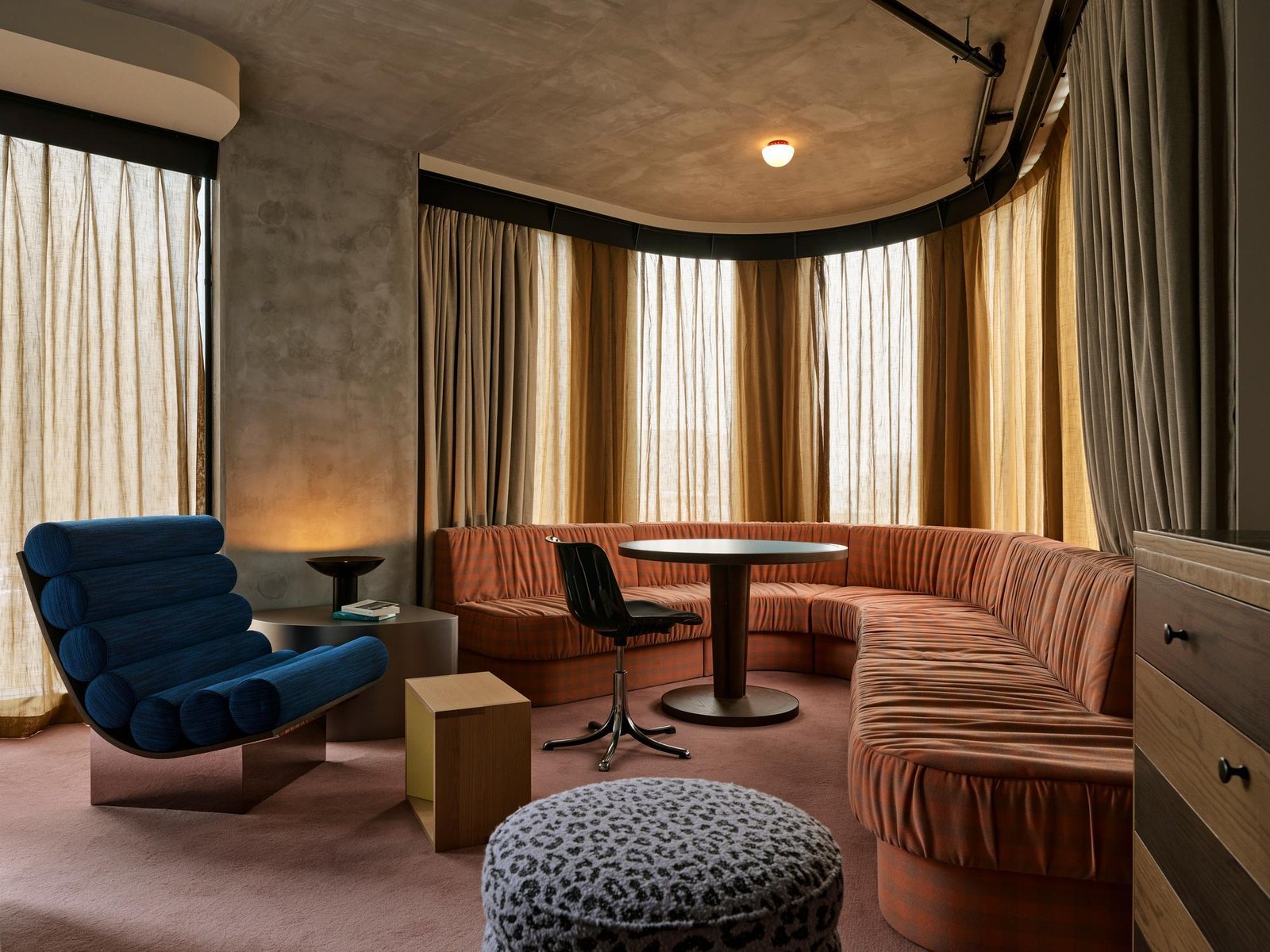
Upstairs, the same balance between hard and soft continues, although in a more restrained way. Hannah St has 188 rooms and suites, and mine felt considered without trying particularly hard to remind me that I was staying in a design hotel. Blush-pink carpet runs underfoot, darker timber and metalwork give the room some weight, and the bathroom shifts into deep navy and terrazzo. Polished stainless steel, aged brass mesh and Carrara marble appear throughout the joinery, somehow remaining cohesive despite the number of materials used.

My Skyline Corner Suite followed the curve of the building, giving the otherwise open-plan space some interesting angles and windows that looked directly across the overpass and surrounding city. A freestanding television sits within the room rather than being predictably mounted to a wall, while the shower and toilet occupy separate spaces — a small but genuinely useful detail if you’re sharing the room with someone. The bed was excellent, too, which perhaps sounds like the bare minimum for a good hotel, but remains one of the easiest things to get wrong.

Nothing feels quite as relentlessly square as a conventional hotel room, and the architecture occasionally dictates the way the space behaves rather than disappearing behind it. Those windows also bring some of the messiness of Southbank back into the room without making it feel exposed.

The corridors outside are similarly understated. They’re dark, quiet and slightly moody, with enough variation in materials, lighting and artwork to stop the walk back to your room feeling like navigating an anonymous grid. Melbourne poet and artist Jazz Money was commissioned to create a 26-line work, These Infinite Beginnings, fragments of which appear throughout the hotel. You encounter parts of it in neon, hear Money’s voice in the lifts and come across different lines as you move through the guest floors.

There is, however, one part of the location that can’t be designed away entirely. Kings Way remains close, and from my room I could hear a low level of ambient road noise from the overpass. It wasn’t enough to keep me awake, nor did it particularly bother me, but pretending the hotel is completely silent would undermine much of what I like about it. Hannah St is a hotel in the middle of a city, beside one of its major pieces of infrastructure, and occasionally it sounds like one.

For me, that felt preferable to the alternative. The room was comfortable and calm without feeling completely disconnected from what was happening outside, which seemed appropriate for a hotel so interested in being part of Melbourne rather than creating a sealed version of it.


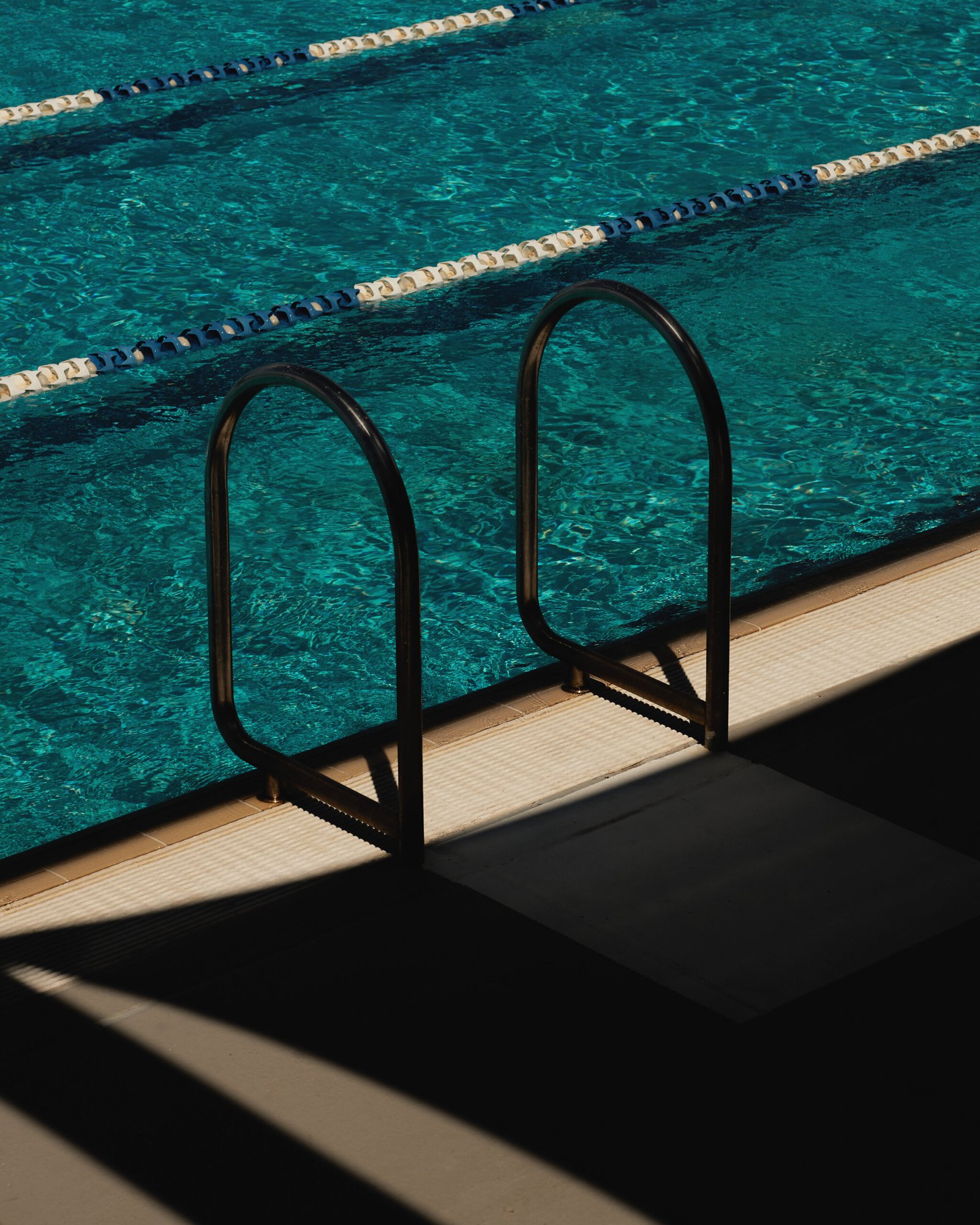
By the following morning, I had migrated upstairs to the hotel’s wellness floor, which feels more like somewhere you’d book an appointment than an amenity included with your room. There’s an indoor pool alongside a sauna and steam room, all treated with the same attention as the spaces downstairs. It avoids the familiar hotel formula of putting a treadmill, a few dumbbells and a sauna behind an unmarked door and declaring the job done.

The gym itself is genuinely useful, with enough equipment that I could have something resembling a normal workout rather than inventing one around whatever happened to be available. Hotel treadmills, however, always seem to make me feel like I land every stride like the Hulk.

There are smaller details throughout the stay that reinforce the same sense of locality. The minibar, for example, has largely been assembled from Melbourne and Victorian producers: chocolate from Atypic at South Melbourne Market, Square One coffee roasted in Cremorne, Noisy Ritual wine from Brunswick East and Bodriggy beer from Abbotsford. It’s the sort of thing that could easily become another exercise in announcing how local everything is, but here it mostly feels like someone has made an effort to stock the room with things you’d go out and find yourself.

And outside is ultimately where Hannah St’s location starts to make more sense. South Melbourne Market is within walking distance, as are the Yarra and Melbourne Arts Precinct, while the CBD sits just beyond the river. The immediate streets around the hotel can feel dominated by roads and concrete, but walk for ten minutes and you’re somewhere completely different.

Perhaps that’s the useful distinction. Hannah St isn’t in the prettiest part of Melbourne, but after staying there, I’m not convinced it would be quite as interesting if it were.

It doesn’t give you the postcard version of Melbourne when you walk out the door. There are roads to cross, concrete columns overhead and traffic moving through Kings Way, while the towers of Southbank rise around you. But South Melbourne is a short walk in one direction, the Yarra and Arts Precinct in another, and the CBD just beyond that. The hotel sits less at the centre of one neighbourhood than at the point where several versions of Melbourne meet.

I don’t think anyone is going to confuse Southbank with Williamsburg, and Hannah St is certainly a long way from the little cafe where I once made coffees beneath the Williamsburg Bridge. But both left me thinking about the same thing: hospitality doesn’t always need the perfect setting. Sometimes the places that stay with you are the ones that recognise what’s imperfect about where they are and decide to make something interesting out of it anyway.


Your next Read

Maison Margiela’s latest announcement arrived via a Dropbox link marked “Maison Margiela/Folders” last February. Inside …

MINI’s latest JCW range is as comprehensive as its ever been, since the performance-focused sub-brand …

Last weekend, I ended up at Golden Plains, a big shroomy music festival in Meredith. …

I’ll admit the cruise collection is not my natural territory. The premise can feel excessive, …