Rising Fuel Prices, Electric Cars and the New Politics of Consumption

White

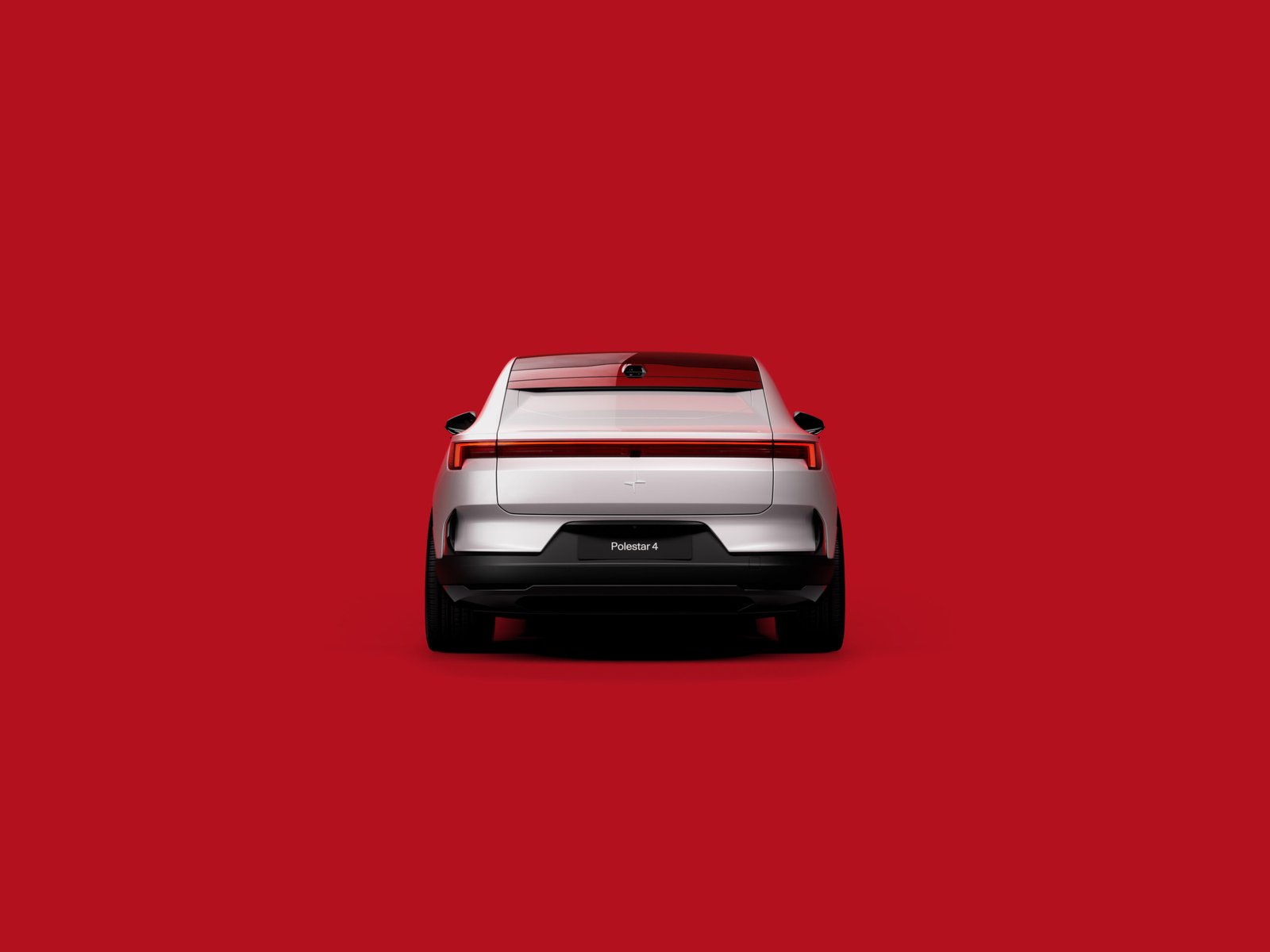
Brae Bound, In A Polestar 4, Amidst The Fuel Crisis

6 May, 2026

Words by:

Sarah Palmieri

What began as a farm-to-table dinner at one of Australia’s best restaurants opened onto a broader question of how fuel prices are reshaping the way Australians buy. As global instability flows into everyday costs, cars, fashion and even dinner choices are beginning to carry new economic and cultural weight.

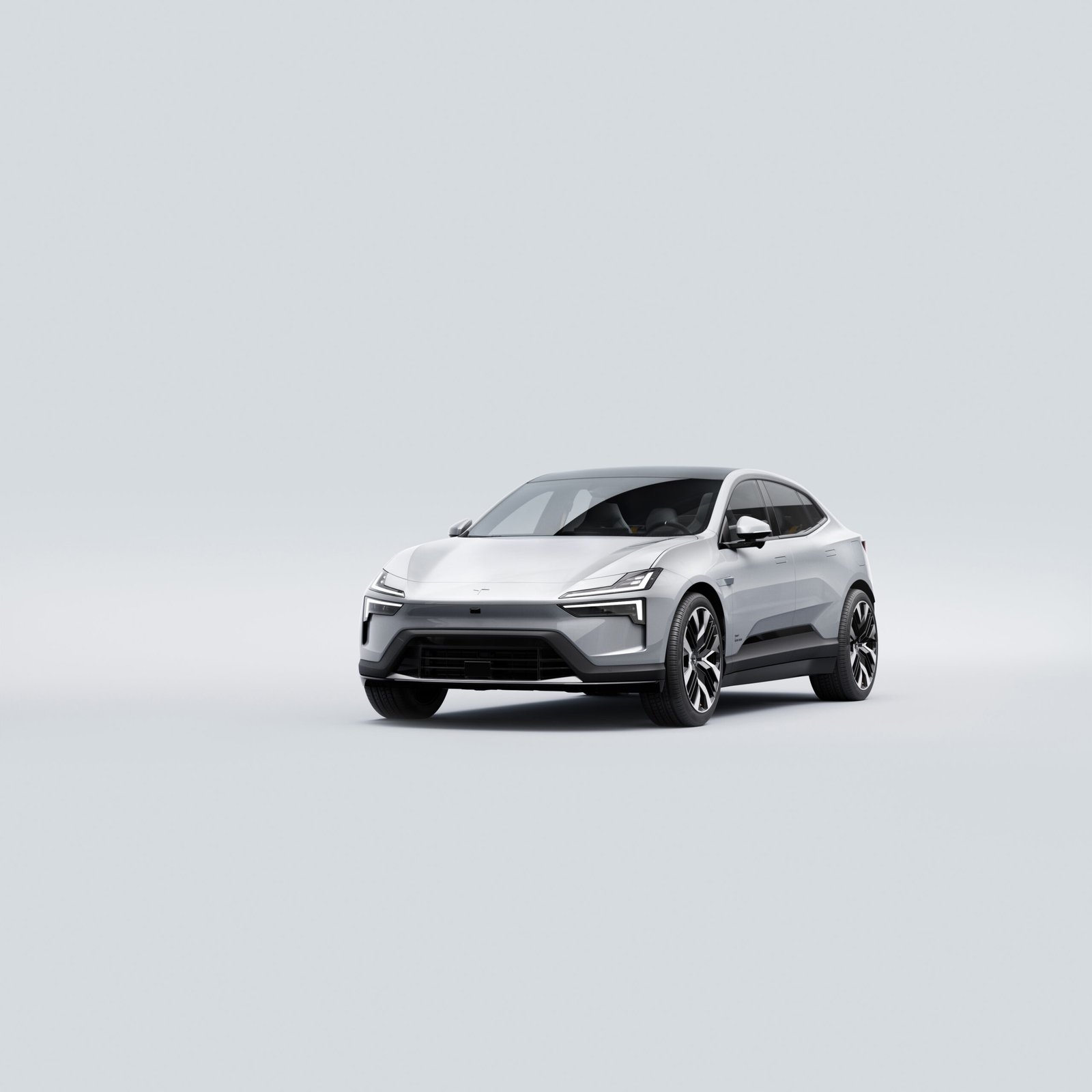
I drove a Polestar 4 recently, my first time, massage seat and heated steering wheel on full ball. I was heading out to Birregurra for dinner at Brae, where they were hosting a Melbourne Food and Wine Festival collaboration between Dan Hunter and James Henry.

Hunter’s Brae and Henry’s Le Doyenné, a Green Michelin star recipient just outside of Paris, are both farm-to-table restaurants — two Australian chefs taking a sustainable approach to fine dining. It made for a pretty special evening, capped off by a characteristically enthusiastic speech from MFWF head Pat Norse. I stayed that night in Brae’s boutique accommodation nestled in the Otway hinterland, and headed home the following morning a little differently than I’d arrived.

The reason was a conversation at dinner with Scott Maynard, the head of Polestar Australia. I told him that, honestly, cars had never really been my thing. Mechanical talk and campaigns of Man on open road just didn’t feel aimed at me, a young woman, the same way a Gucci Jackie bag did. Getting from A to B, how Moby sounds through the speakers, and whether I liked the look of it, was roughly where my involvement ended. The idea of actively choosing a car, let alone an electric one, hadn’t seriously crossed my mind.

And so, somewhere between the rock lobster and the mille-feuille, we got talking about something I hadn’t expected: how buying a car can be a cultural act, and how both politics and economics, particularly right now, can shape what you buy.

The war in Iran and the subsequent trading complications in the Strait of Hormuz are pushing petrol costs higher, especially in Australia. The political and the economic are getting harder to seperate, or perhaps ignore. Because when a conflict thousands of kilometres away determines whether you can afford your daily commute, it may be highlighting that we were already on turbulent ground. 

If you look at the global oil market before the conflict began, Australia held roughly 36 days of petrol and 32 days of diesel. The International Energy Agency recommends 90 days. We had a third of that, and I certainly wasn’t aware of it, nor could I have imagined it would matter so much.

On the production side, Australia only has two refineries in operation. One of them, the Viva Energy refinery in Geelong, is running at reduced capacity after a fire caused by a system malfunction a few weeks ago. Together they produce around 20 per cent of the nation’s fuel needs, with everything else arriving by ship from across the Asia-Pacific. Throw in the tariffs introduced by the Trump administration, already making global markets shaky, and our fuel supply was in no spot to absorb any more pressure.

Considering this, it is no coincidence that EV sales in Australia rose 40 per cent in the first quarter of 2026 compared to the same period last year. Used EV searches jumped 163 per cent in a single month, and Commonwealth Bank reported a 161 per cent lift in demand for EV finance since early March. 

As Polestar CEO Michael Lohscheller put it: “What used to be range anxiety is quickly becoming pump anxiety. People are moving away from unpredictable fuel costs and toward predictable electricity.”

Range anxiety, for the uninitiated, is the fear of your battery dying before you reach a charger — the EV version of watching your petrol gauge hit empty with no servo in sight. It has long been the biggest psychological barrier to making the switch; however, the numbers don’t really back up the concern. Most Australian drivers cover fewer than 300 kilometres a week, and most modern EVs offer more than 600 kilometres of range. Seventy-nine per cent of EV owners charge at home, and more charging infrastructure is rapidly being built to meet demand, with the Minns government announcing 1,000 new EV chargers across NSW in the next two years. Whether that will be enough to keep pace with the surge in demand is another question entirely.


But for cars, of course the fuel crisis is only one factor shaping the buying culture right now. Through a broader lens, whether it’s clothes, handbags or where we eat dinner, the things we choose to spend our money on carry meaning beyond their function. They signal values, taste, identity. The person driving a Mustang convertible is saying something very different from the person in a Nissan Skyline. The same goes for someone wearing a Rolex Daytona in comparison to a Swatch Jelly Fish. 

Tesla, the brand that delivered more electric vehicles globally than any other over the last decade, to some, no longer stands for what it once did. What was built as a sustainability statement has become synonymous with the politics of its leader. For a growing number of people, what they drive now reflects not just taste, but the ethics and allegiances they are willing to be associated with.

Polestar has slid into that gap. The Swedish brand’s latest campaign uses the lines “No Dirty Secrets. No Conquering Mars.” Not so subtle, and not so afraid to make its stance known — which, frankly, I find rather charming. It backs that up with full transparency on where its vehicles are manufactured and the environmental impact of its supply chain, targeting a 50 per cent reduction in per-vehicle greenhouse gas emissions by 2030 and climate neutrality across its value chain by 2040. At a time when people are paying closer attention to what they are buying into, a brand that puts its numbers on the table makes the ethical investment an easier one.

That matters because buying an electric car was once a decision made by people for whom the environment came first and the cost came second. But that might not be the case anymore. What was once a niche choice is now opening up to a much broader market, with the price of fuel simply highlighting that entry point. 

Eighty-two per cent of used EVs are now selling under $50,000, and 43 per cent under $30,000. Add on the Electric Car Discount, which exempts eligible EVs from fringe benefits tax and import tariffs, and Australian families are saving an additional $3,000 a year. The ethics and the economics are pointing in the same direction. And while cars are the example right now, the same logic can apply to most of what we buy — including my handbag.

Take a restaurant like Brae, built on the question of where things come from and why that matters, with much of its produce grown on its own farm. Even somewhere so rooted in self-sufficiency isn’t immune to the world’s reliance on fuel. The cost of moving food, growing it, and keeping a supply chain intact has climbed. Urea, one of the world’s most widely used fertilisers, has risen close to 50 per cent in recent months — pushing up the base cost of what it takes for farmers to grow food in the first place.

At the same time, the discretionary spending that keeps restaurants like this viable is under pressure. The same instability that makes everyday travel less predictable also shapes what ends up on a plate, and what people are willing to pay for it.

Driving back along the Great Ocean Road the following morning, Billy Idol on the stereo and rain falling through the gum trees, all these thoughts and the conversation from the night before stayed with me. I’ve always questioned my purchasing choices and how they sit alongside my own sense of ethics and the wider state of culture. It just took a dinner in the Otways, and a drive home past a BP sign showing $2.22, for that attention to extend to cars.

Your next Read

Last weekend, I ended up at Golden Plains, a big shroomy music festival in Meredith. …

Genesis has been methodically building its case, vehicle by vehicle, and the GV80 SUV was …

Mitchell’s journey into photography began somewhat serendipitously during high school. “I first used a camera …

There’s a particular kind of person who builds a motorcycle from scratch. And not the …