Dior Homme, Fall 2026 Collection

Black

Jonathan Anderson’s Dior Man Evolves. And This Time the Soft Boy Causes Trouble

9 February, 2026

Words by:

Sarah Palmieri

This season, Dior was ready to disrupt everything — including their monumental legacy.

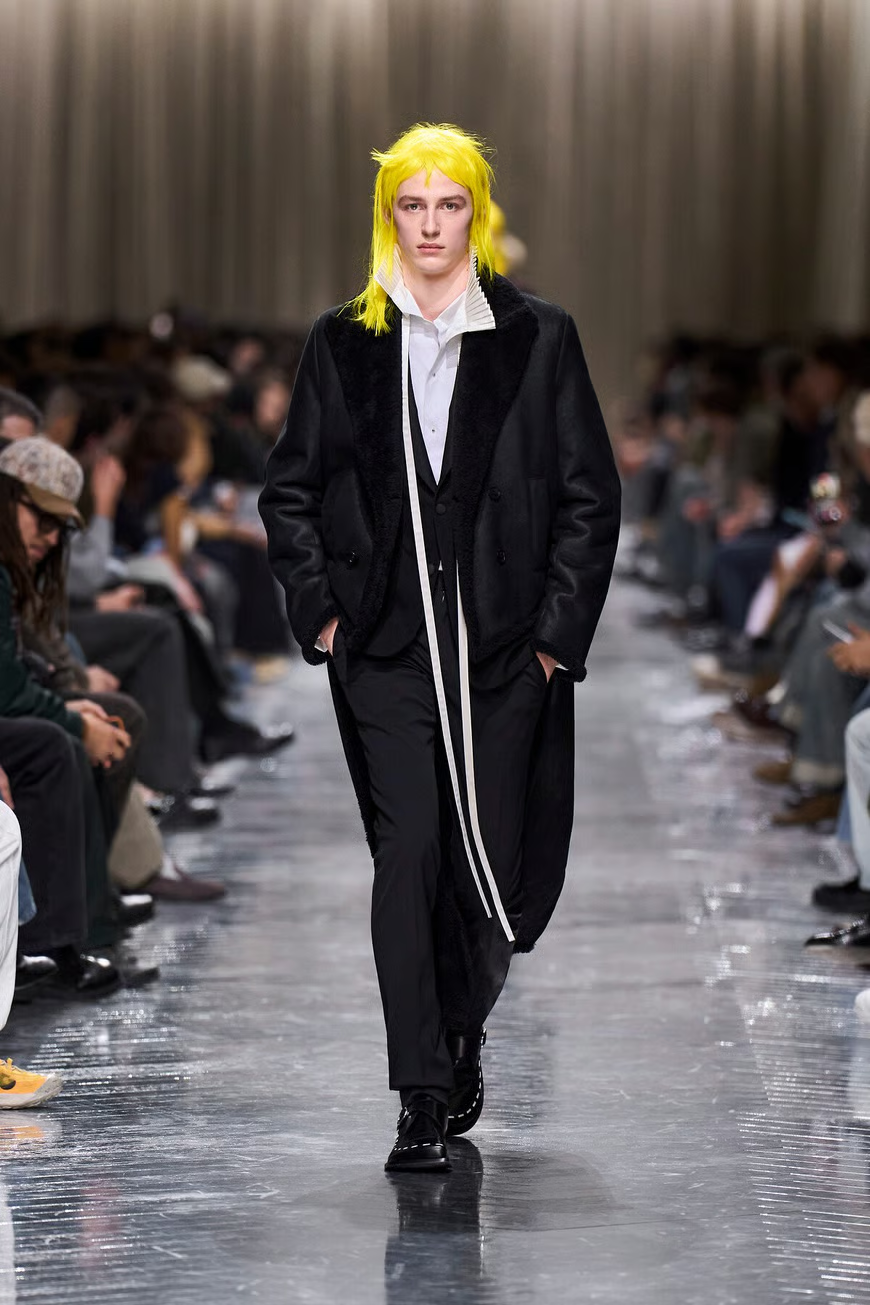
Lace-trimmed tanks shimmered beneath the vaulted ceilings of the Musée Rodin as Dior’s Fall 2026 menswear show commenced. Creative director Jonathan Anderson called this season’s Dior man Le Flâneur. He’s a “gentleman stroller,” coasting down Avenue Montaigne. But Anderson’s version felt less like Baudelaire’s idle observer and more like a young aristocrat getting up to no good.

Moments before the show, the house released a statement naming Paul Poiret as a key reference. Poiret, who has been dubbed Le Magnifique (The Magnificent) by his devotees, was fashion’s great early twentieth-century disrupter, even among peers like Gabrielle Chanel. He rejected the corset, dismantled rigid silhouettes, and infused Parisian couture with colour, theatricality and a few too many debauched affairs that I won’t go into….but suggest you read up on. That sense of rebellion ran through this Dior Fall 2026 show, titled Aristo Youth and soundtracked by New Jersey-born artists Mk.gee. The opening looks: beaded, lace-trimmed tanks in purple, spring green, and mauve, worn with white-washed low-waisted jeans and Dior belts. Shoes ranged from flat red slippers to patent leather heeled boots, alongside puff-laced high-top sneakers.

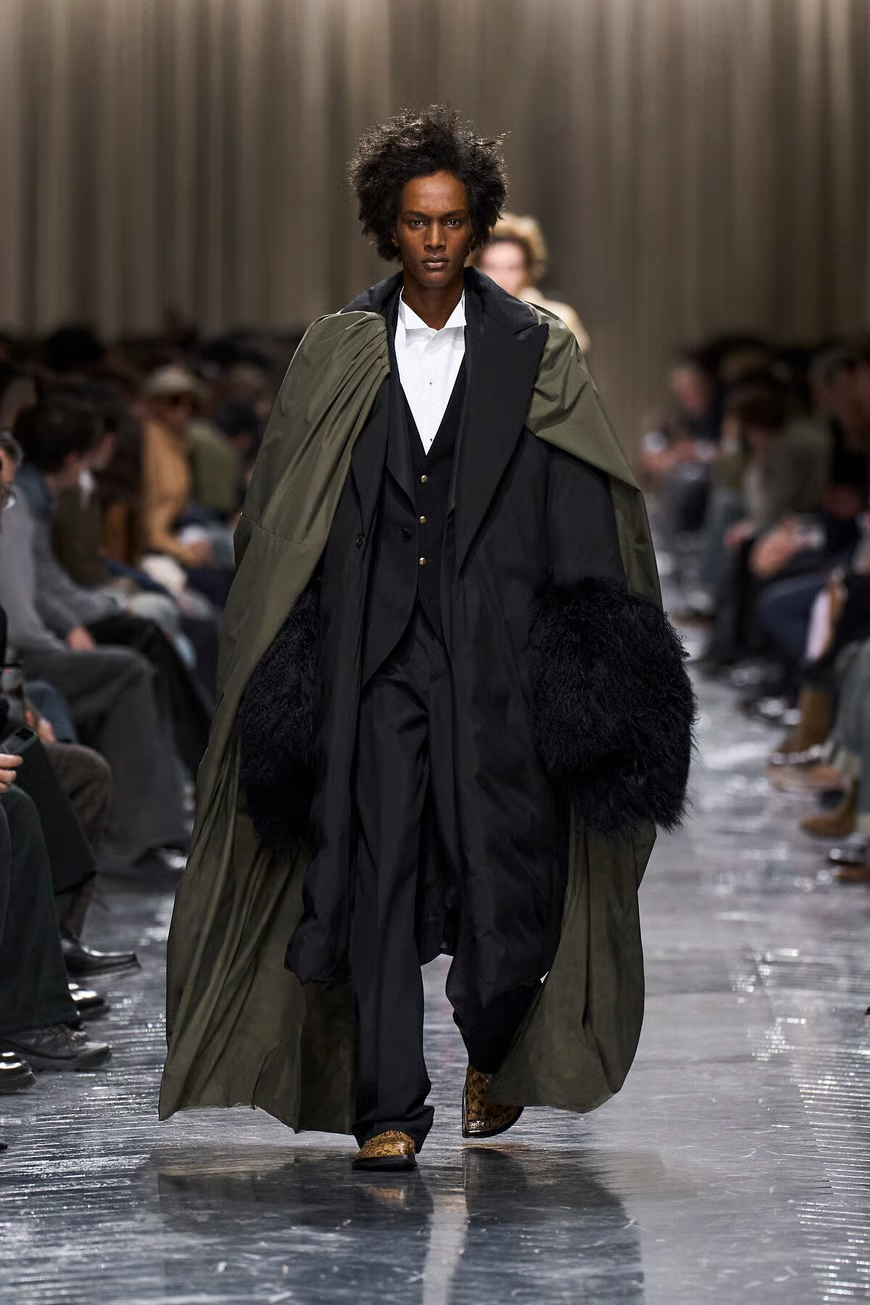
It was Anderon’s second menswear collection for Dior, one that balanced bravery and a reverence for the house’s formal codes. Bar jackets were cropped high while tailcoats skimmed lean trousers. Bags were referenced literary covers — Dracula, Les Fleurs du Mal. Bombers came wrapped like capes, and coats were structured and finished with exaggerated fur cuffs.
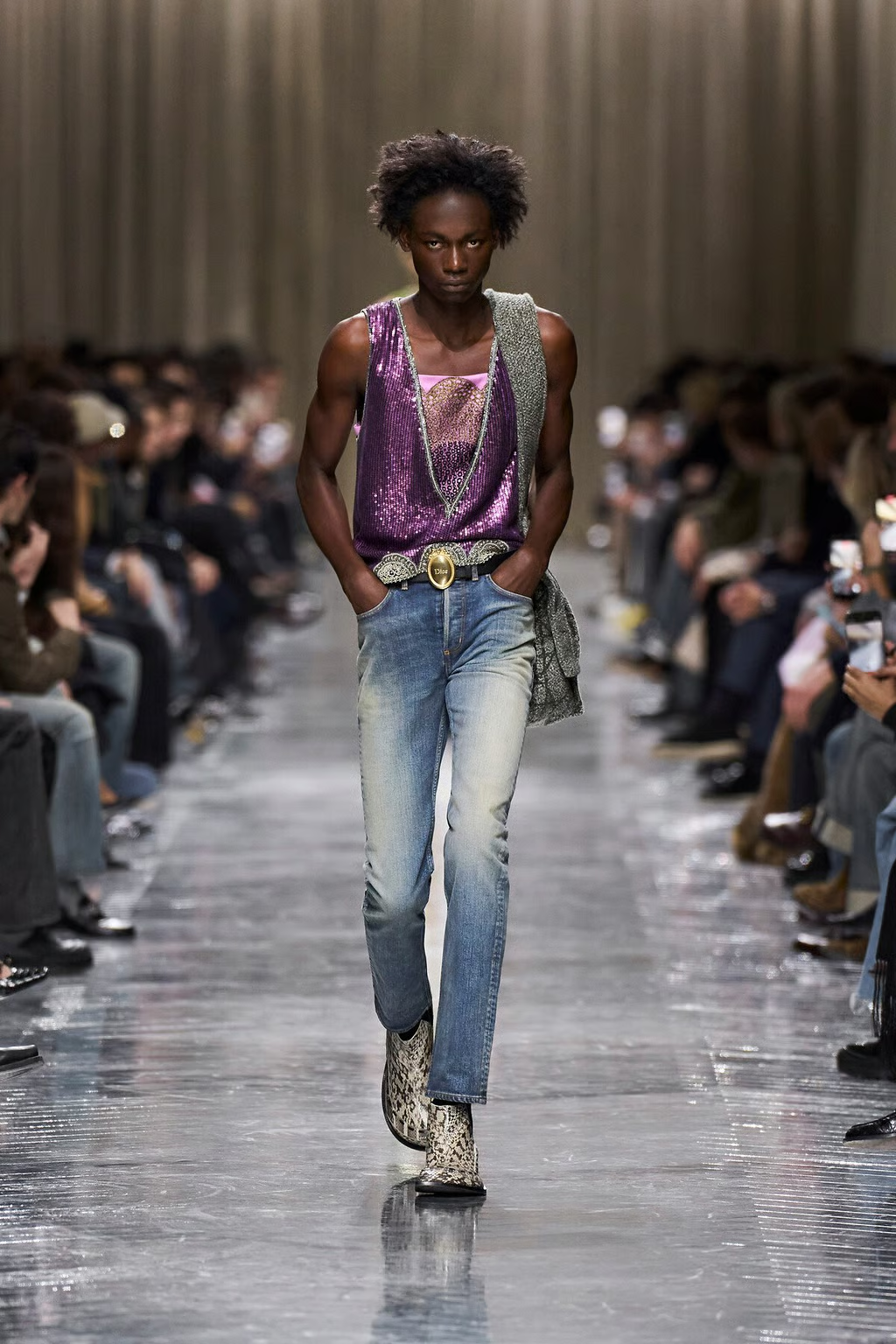
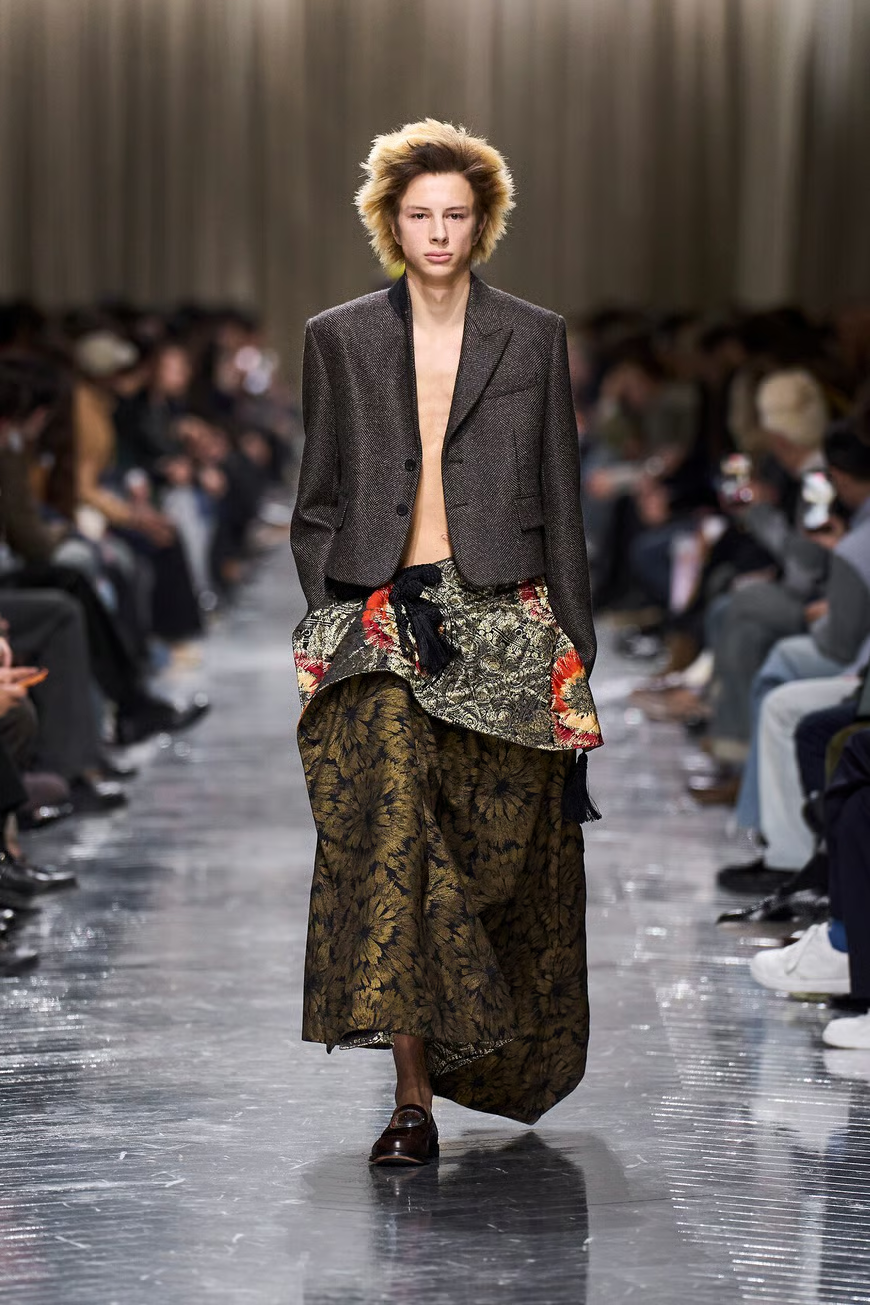
Some models wore shaggy, fluorescent Guido Palau–designed wigs, while others had their hair spiked with blonde edges. All were serving a gaunt, punk-like aesthetic….a more intimidating take on the soft boy Anderson has long adored on his runways and in films he’s dressed, like Luca Guadagnino’s Queer and Challengers. This was indie sleaze meets the Sex Pistols in sequins. Early-80s Mick Jagger. A style Dior hasn’t touched since the end of Hedi Slimane’s tenure at Dior Homme in 2006.

This runway made a statement: today’s Dior man exists outside binaries. He is not a response to the hyper-feminine Dior woman nor a rebuttal of masculinity. He is effeminate and a wild aristocrat. It’s a bold vision for a house built on old-school sophistication, but after Anderson’s decade-defining tenure at Loewe, there is no one better suited to the task. With standing ovations, celebrity devotees like Greta Lee (her Dior haute red carpets looks at the 2025 Venice biennale…the holy grail), and a third consecutive win as Designer of the Year at the British Fashion Awards, it’s clear most of us are on his side. Given the risks he’s already been able to take so early on in the big job, I’d say that faith extends to Bernard Arnault and LVMH too.


Still, Fall 2026 sharpened a question that has followed Anderson’s tenure since taking over Dior in June 2025. Does his contemporary vision come at the expense of the brand’s history? It is arguably the most important French maison, particularly in couture, symbolism, and legacy. But that relevance had slipped away in the past few years of creative direction by Kim Jones and Maria Grazia Chiuri. Maybe we have to go bold: full pigeon bag, full Maggie Smith, full Anderon, to bring back its former glory. 

Because if we look back in time, it’s the rebels who make history. Michelangelo was criticised for nudity in the Vatican. Mozart was judged for breaking the rules of classical composition. The artists we now revere were once accused of excess. At Loewe, Anderson could reinvent a dusty brand whilst flying under the radar, but at Dior, that anonymity that allows creative freedom is impossible. He now operates not just with craft but with a cultural scale greater than ever before to achieve something monumental. 

The show’s final model came in a black parker lined with cream wool, a green plaid shirt, and grey velvet sweatpants. Frankly, it was “boring”, a term Anderson doesn’t shy away from but welcomes. Because his Dior man is an interloper in a grand French court, too strange and too playful for anyone holding onto old-school tropes of luxury. That is the point. Like Poiret before him, Anderson understands the fun in fashion. One can only hope that instinct lifts the house of Dior to new heights, without dismantling what makes it brilliant.

Your next Read

There are few badges in the automotive world that hold as much emotional weight as …

From Childhood Fascination to Design Mastery Patryk Koca’s journey into design began long before his …

In a city like Melbourne, where heritage facades butt up against concrete ambition and pocket …

I’m in the Northern Territory with Hino Trucks, for the Darwin Supercars round, and with …