There is an assumption baked into modern design culture that progress must look like replacement. New platforms. New silhouettes. New interfaces. New promises. In the automotive world especially, sustainability is often framed as a race forward, a shedding of the past in favour of something cleaner, faster, more efficient. What we talk about far less is the environmental and cultural cost of churn itself. The idea that the most responsible thing a manufacturer can do might be to resist the urge to reinvent, and instead commit to making something good last longer.
The Polestar 2 has always been an interesting counterpoint to this way of thinking. Not because it announced itself loudly when it arrived, but because it never really tried to. Its shape was deliberate without being expressive, its interior calm without feeling austere, its tech quietly ambitious rather than showy. It felt resolved from the outset, which is perhaps why returning to it years later doesn’t feel like an exercise in nostalgia or compromise.
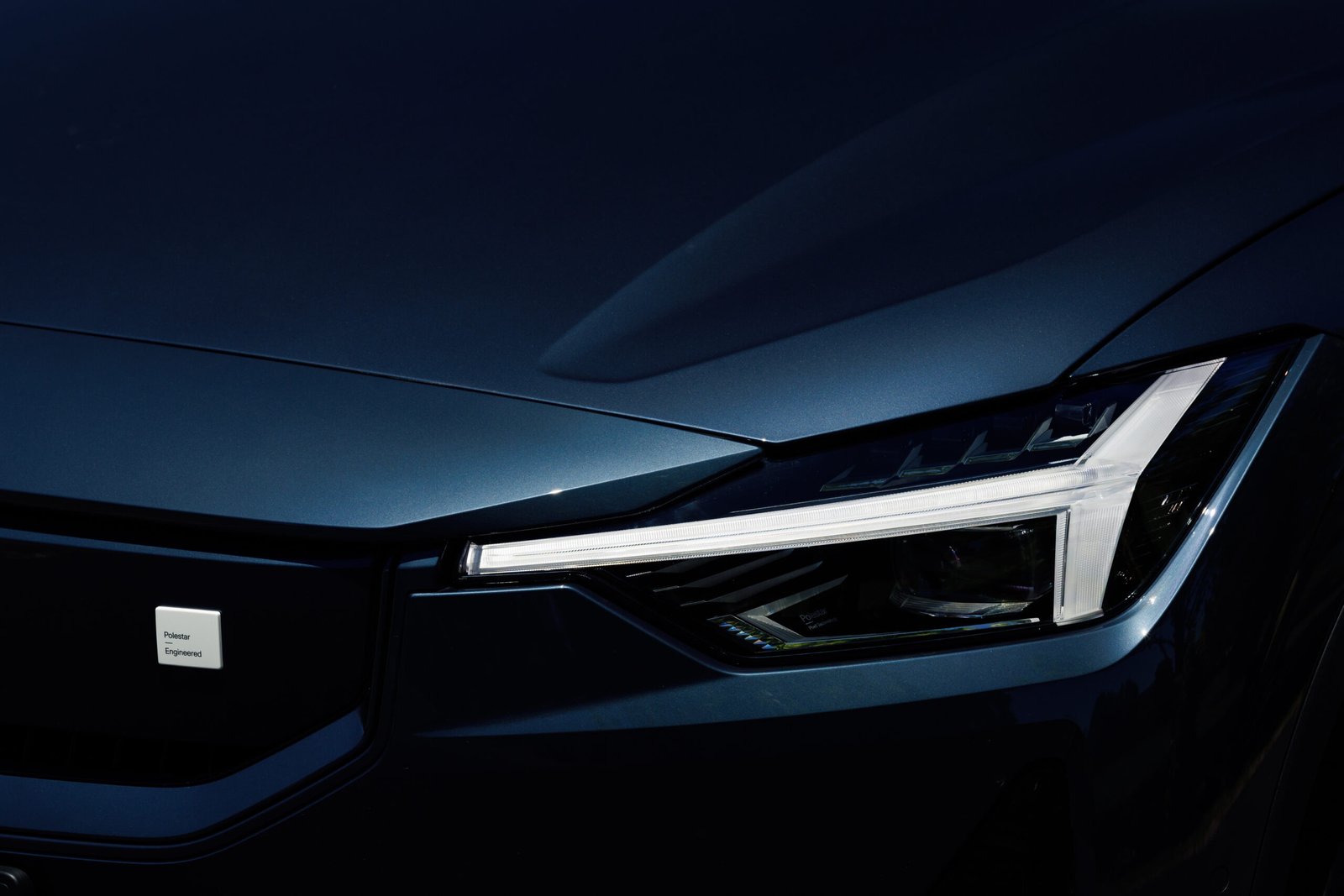
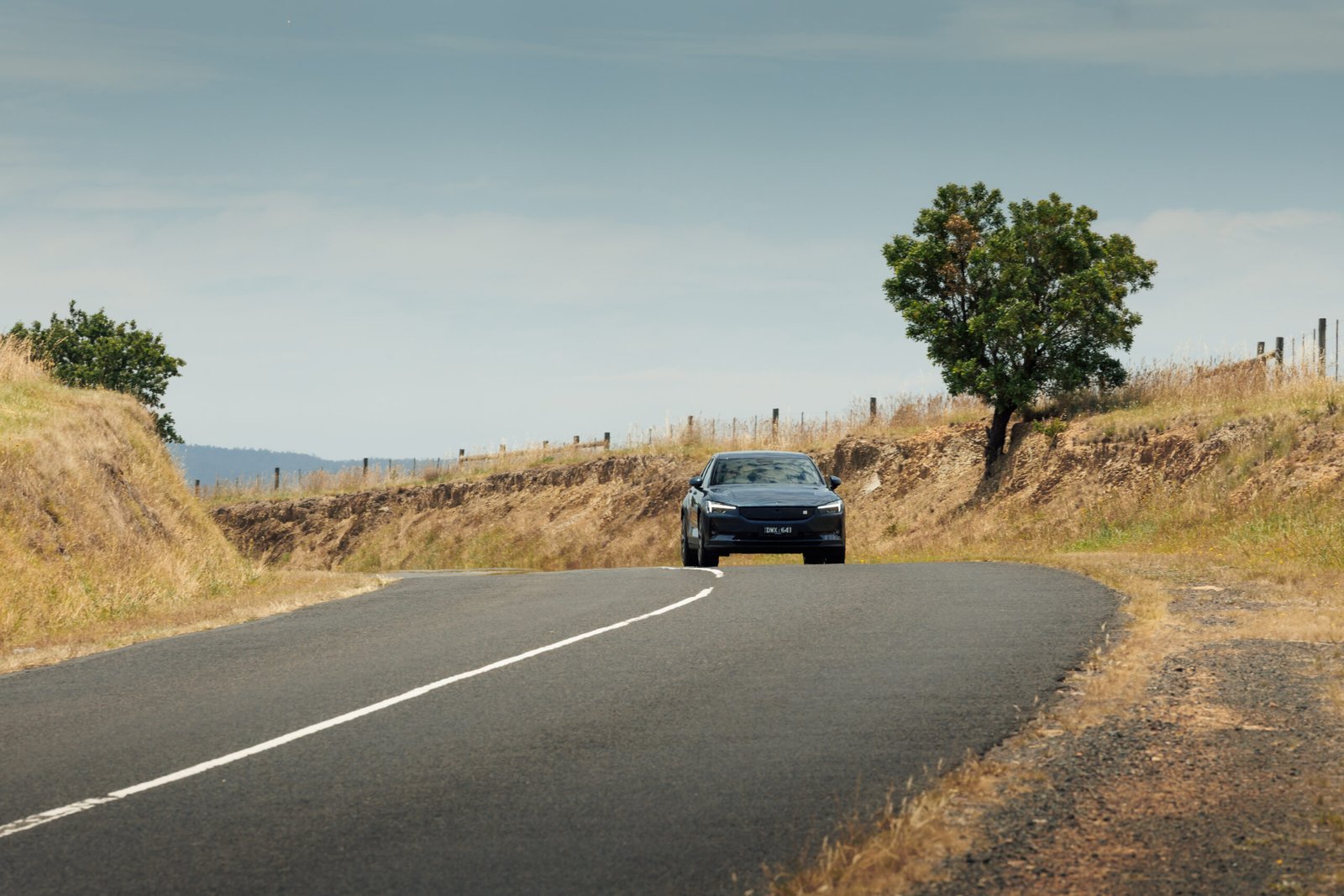
That thought surfaced almost immediately after leaving Hubert Estate and heading out toward Healesville, the familiar rhythm of Victorian country roads setting in before the car itself did. I’ve driven this route countless times in different cars, and I’ve driven the Polestar 2 before, too. That familiarity is precisely what made the experience revealing. There was no sense of relearning, no moment where the design felt like it belonged to another era. Instead, it felt like picking up a well-made object you hadn’t used in a while and realising it had quietly improved while you weren’t paying attention.
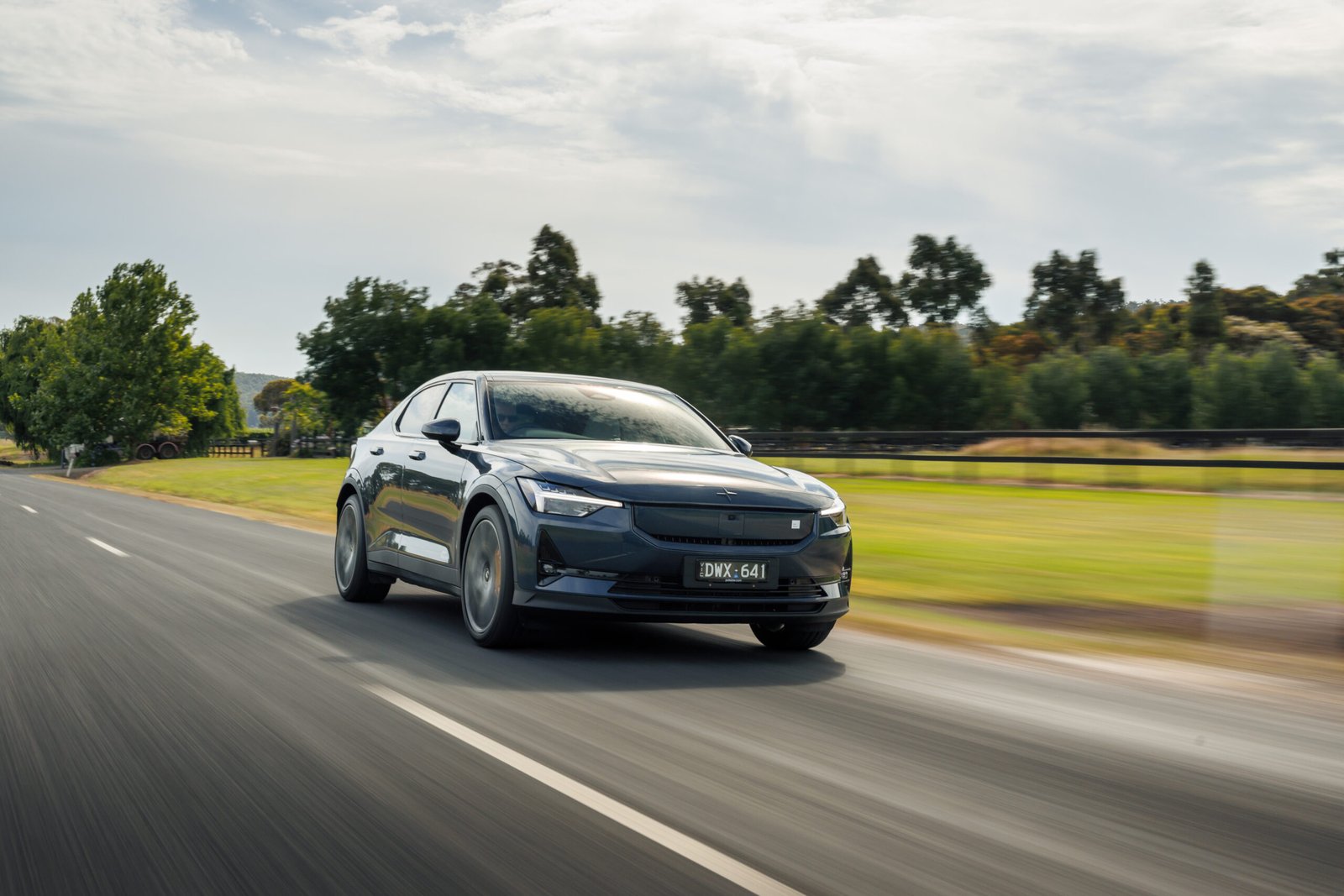
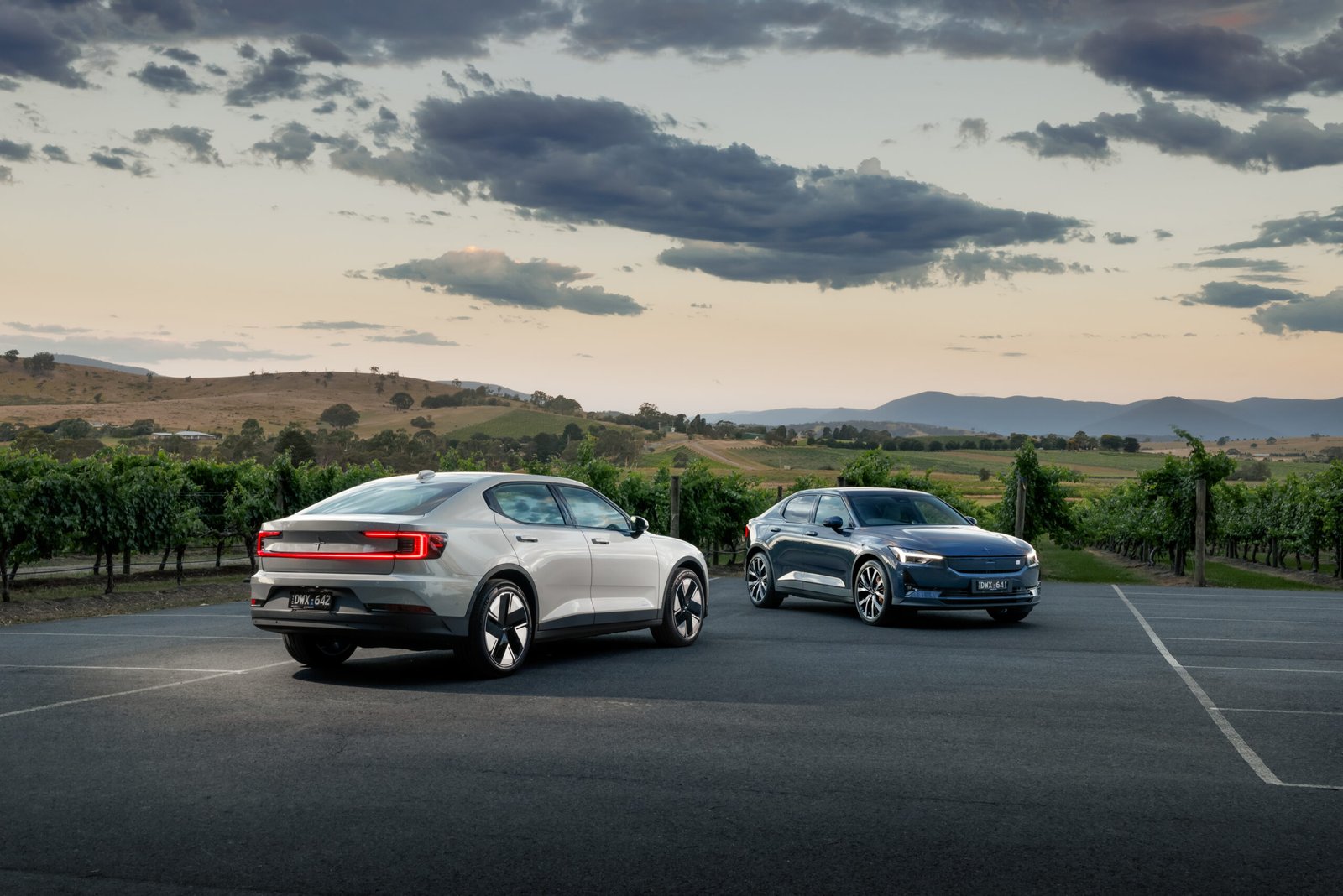
Driving the refreshed single-motor car back to back with the original highlights just how significant the move to rear wheel drive has been. On paper it’s an engineering decision. On the road, it subtly reshapes the character of the car. The steering feels lighter on its feet, the balance more intuitive, the whole experience more in line with what you might once have called a classic driver’s sedan. It asks a little less of the front axle, feels more settled mid-corner, and carries speed with a calm assurance rather than insistence. The difference is obvious without being dramatic, which feels very much in keeping with Polestar’s approach.
It also reframes the Polestar 2’s personality. Where the earlier front-driven car could occasionally feel earnest, the rear-driven version feels more relaxed in itself. There’s less sense of the car trying to demonstrate its capability and more sense of it simply getting on with the job. On these roads, that translated to an ease of progress that made the car feel smaller and more natural than its footprint suggests. It’s the sort of change that reveals itself over time rather than in a single headline moment.