There are seasons when Formula 1 feels like mathematics. And there are seasons when it feels like theatre.
With Audi and Cadillac joining the grid, a Newey-shaped Aston Martin emerging under fresh regulations, and a field of 2026 cars that look genuinely resolved again, Melbourne does not just mark the start of a championship. It feels like the start of a visual chapter.
Before the lap times settle and the midfield reshuffles itself into something predictable, something else registers.
The cars look good.
That matters more than we admit.
Formula 1 has always been engineering first. But it has also been one of the most quietly influential design platforms in modern culture. Every season, around twenty sculptural objects travel the world, broadcast into living rooms, clipped into highlight reels, reposted into mood boards. They carry colour, typography and identity at 330 kilometres per hour. They shape what speed looks like.
A livery is not decoration. It is posture. It is how a team chooses to exist in public.
For much of its early history, Formula 1 cars were painted according to nationality rather than sponsorship. Italian teams ran in Rosso Corsa. British entries wore deep green. French machines carried blue. German cars, famously, ran in bare aluminium, giving rise to the Silver Arrows. The grid was less a collection of brands and more a procession of national colours in motion.
That tradition began to shift in 1968.
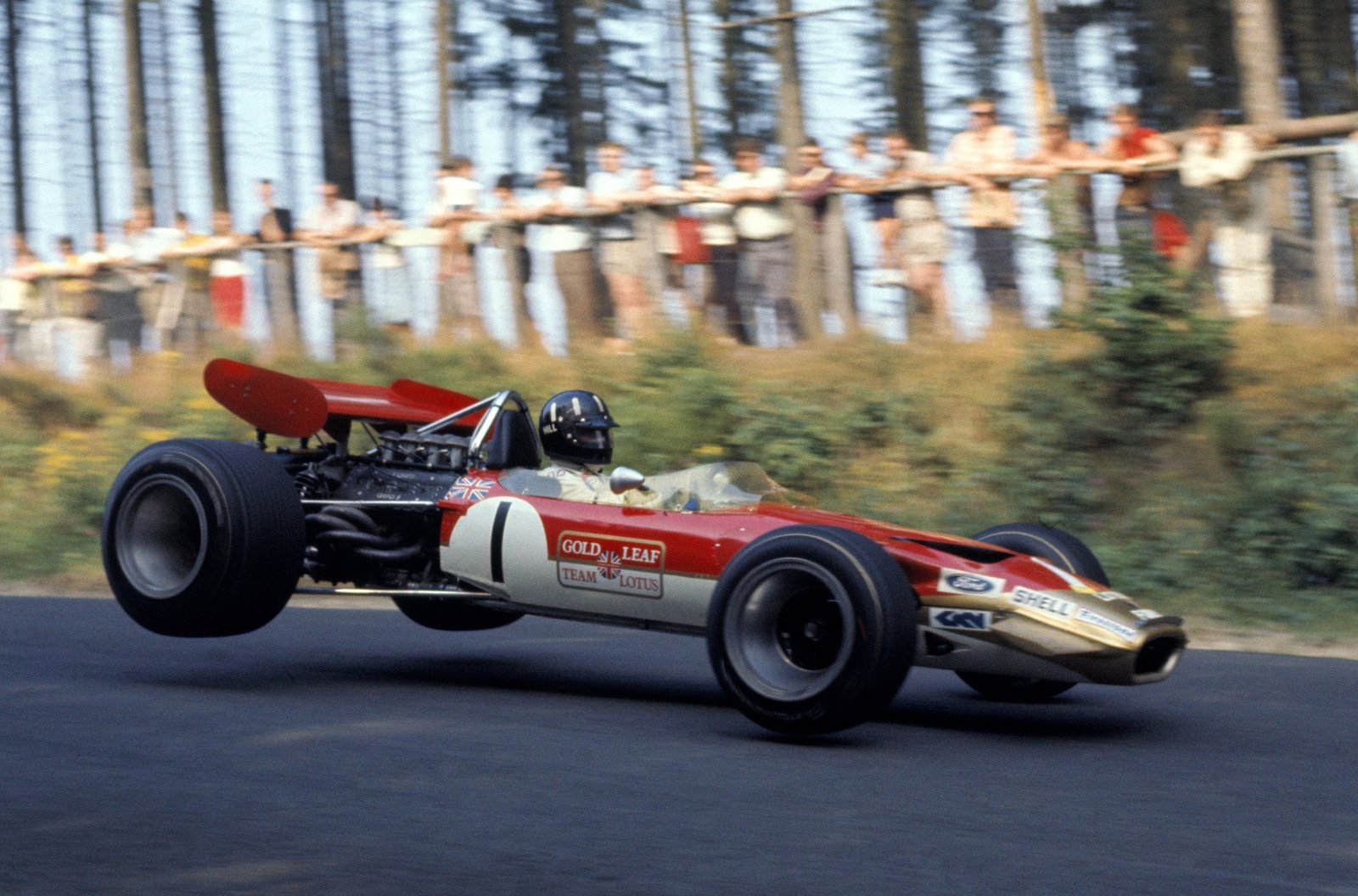
At the Spanish Grand Prix, Team Lotus arrived not in British Racing Green, but in the red, white and gold colours of Gold Leaf Tobacco. It marked the first time a major commercial sponsor dictated the appearance of a Formula 1 car. The move was met with mixed reactions. Some viewed it as the erosion of heritage. Others saw it as an inevitable evolution in a sport becoming increasingly global and commercially viable.
What followed was not merely a change in funding structure, but a transformation in visual language. Sponsorship did not simply add logos. It introduced palettes, typography and graphic hierarchy. The Formula 1 car ceased to be a national emblem and became something more complex, a moving expression of brand identity shaped as much by design as by engineering.
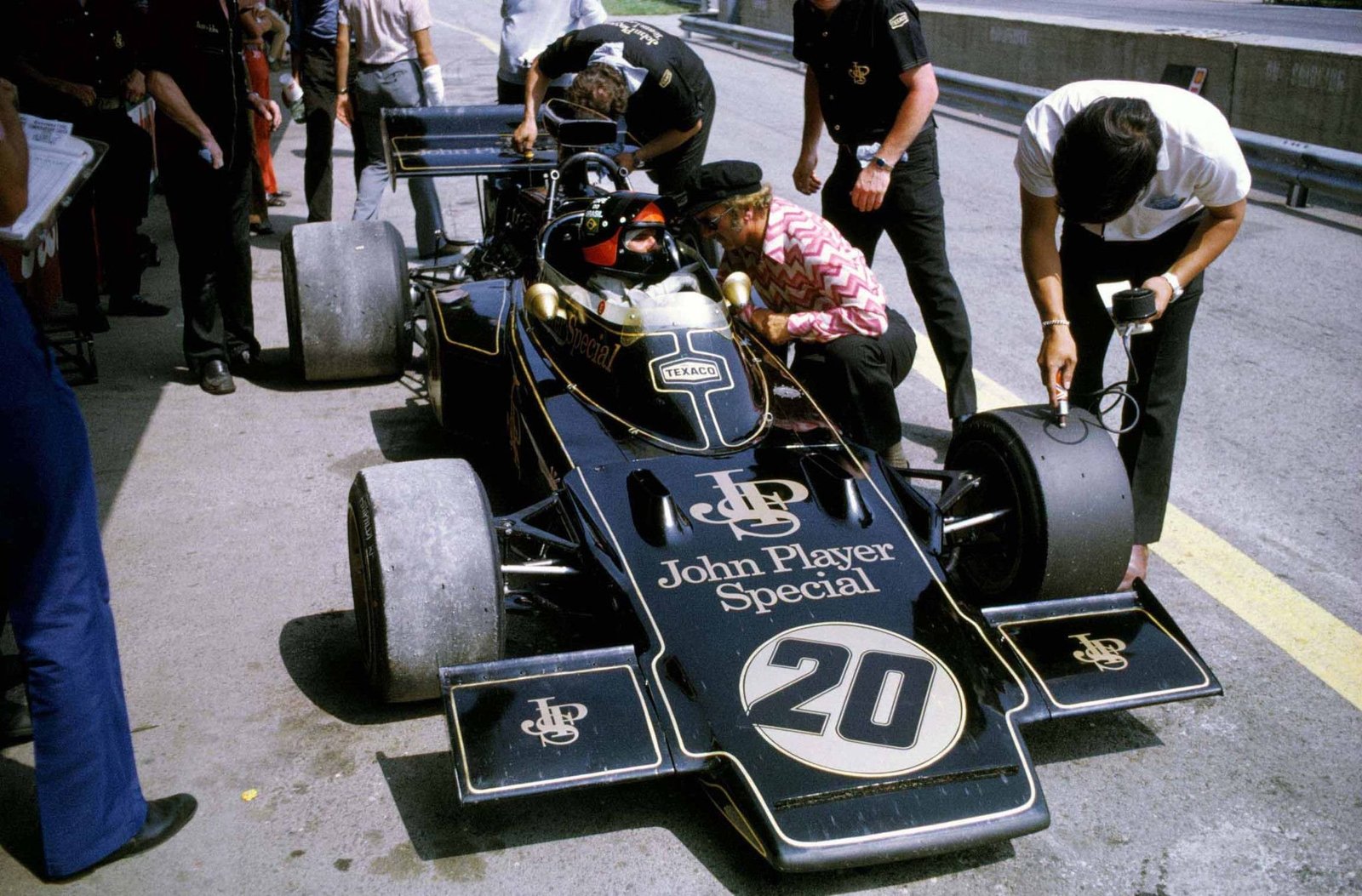
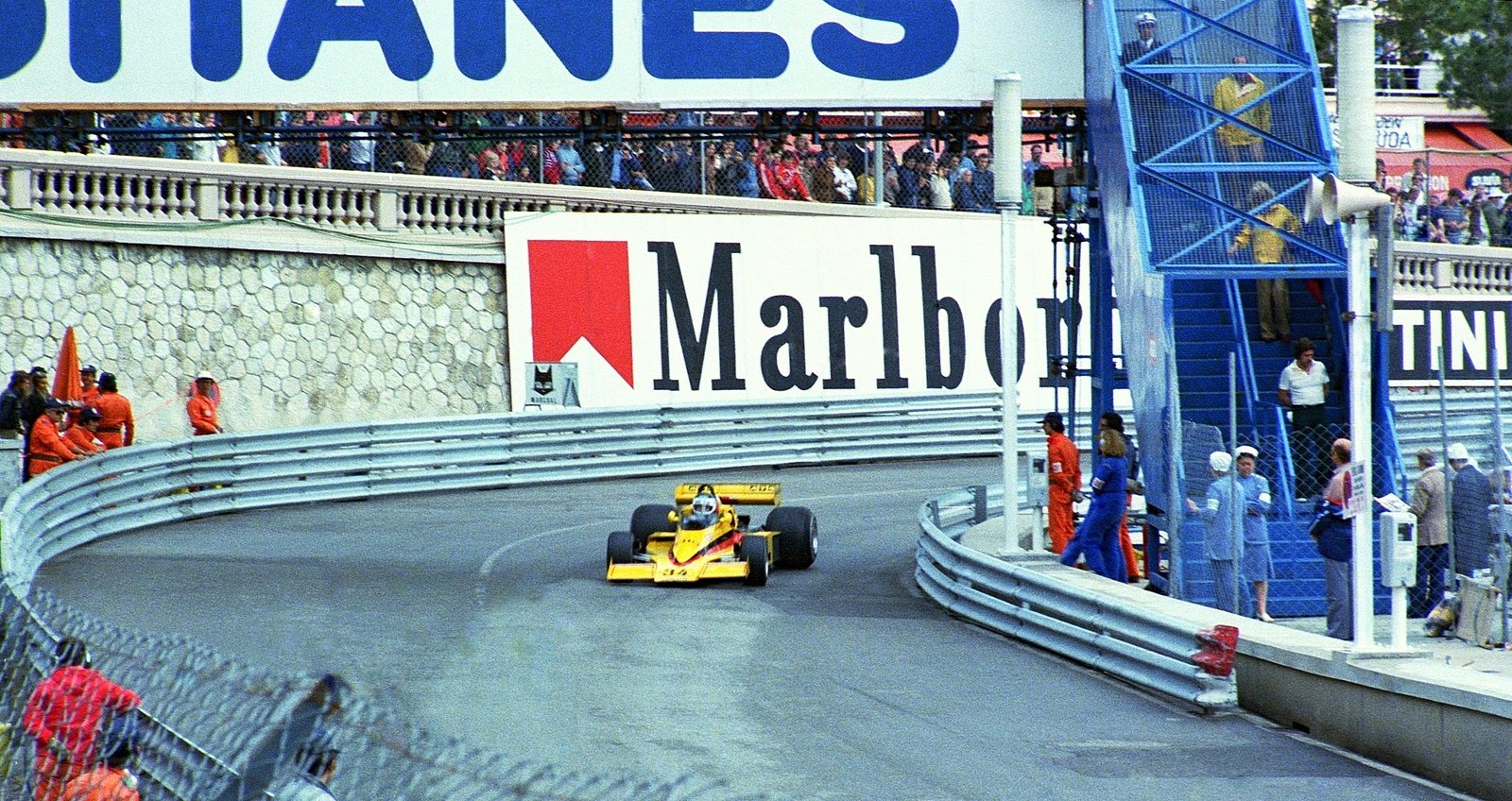
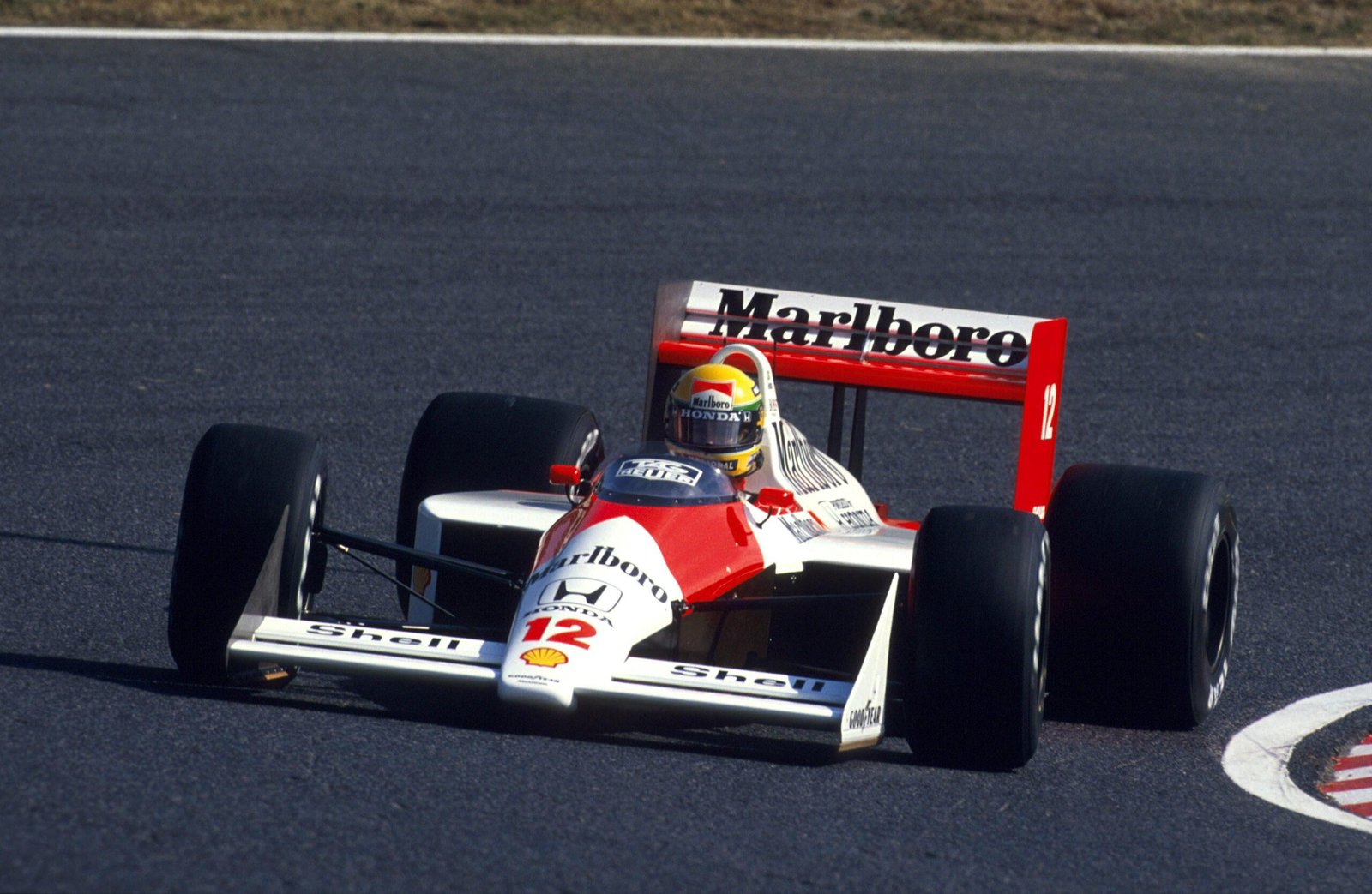
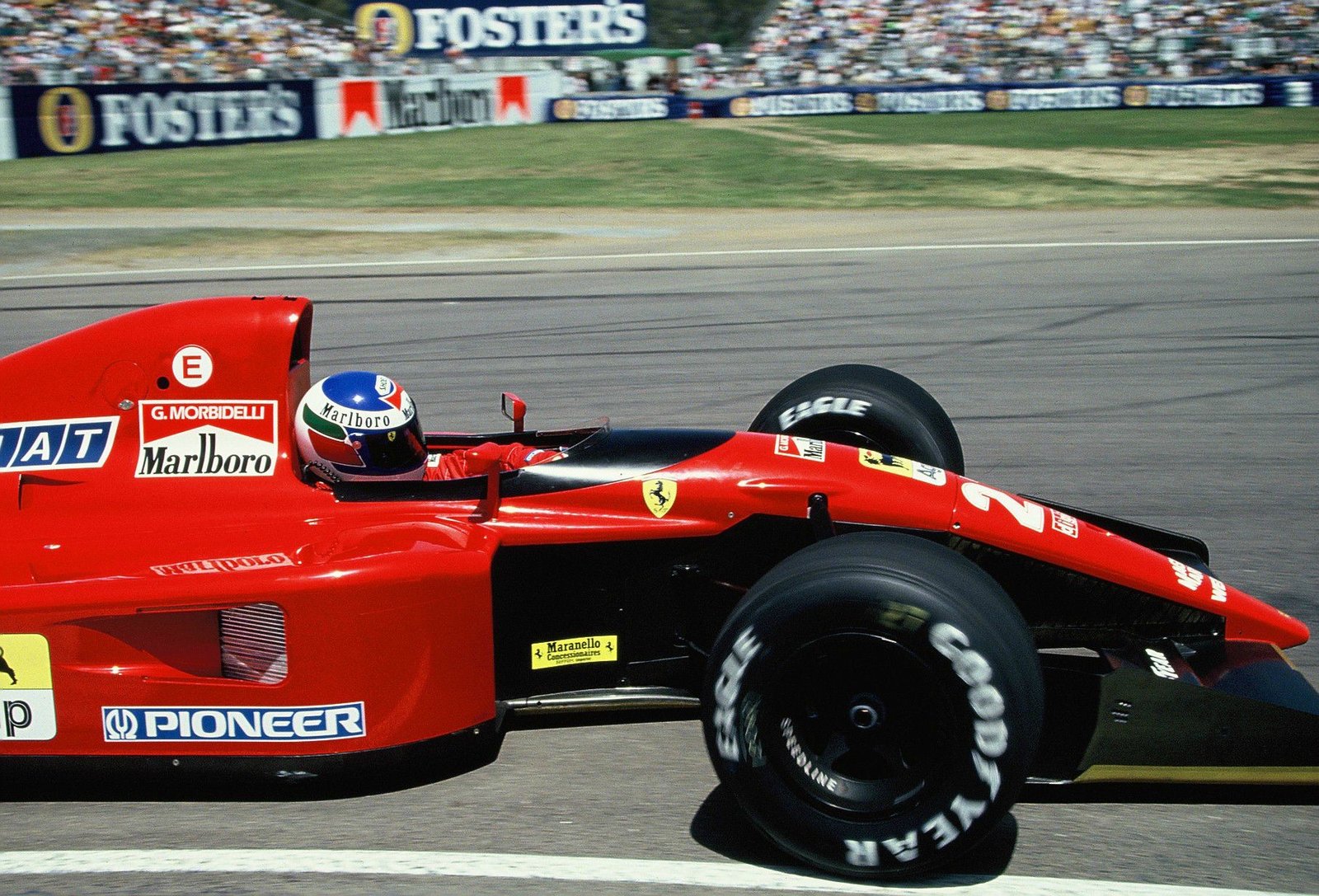
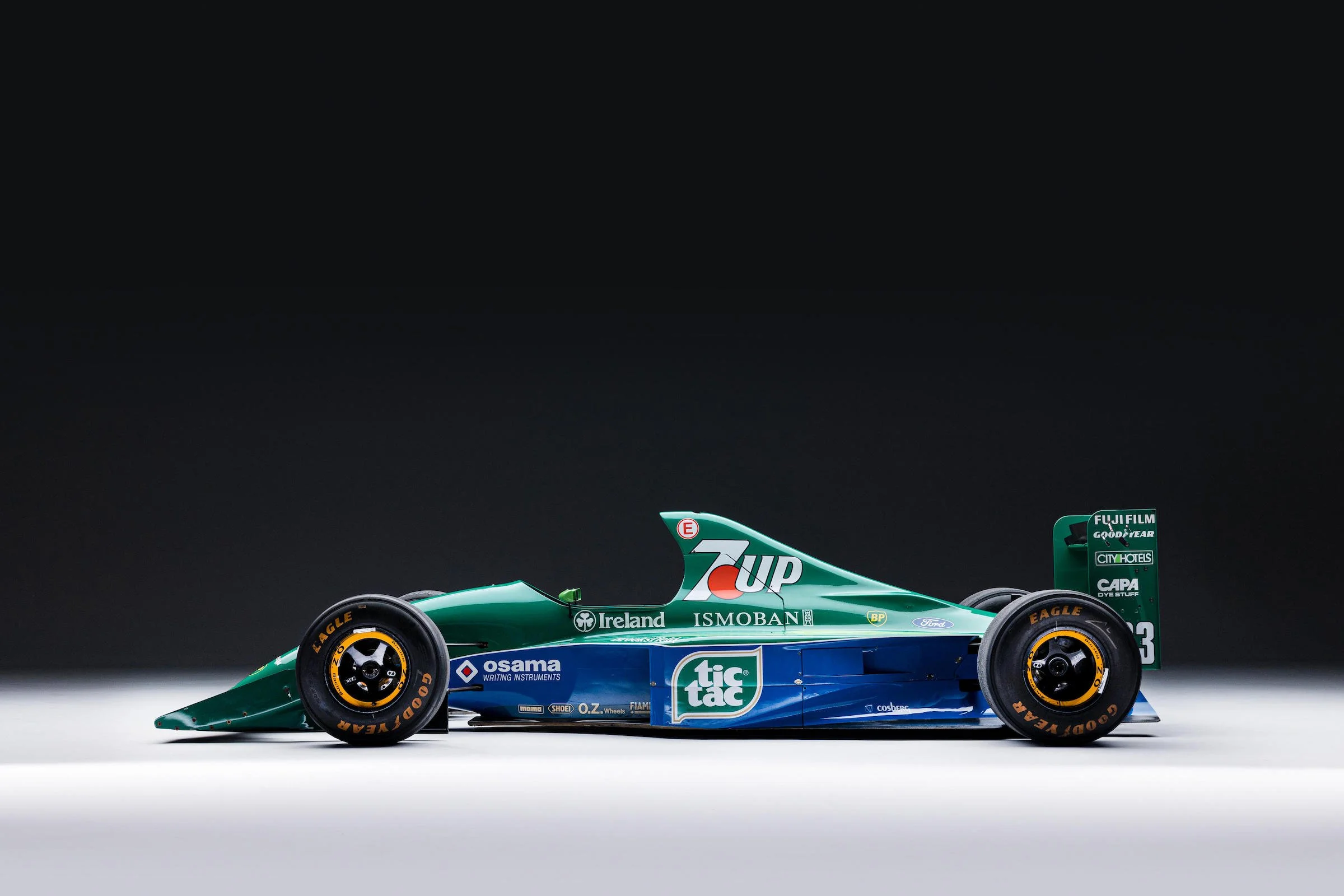
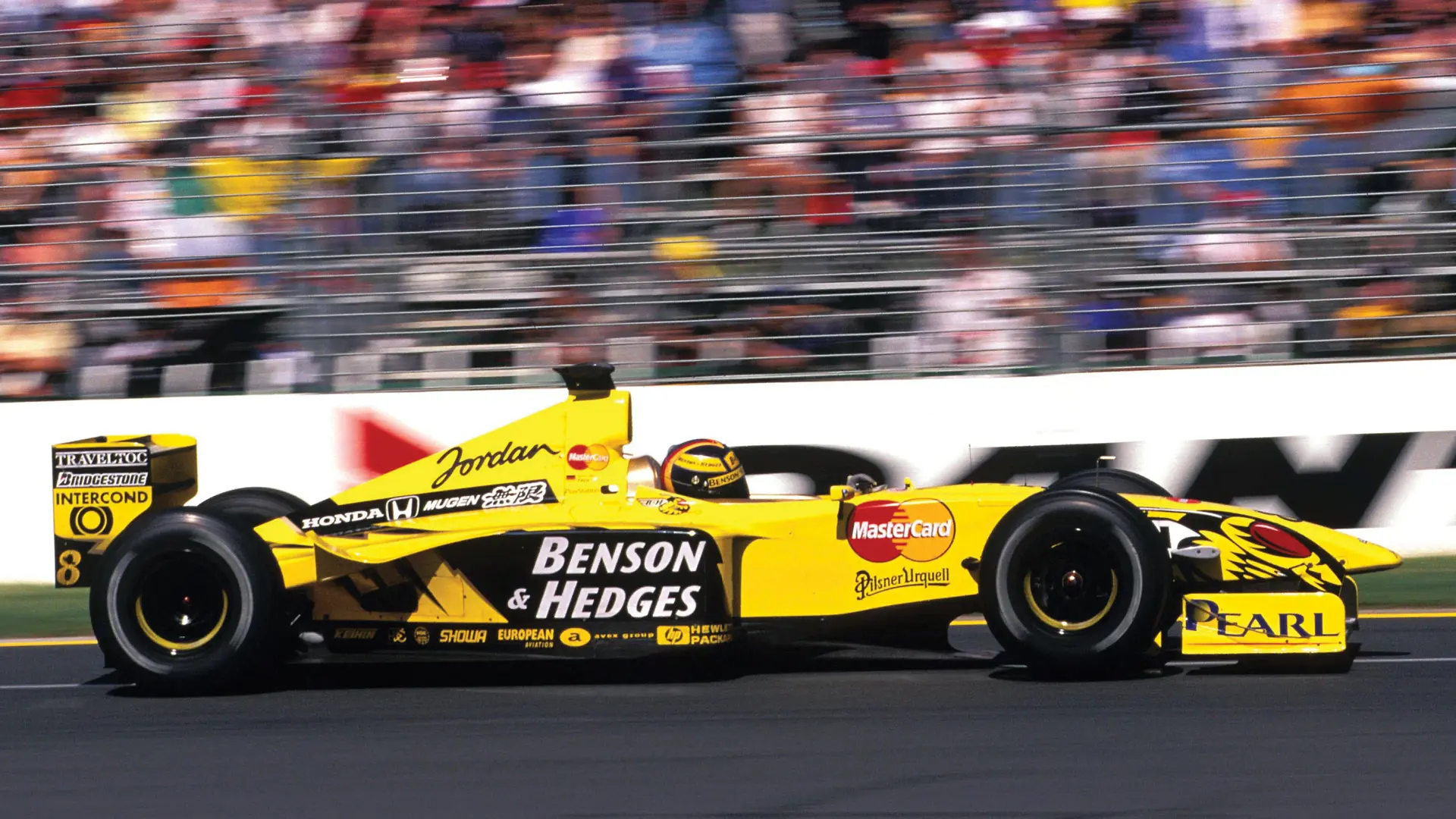
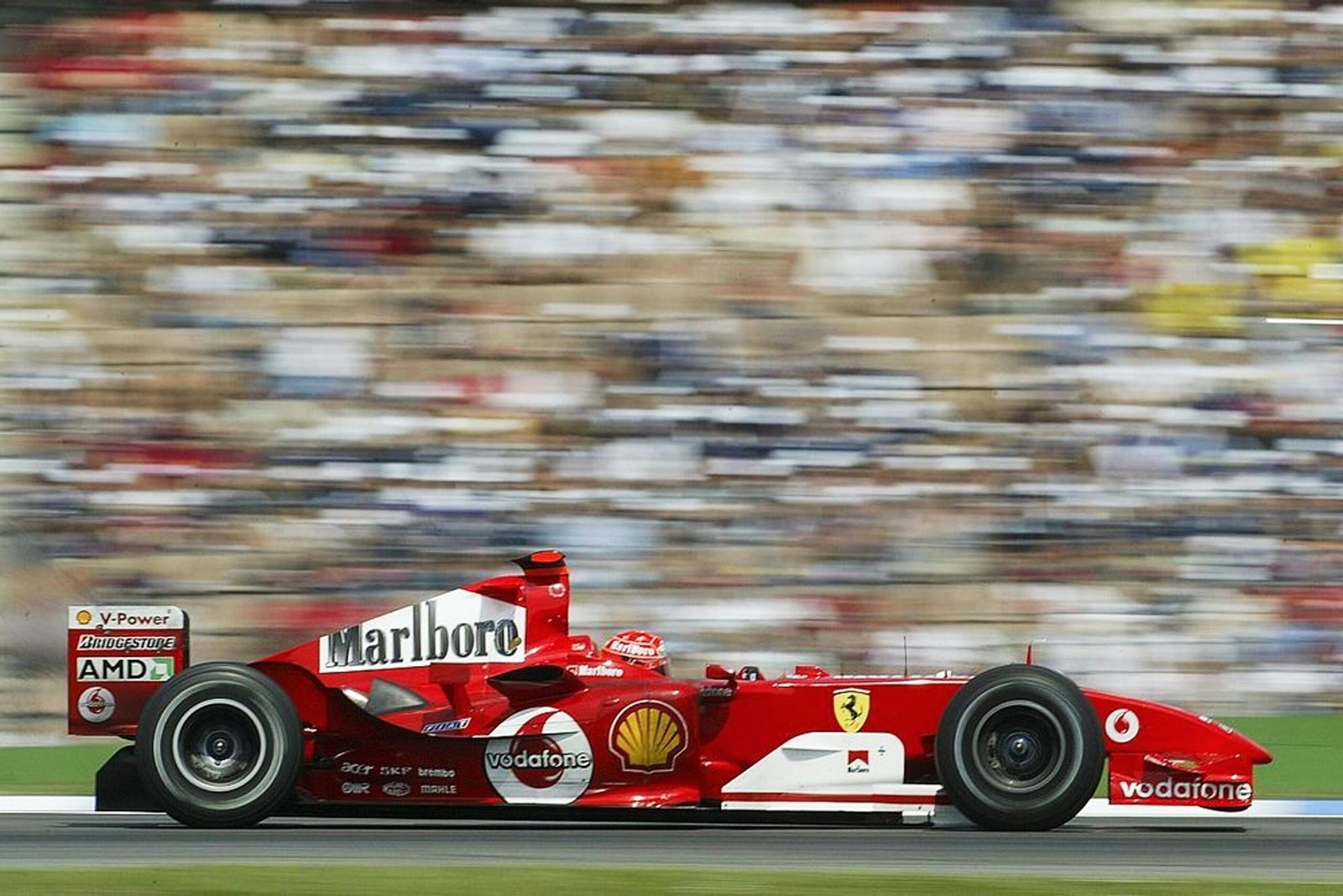
It is tempting to believe the most beautiful Formula 1 cars belong to another era. The black and gold Lotus glowing under Monaco floodlights. Marlboro red and white cutting through harbour-side smoke. The almost radioactive brightness of a Jordan in 7UP green during the early satellite television boom. We associate those machines with danger, glamour and a time when the sport felt less mediated.
But nostalgia tends to simplify.
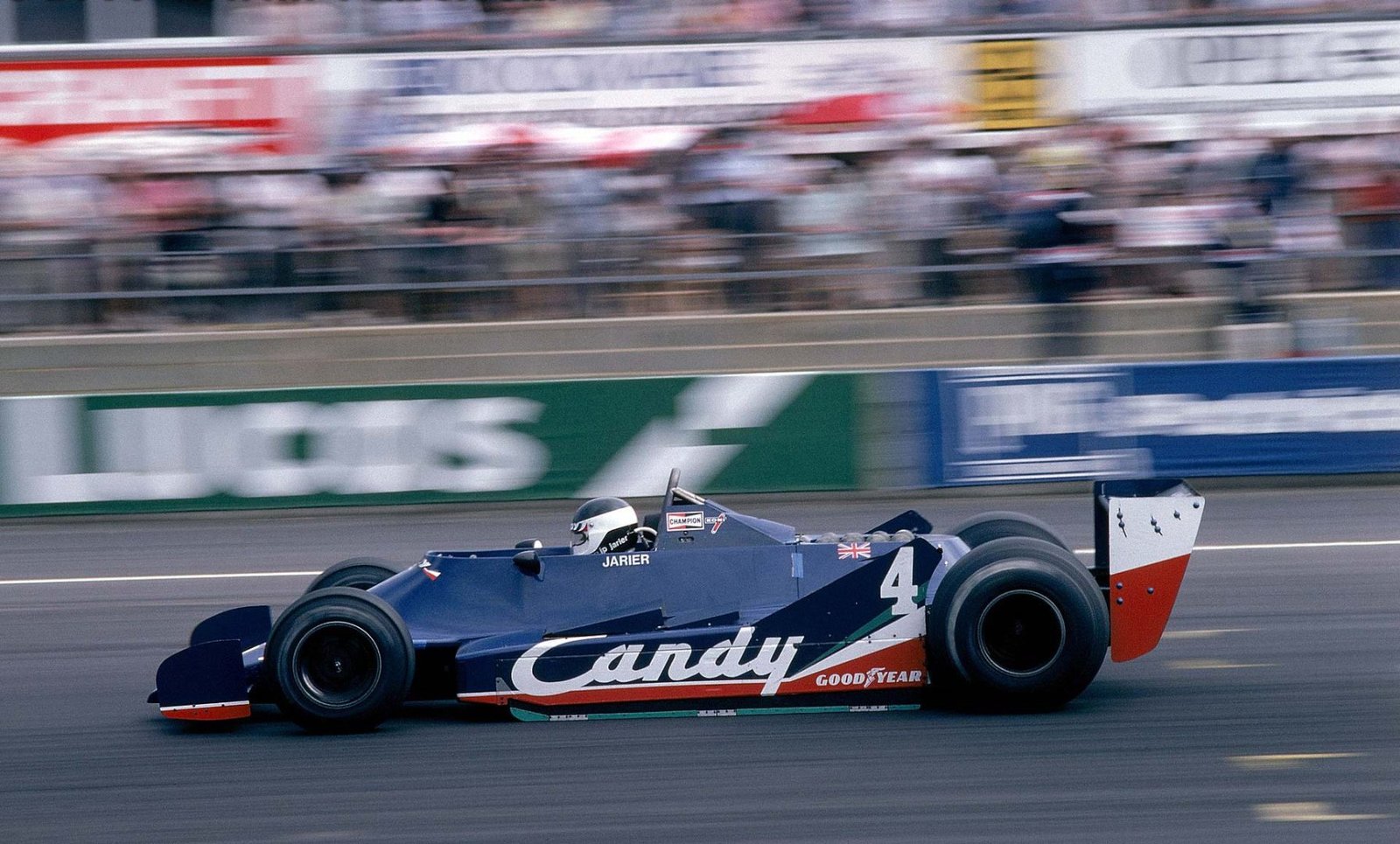
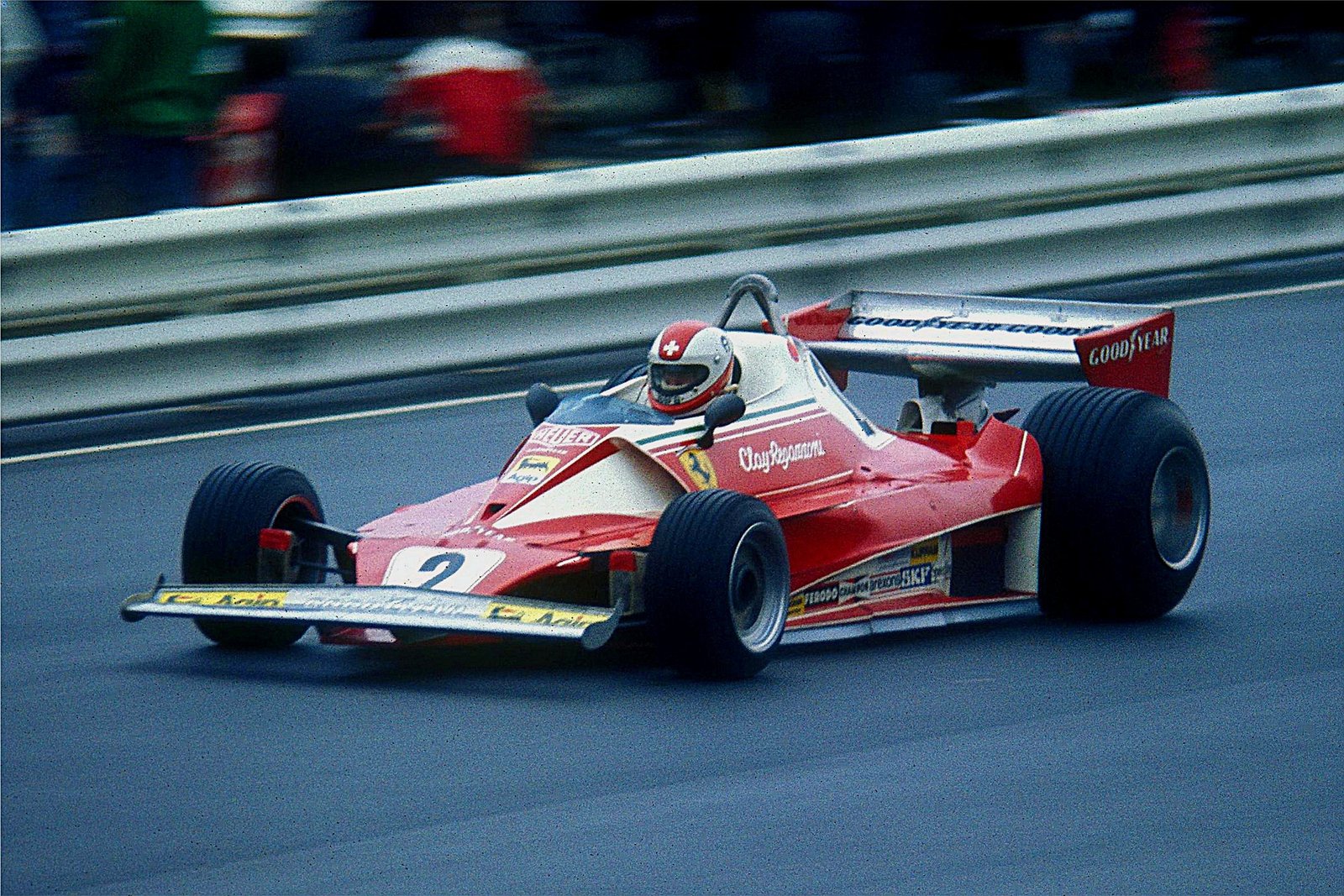
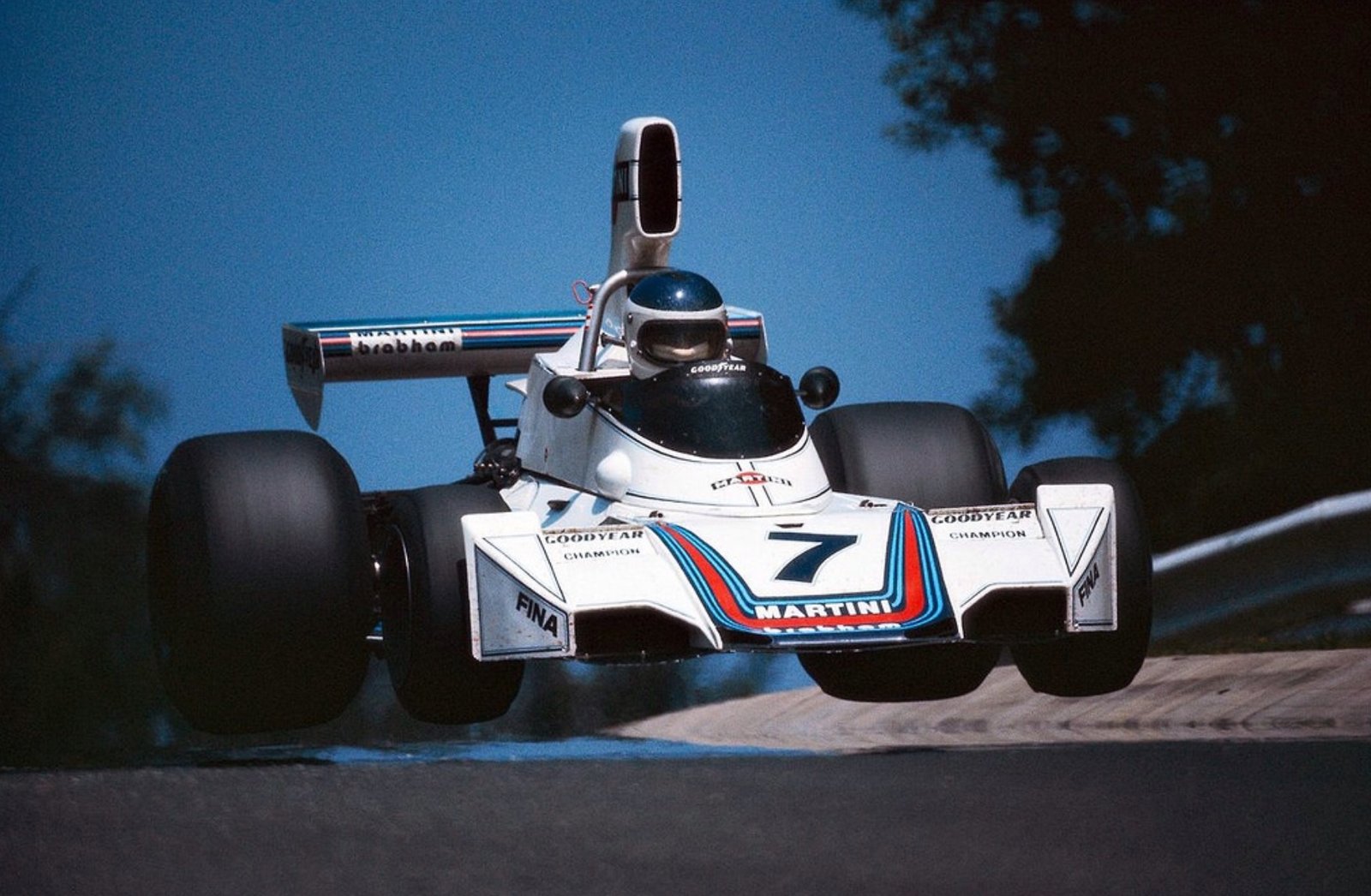
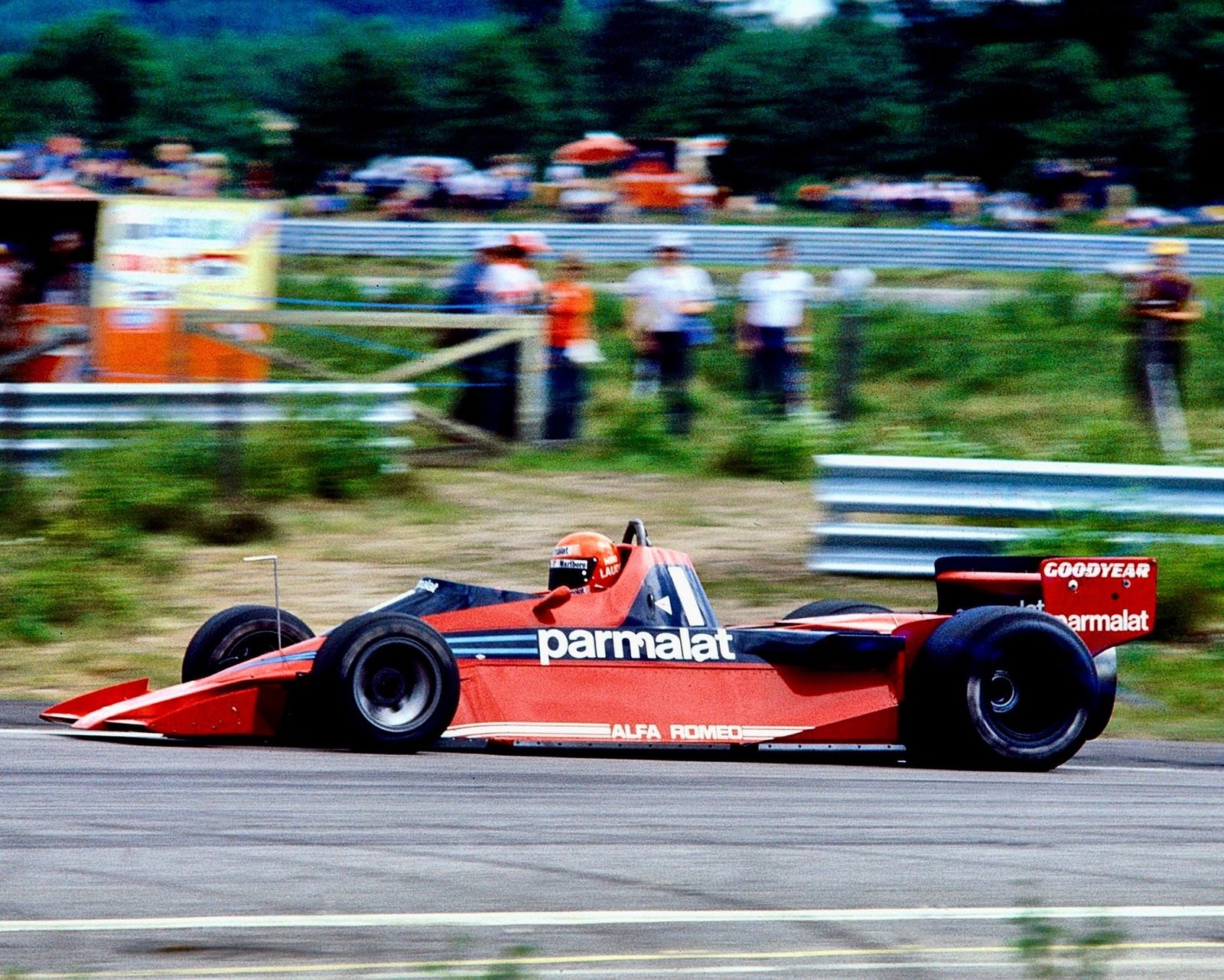
The seventies arrived at a moment when national identity gave way to commercial ambition. Tobacco brands entered the sport with the confidence of couture houses. They did not treat the car as a billboard. They treated it as an object worth dressing properly. Martini stripes followed bodywork like tailored fabric. Gold pinstripes traced architecture rather than fighting it. The car became moving theatre.
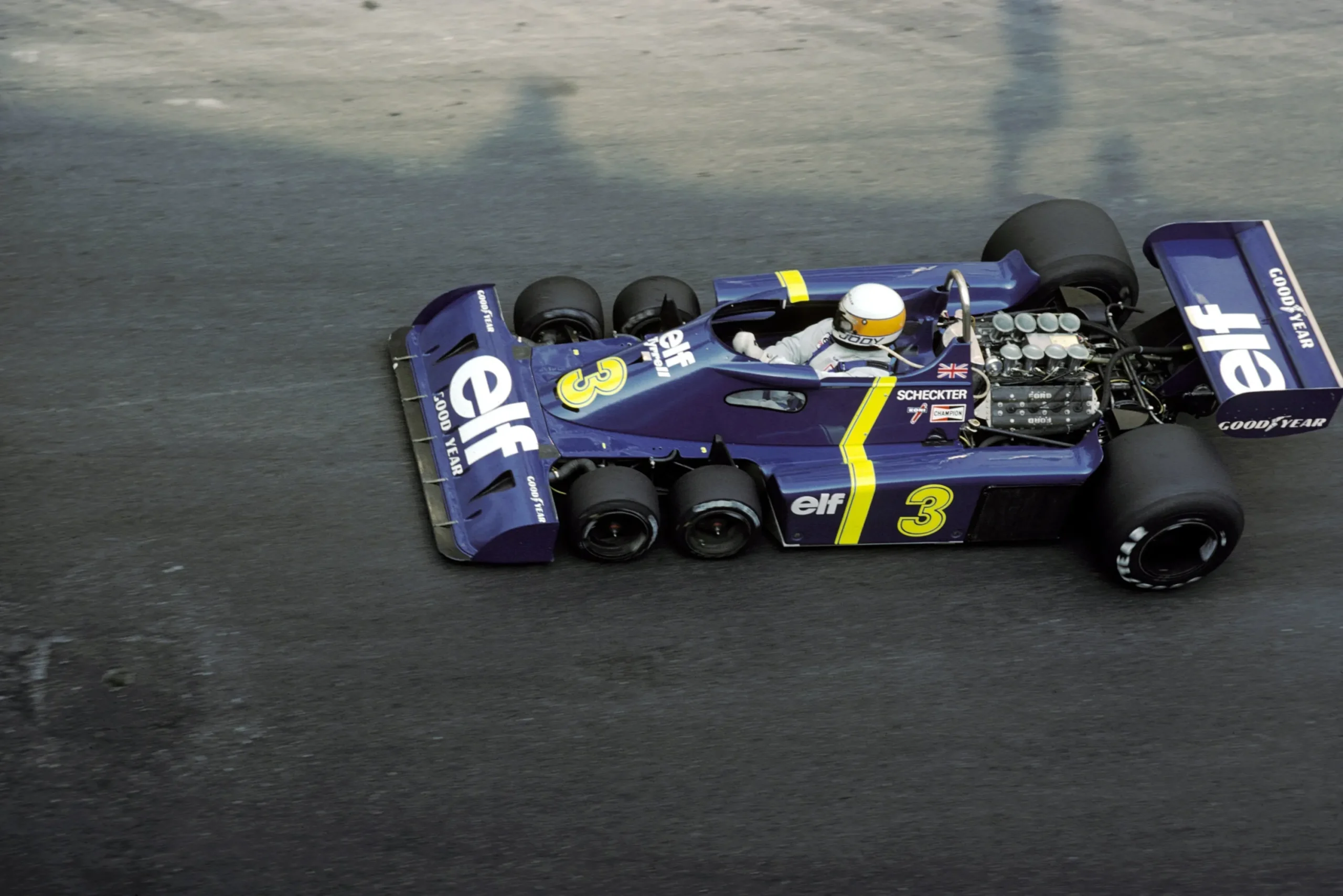
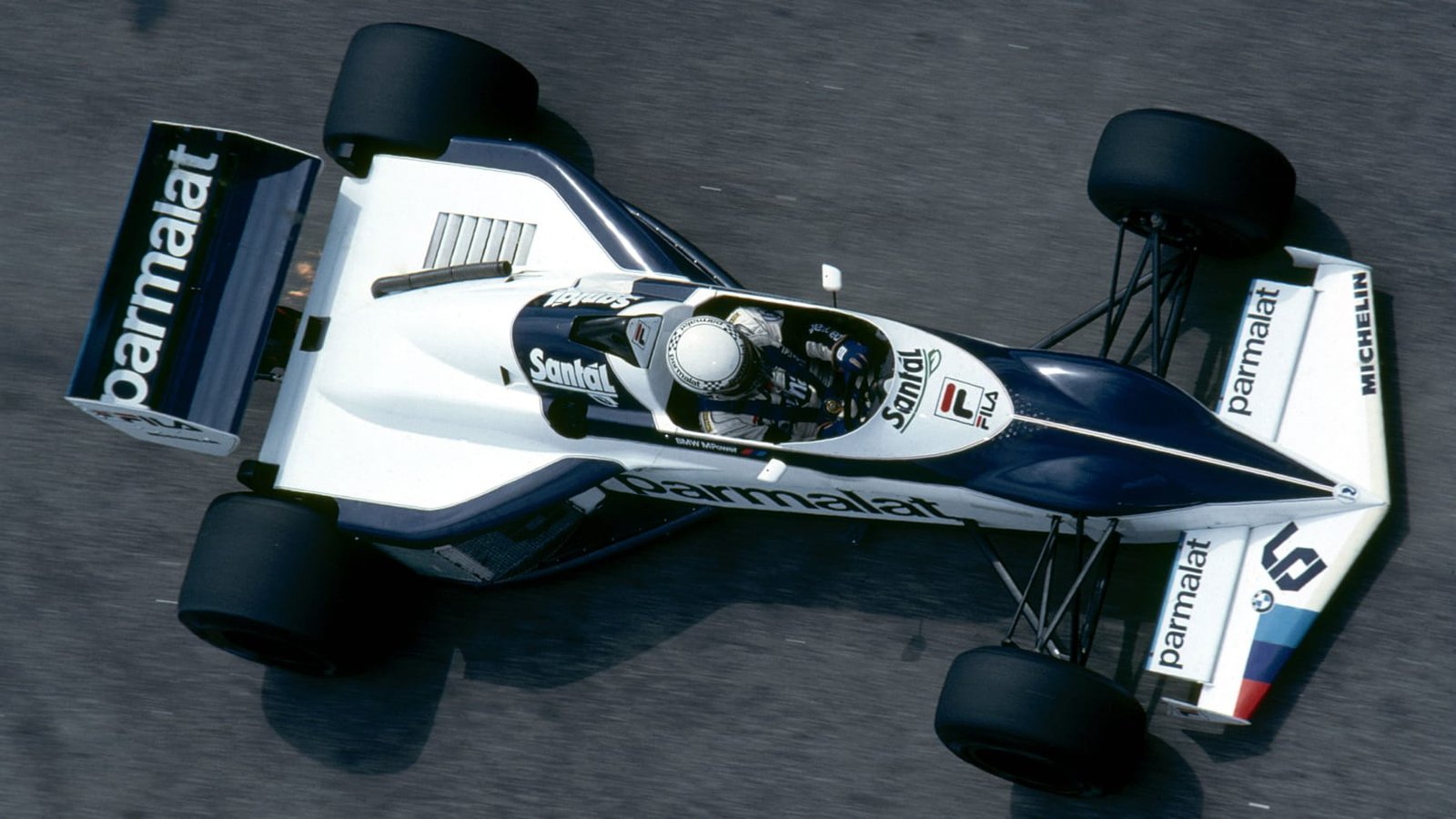
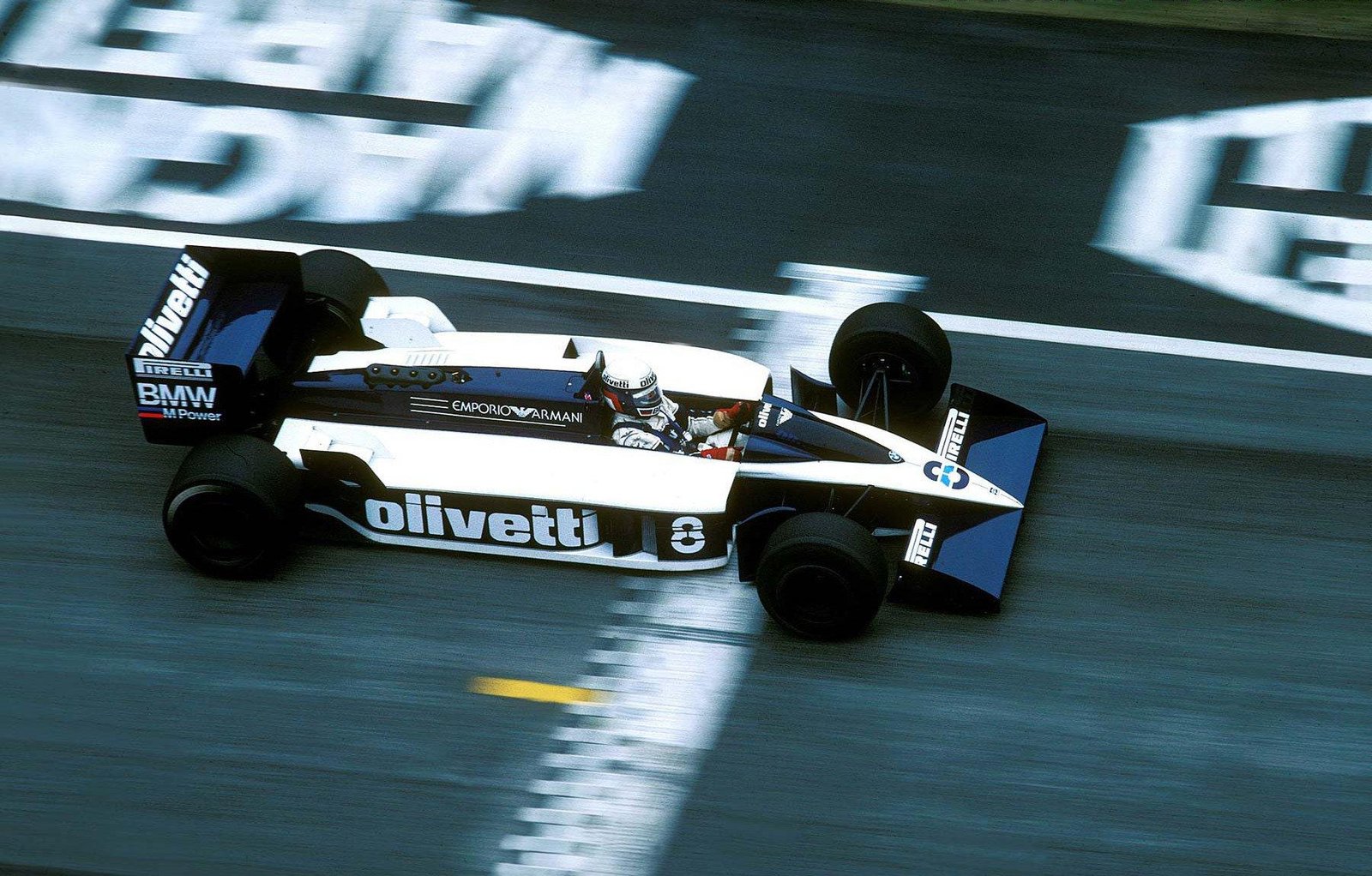
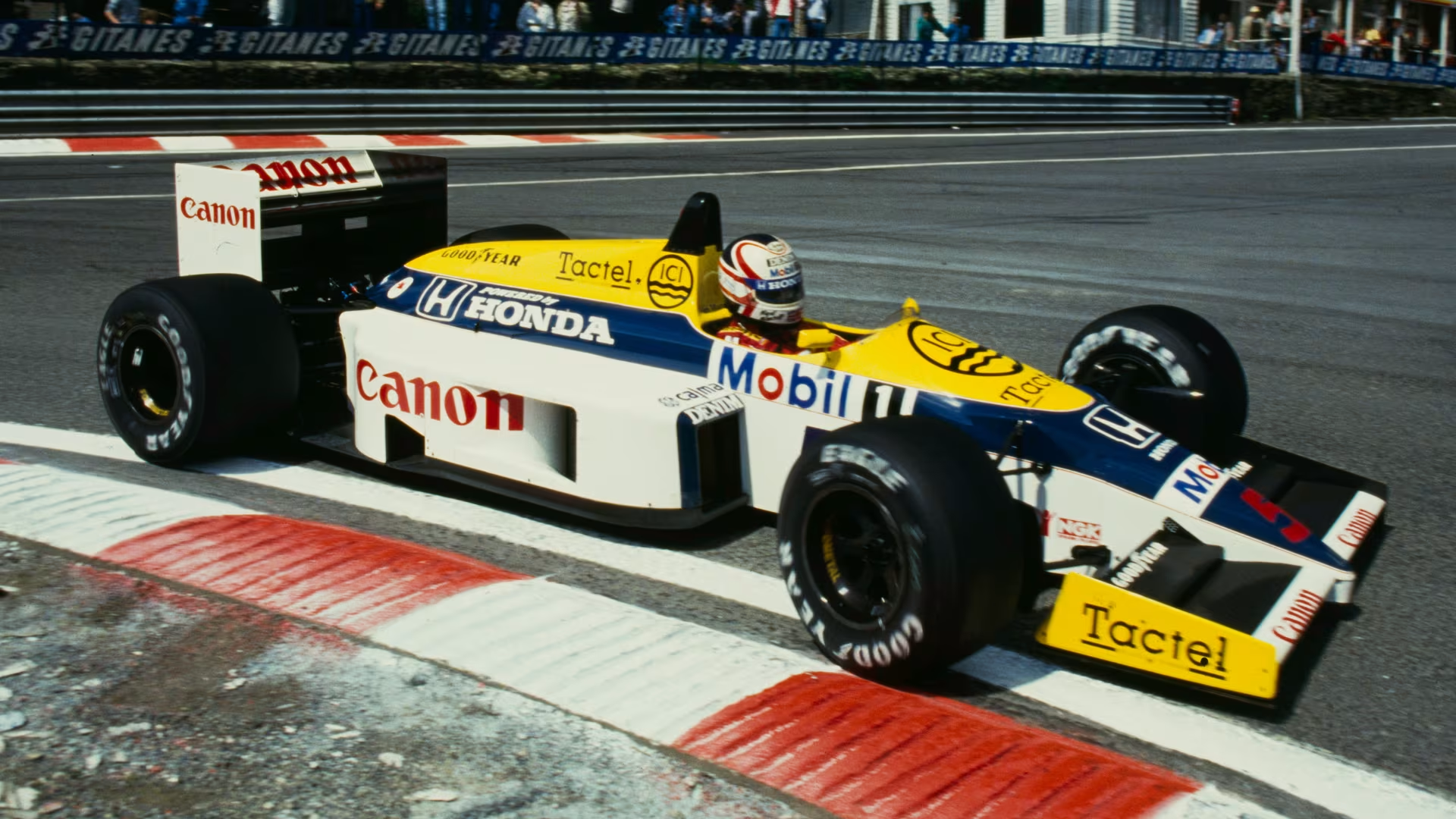
The eighties sharpened everything. Turbo engines lowered the stance of the machines and stiffened their attitude. Advertising culture grew bolder. Graphic language turned more assertive. Hard splits. Clear hierarchy. Strong contrast. Formula 1 reflected the visual confidence of the era.
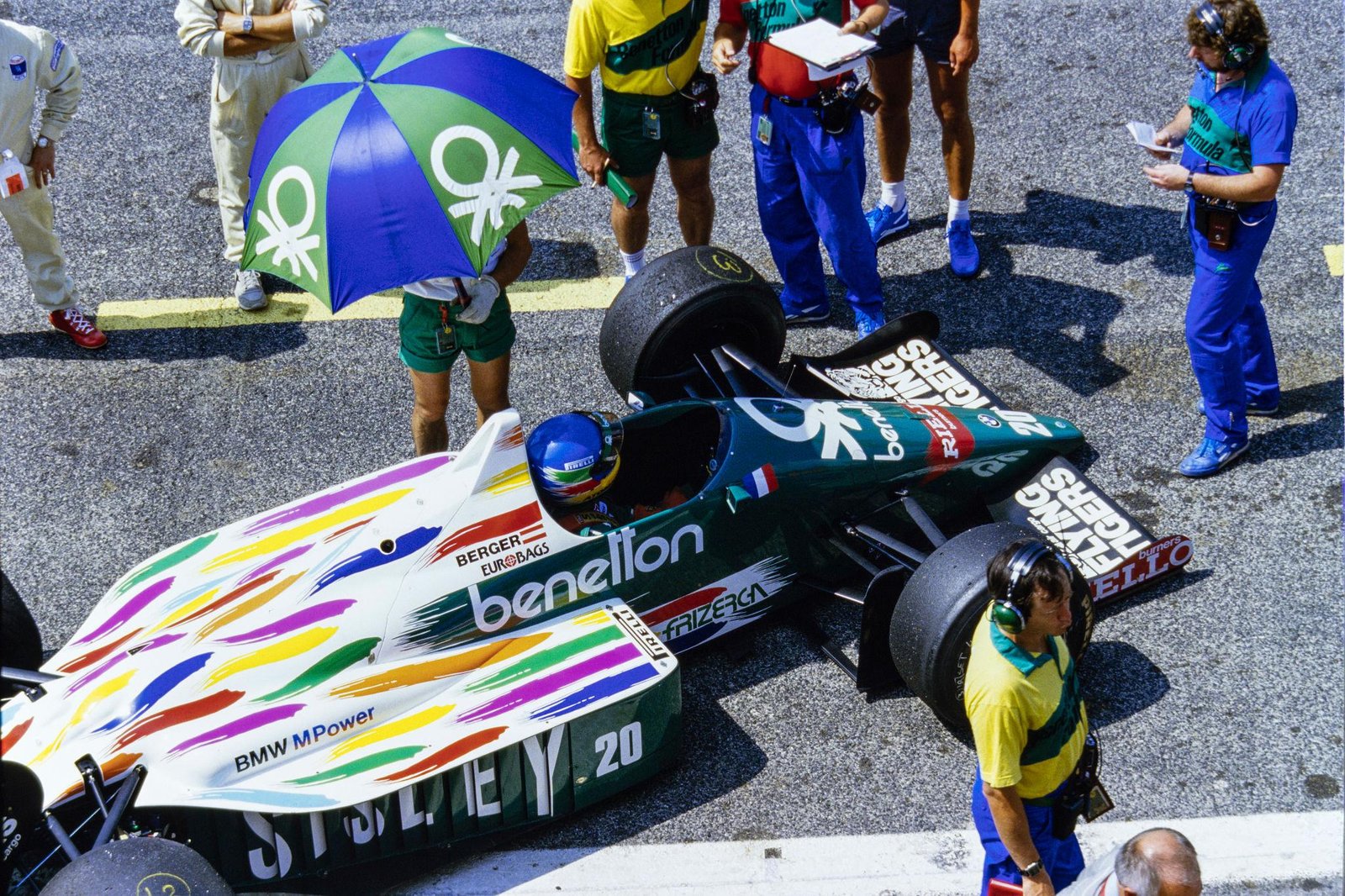
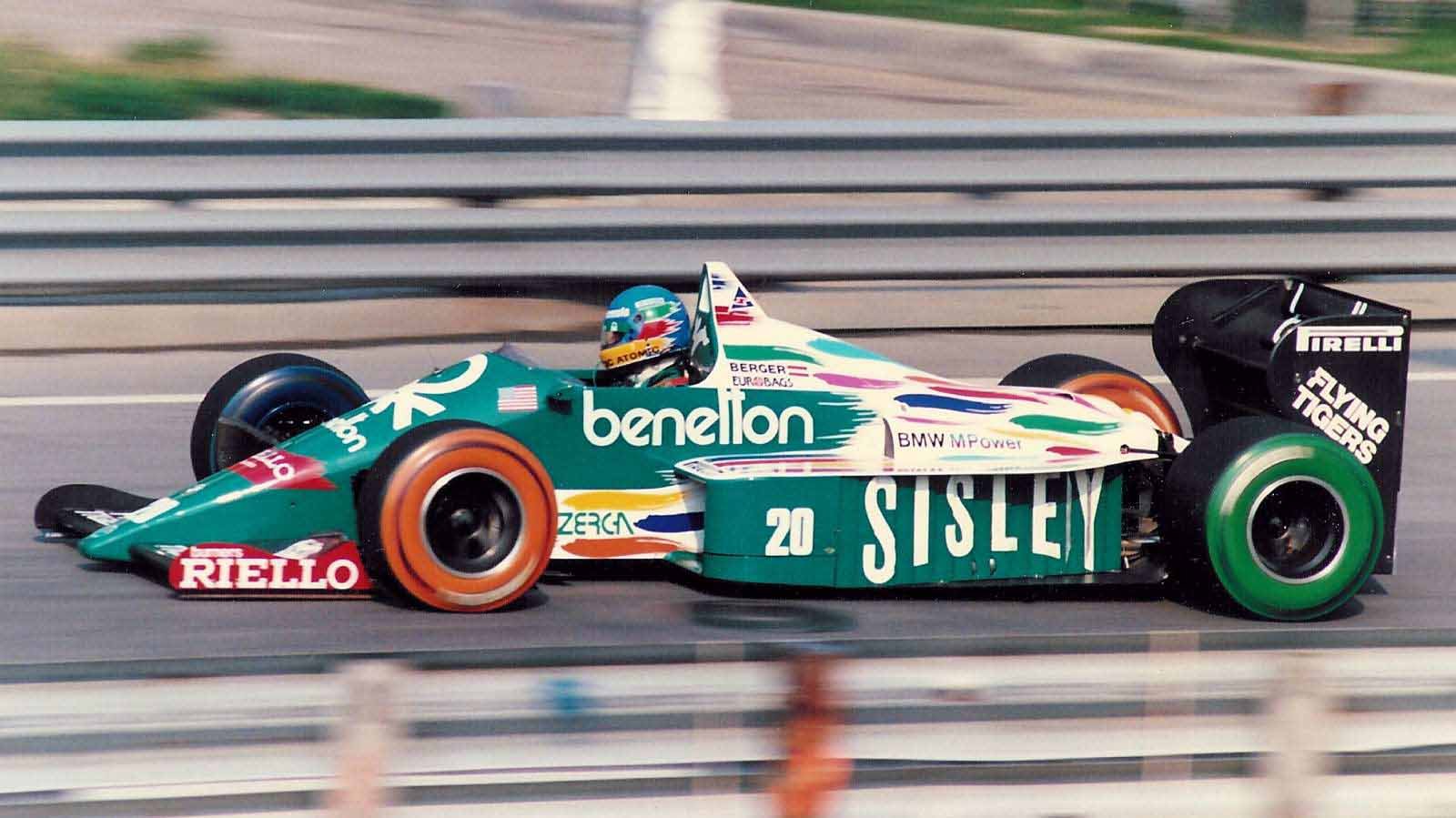
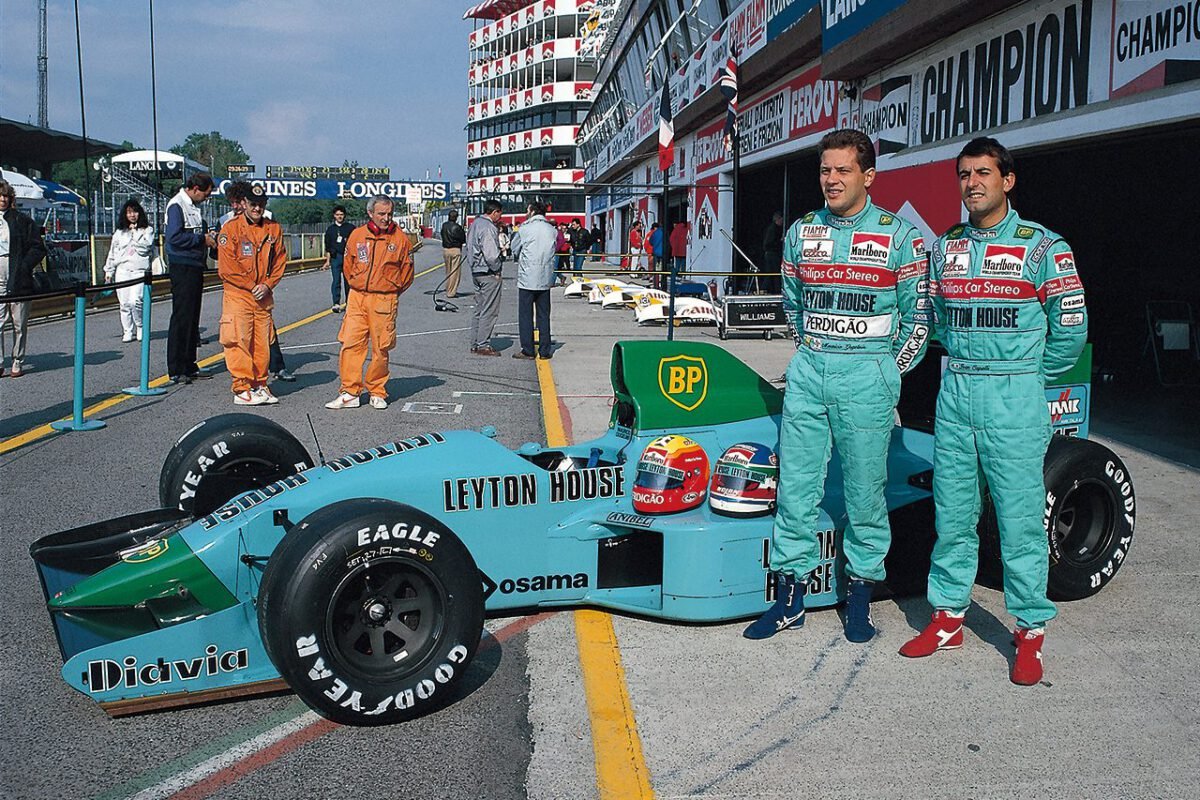
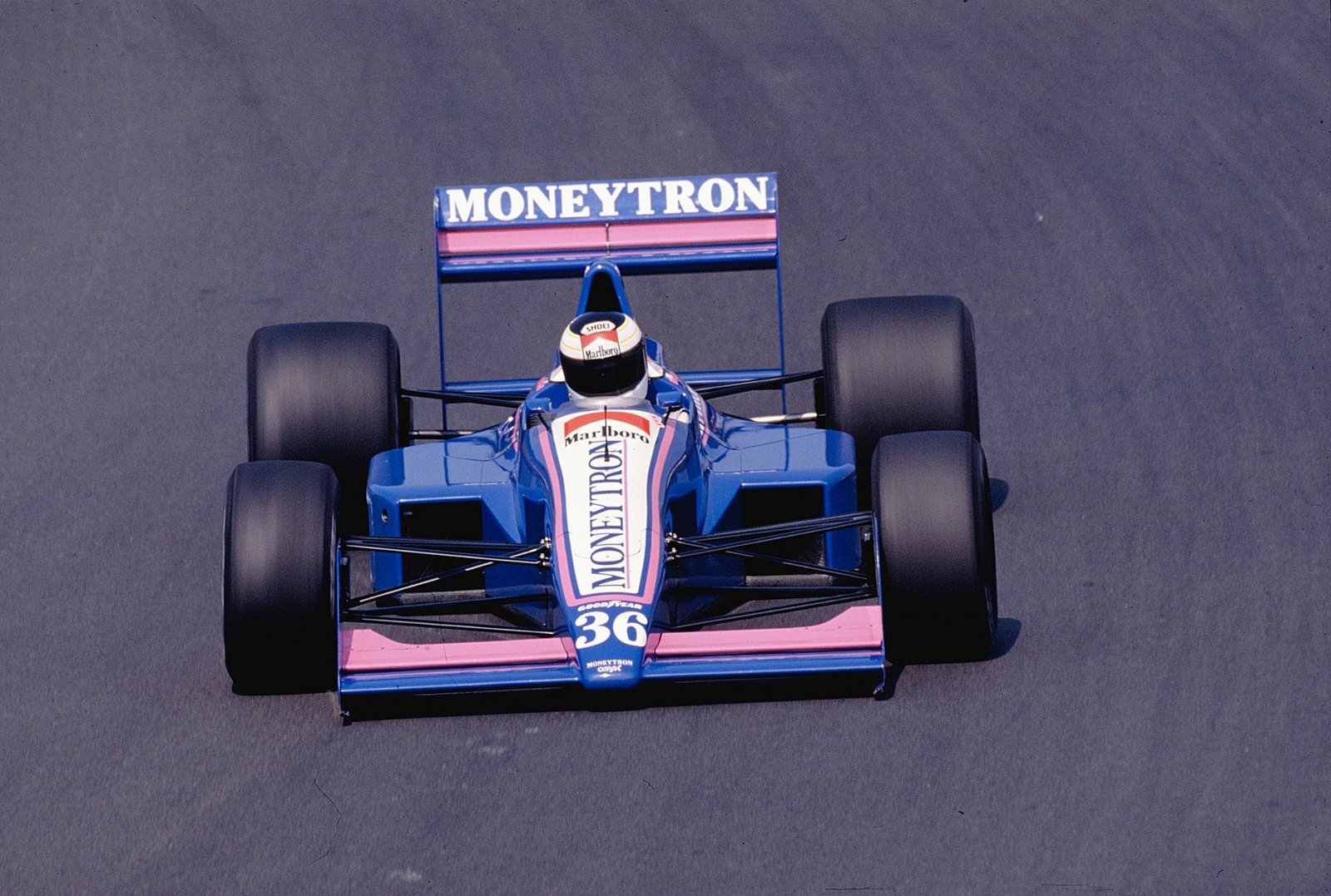
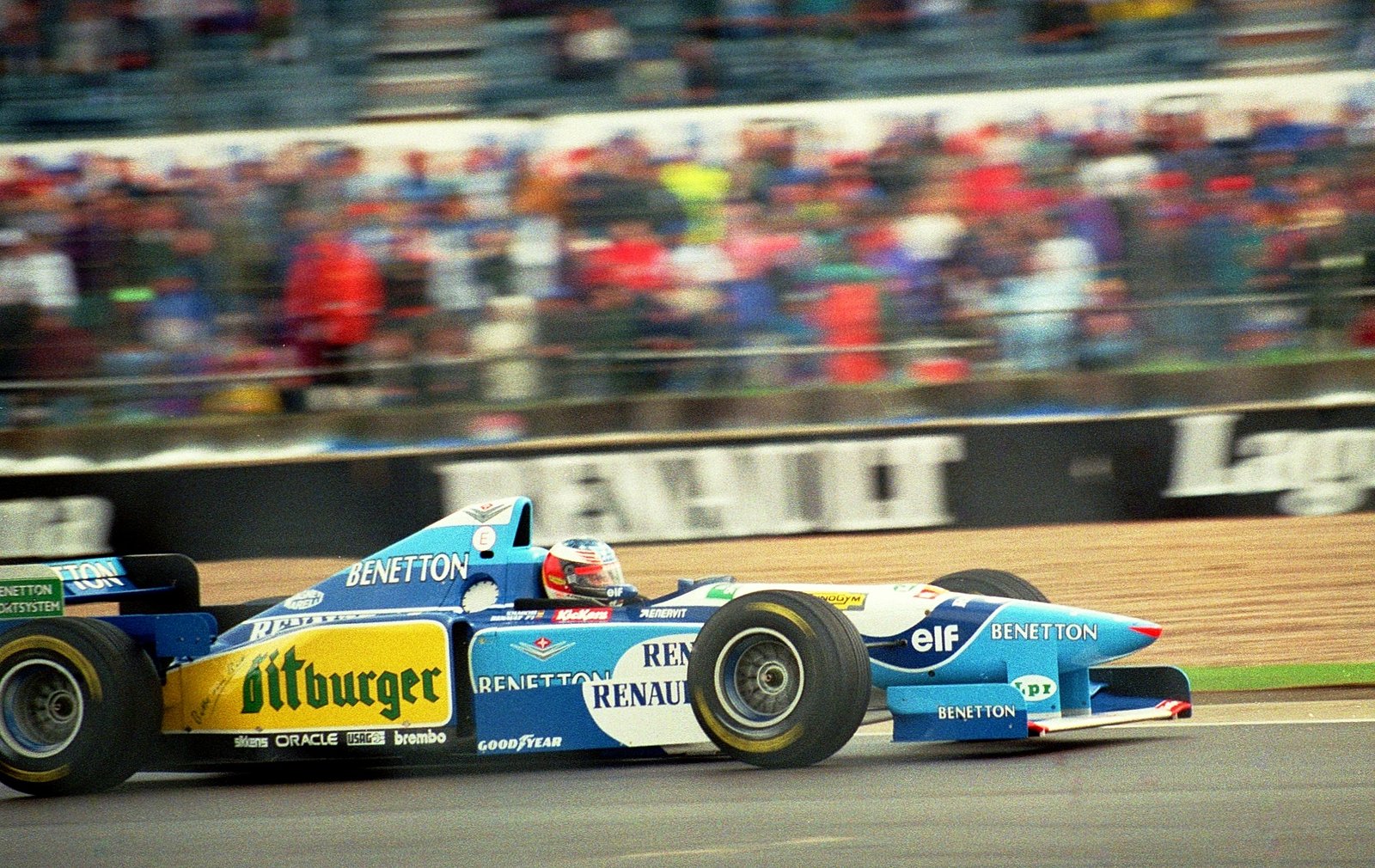
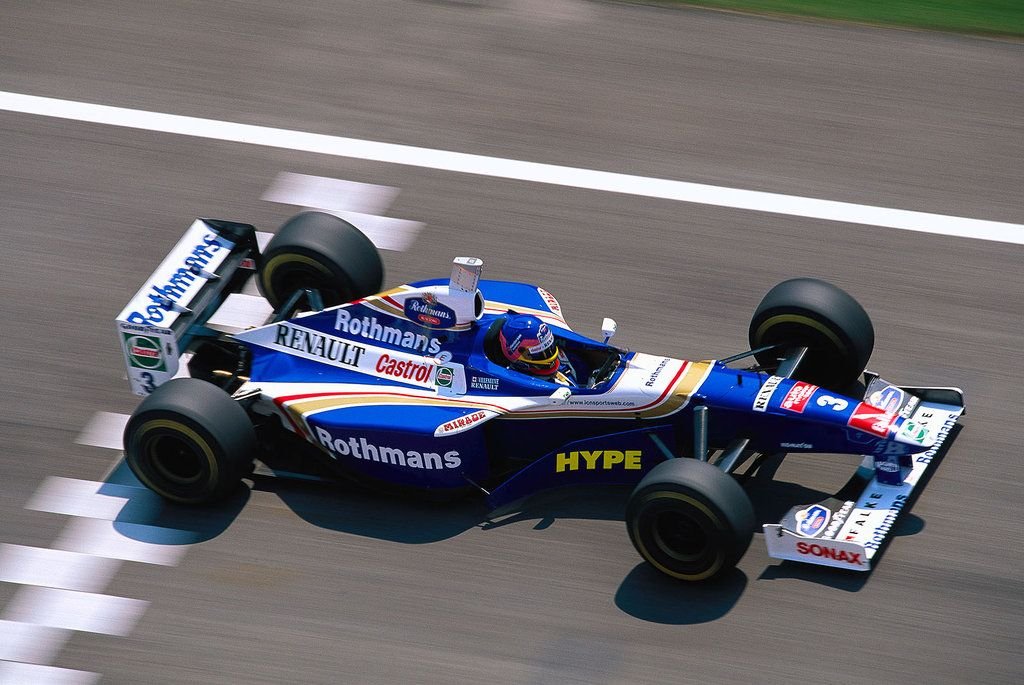
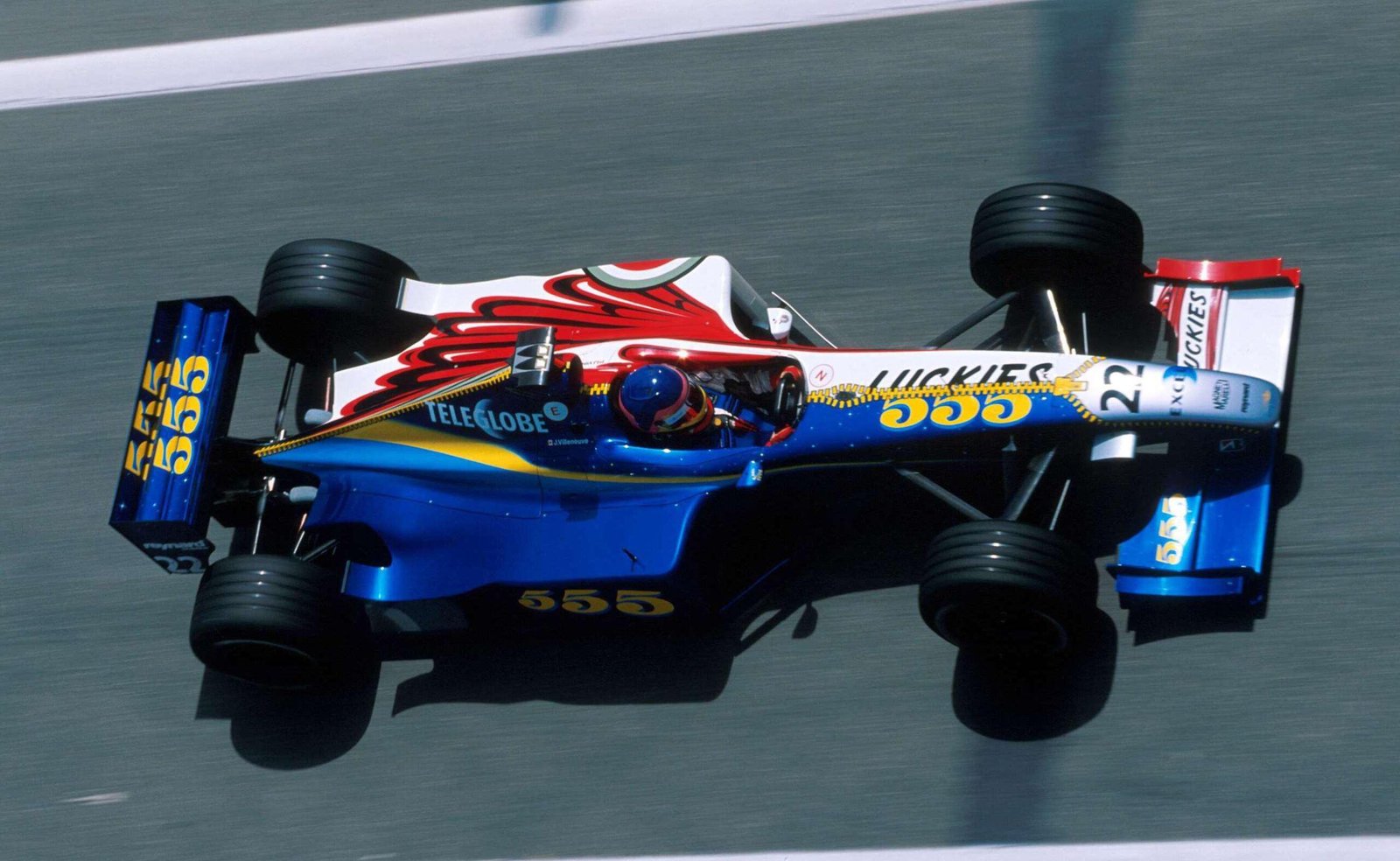
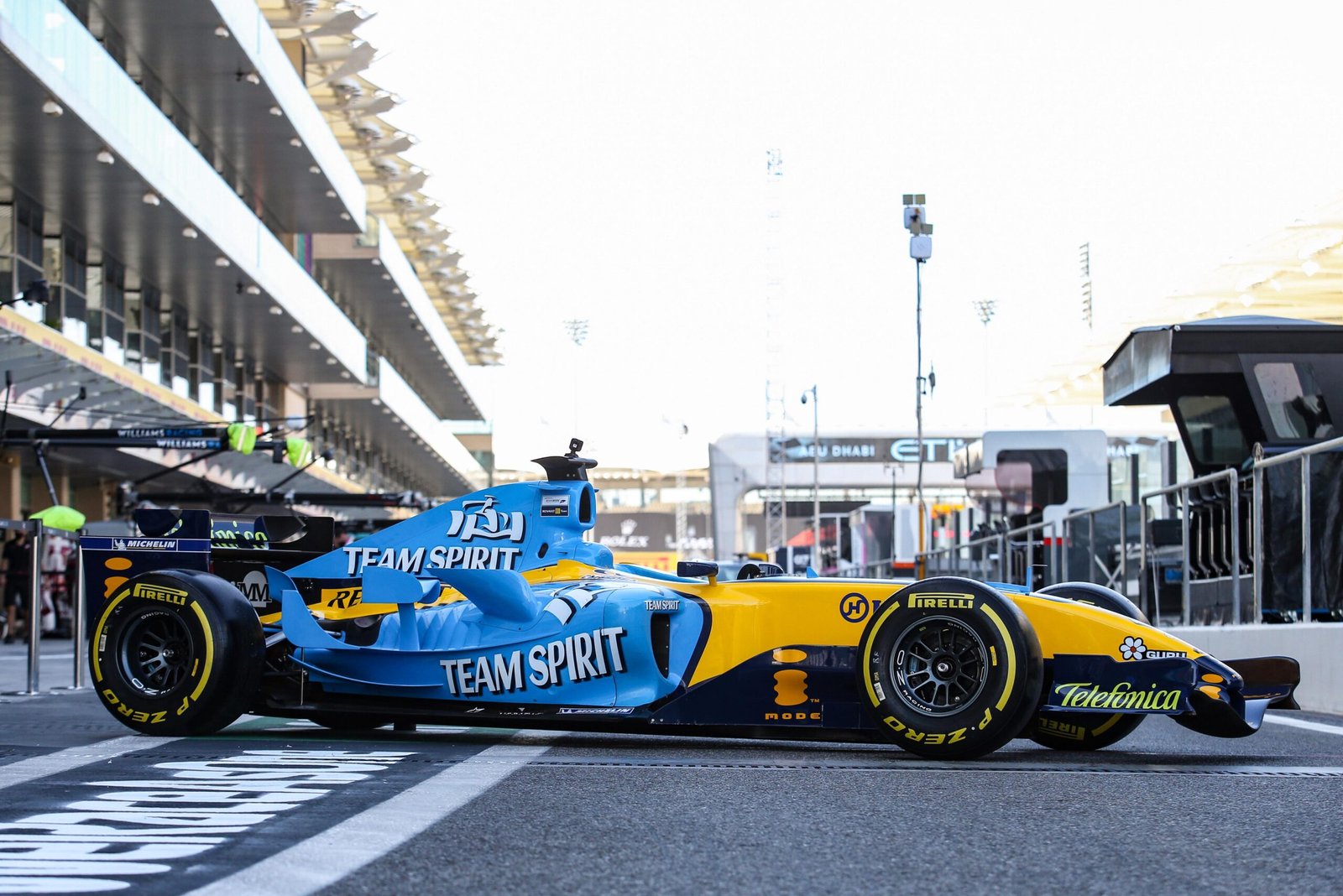
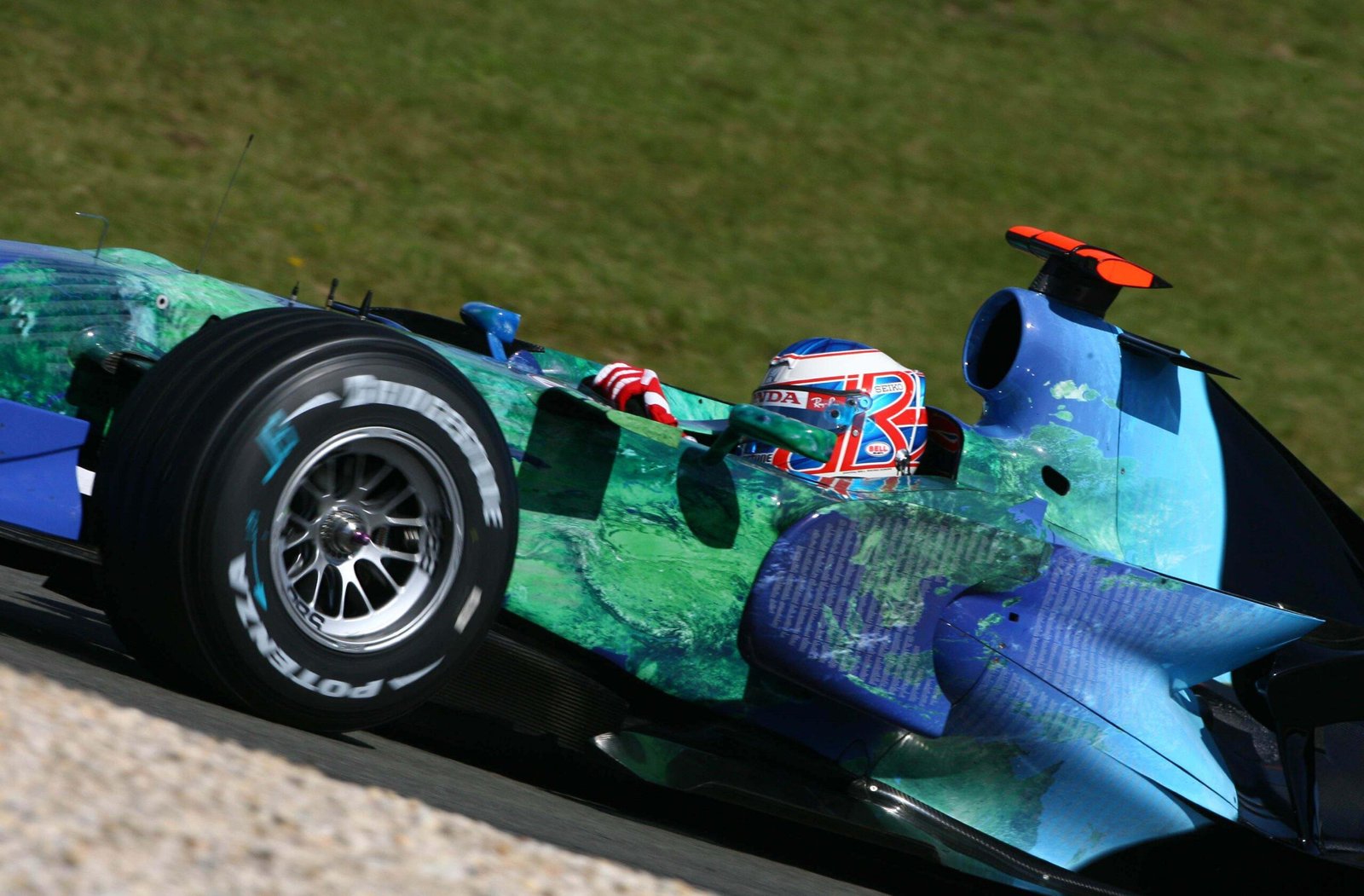
The nineties loosened the collar. Colour returned with optimism. Television expanded. Fashion and technology brands entered the paddock. Teal, neon green, saturated blues. The sport felt global in a new way, and its visuals followed.
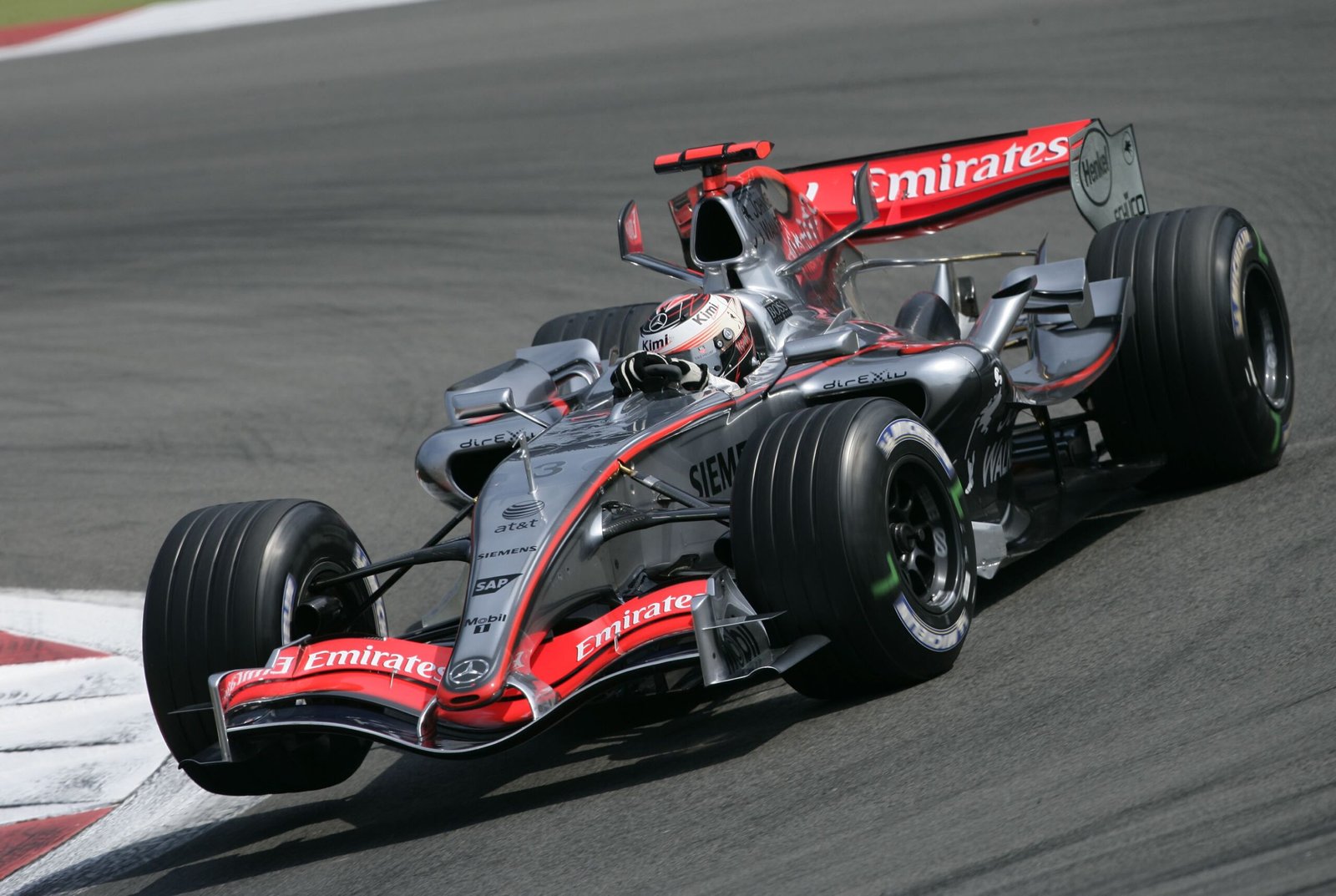
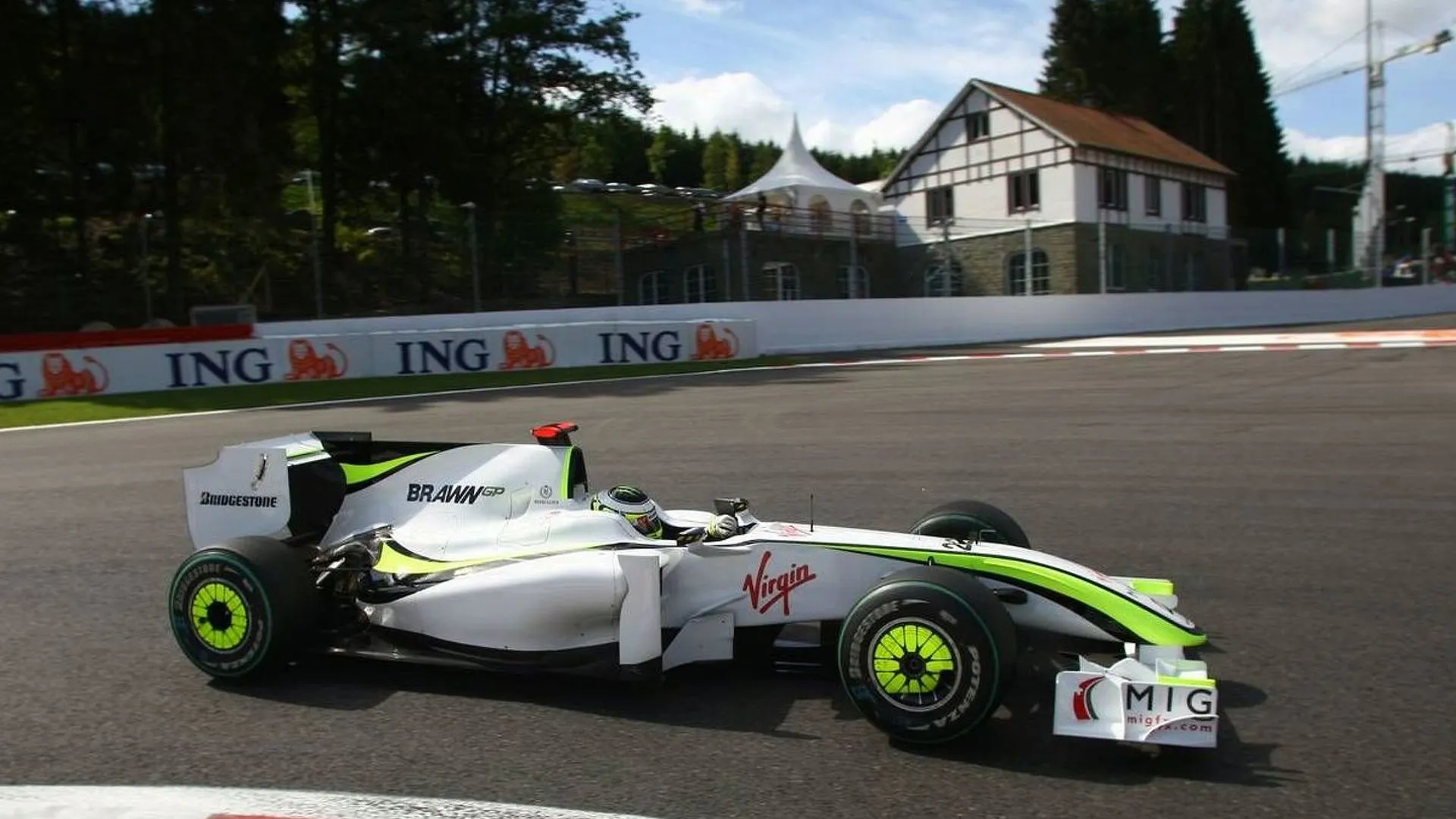
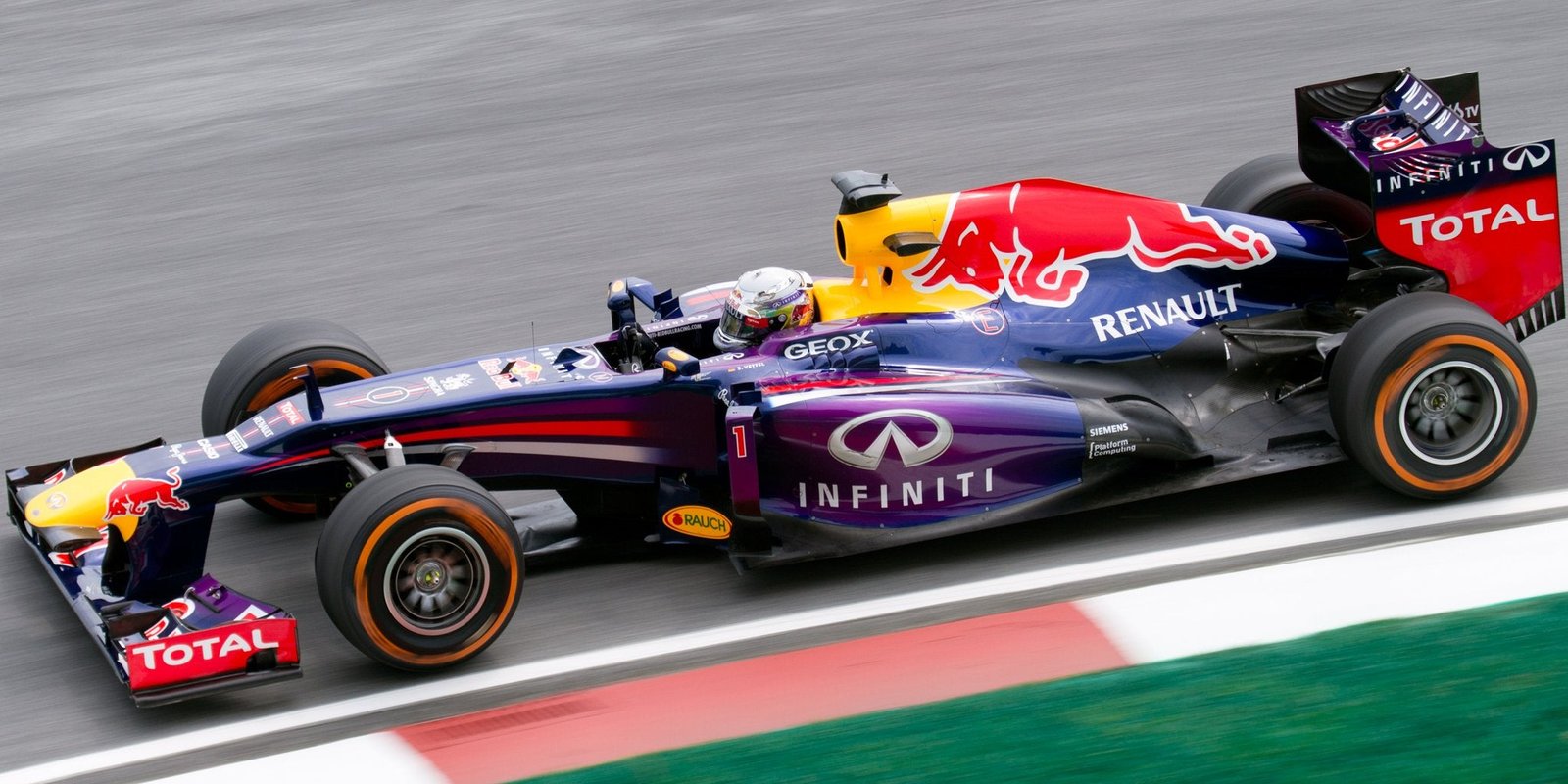
Modern Formula 1 operates under different pressures. Aerodynamic surfaces are layered and fragmented. The halo alters the centre of gravity visually as much as physically. Carbon fibre is often left exposed, deepening the tone of the grid. Sponsorship is diversified, meaning identity must now negotiate multiple partners at once. Design teams today are more analytical and more deliberate than ever before.
The canvas, however, is denser.
Older cars often appear seductive because the eye could read them in a single glance. Modern cars reward a slower gaze. Their beauty lives in detail rather than silhouette.
To understand how that visual language evolved, it helps to revisit the eras where culture, engineering and identity aligned in particularly striking ways.