Sustainability has developed its own language.
Spend enough time around brands, product launches and industry events and you’ll hear the same phrases repeated with near-religious consistency. Circularity. Innovation. Regeneration. Net zero. The words themselves aren’t the problem. The problem is that they’re often delivered with such certainty that the complexity of the challenge quietly disappears beneath them.
Which is why Robert Lockyer left such an impression.
The founder of UK-based luxury packaging company Delta Global was in Sydney as part of the company’s Impact Series, bringing together a small group of guests from the fashion, media and luxury sectors to discuss sustainability, innovation and responsible business. On paper, it sounded like exactly the sort of evening where lofty ambitions and polished talking points might flourish.
As someone who studied industrial design, I arrived with a healthy degree of scepticism.
Design, sustainability and luxury increasingly occupy the same conversation, though not always comfortably. My own relationship with consumption has always been relatively restrained. That evening, I arrived wearing the same coat I’ve owned for years and intend to keep for many more, paired with a second-hand pair of Levi’s 505s manufactured sometime during the 1980s. Not quite the uniform of a luxury consumer.
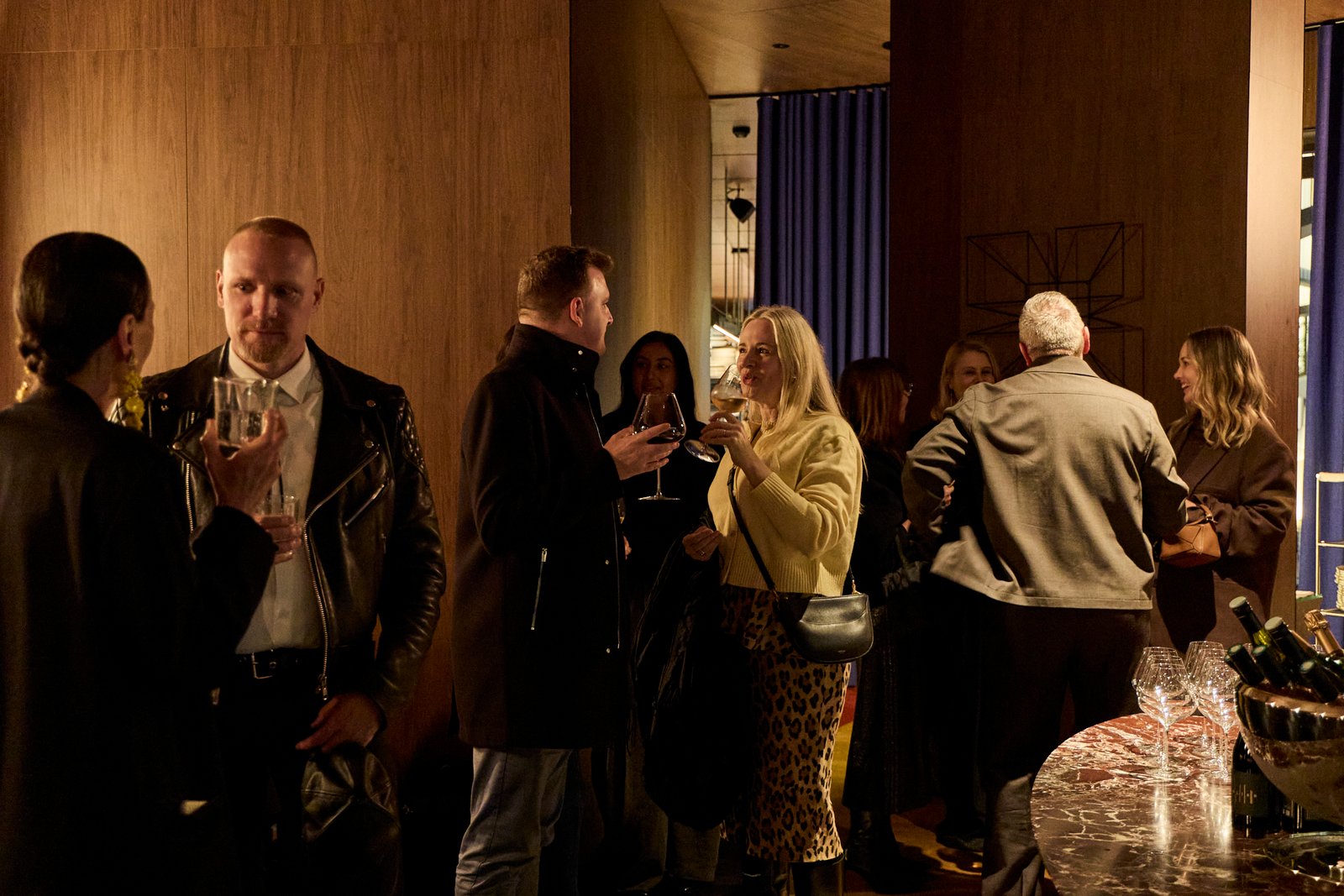
Sydney was particularly crisp that night. Beyond the velvet curtain separating The Seidler Room from the rest of The International, the atmosphere felt worlds away from the cold outside. A glass of Ruinart appeared in my hand before I’d properly taken stock of the room. Around me, conversations flowed easily between fashion executives, media and brand partners. Many seemed to be old friends, picking up discussions as though no time had passed since they last met.
Eventually, guests filtered towards the long dining table as fashion journalist Patty Huntington prepared to interview Lockyer. It was a familiar enough setup, one I’d encountered many times before: a founder, an audience and a discussion about sustainability.
Which, perhaps, was why I was expecting familiar answers.
Rather than delivering the sort of carefully rehearsed sustainability narrative that has become commonplace across much of corporate life, Lockyer repeatedly returned to uncertainty, compromise and trade-offs. Sustainability, he suggested, isn’t a destination. It’s a process of continuously making better decisions with imperfect information.
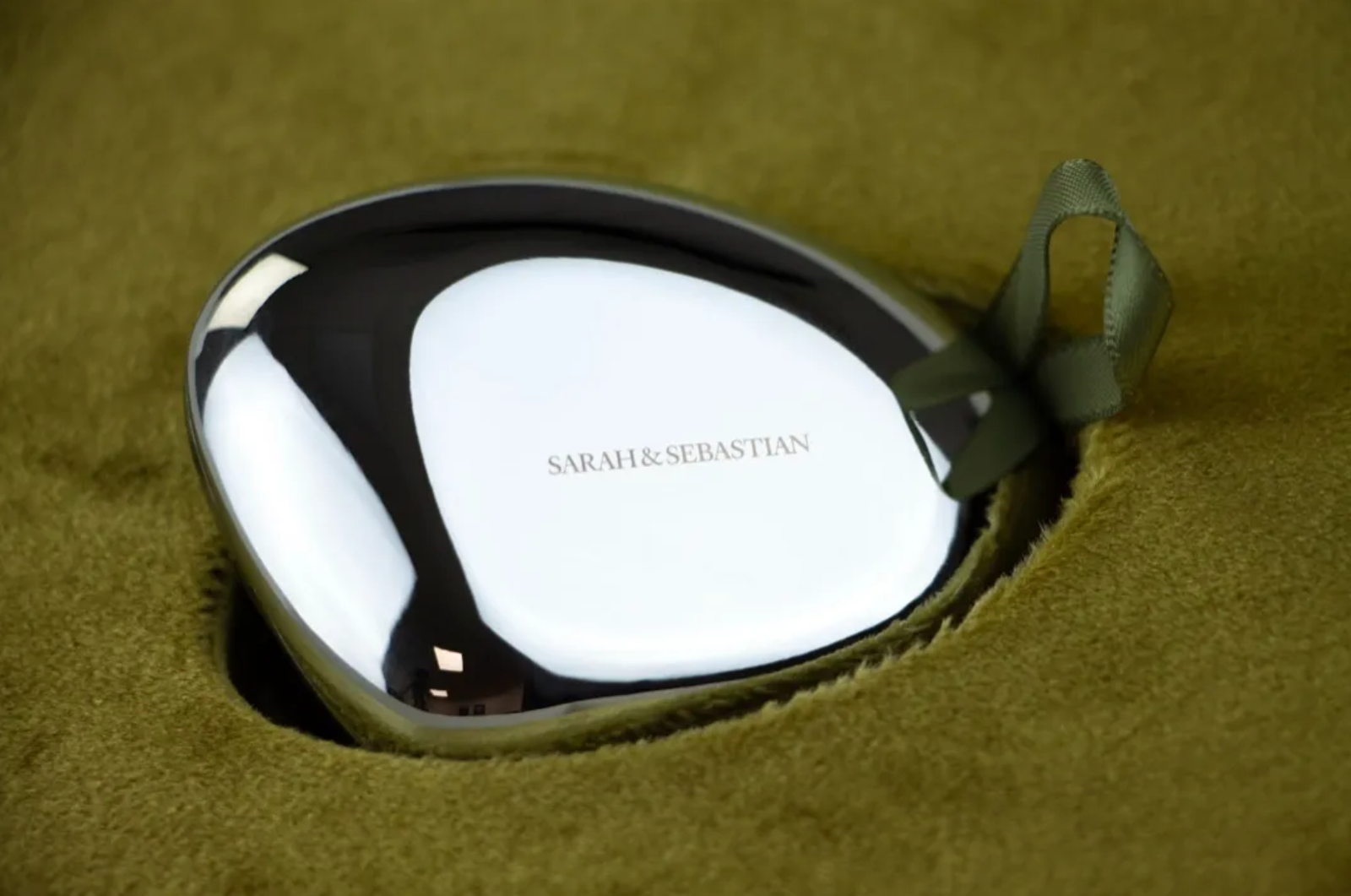
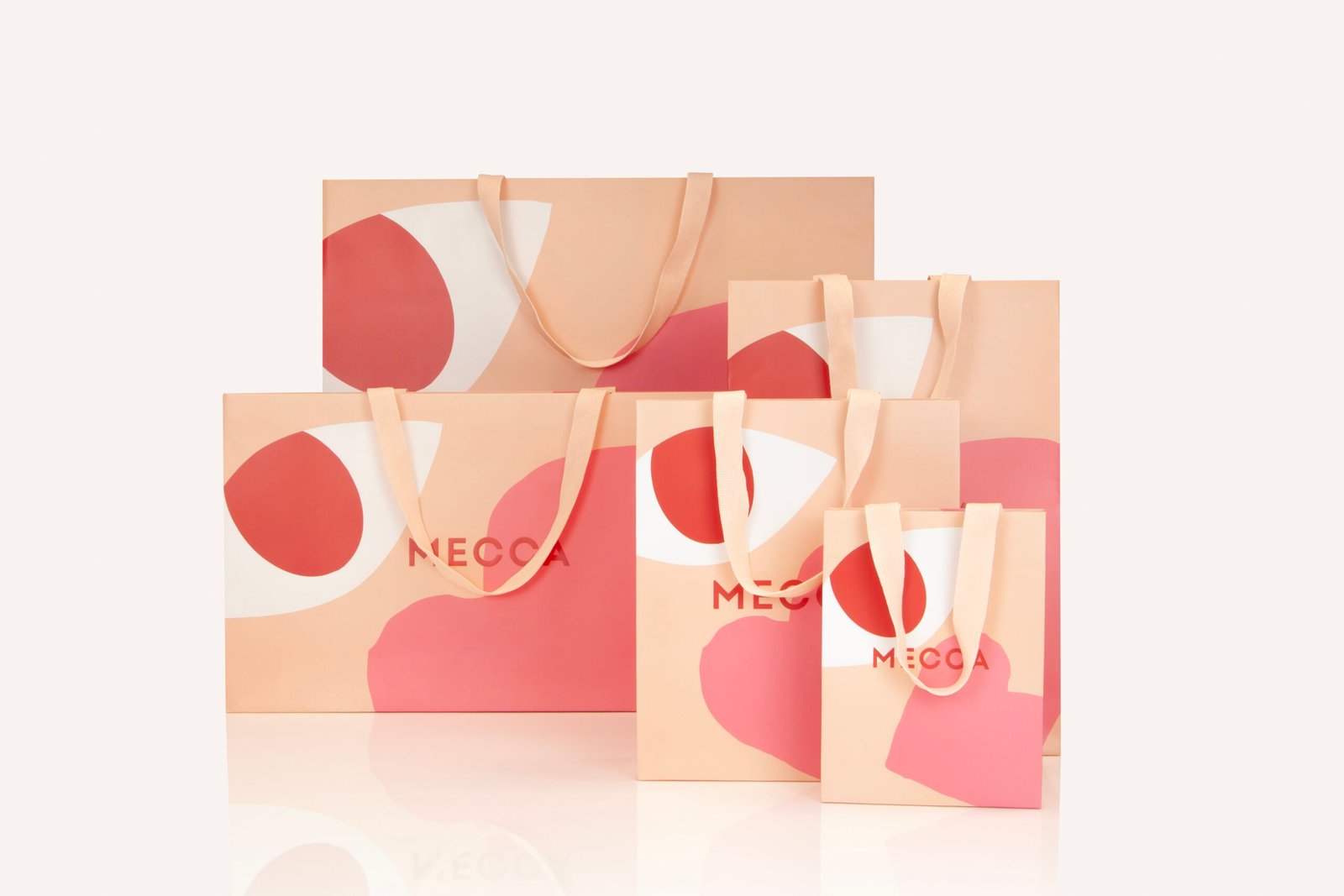
That perspective is perhaps unsurprising when viewed through the lens of his own journey. Lockyer founded Delta Global in 2007 after leaving a senior role in the packaging industry, a decision he once described as having made somewhere between leaving home and arriving at the office. The drive home, however, reportedly took considerably longer as he worked out how to explain the decision to his wife. Nearly two decades later, the company has grown into a global packaging business working with luxury fashion, beauty and lifestyle brands across multiple markets.
Yet despite the scale of the business, there was remarkably little founder theatre on display.
During his conversation with Huntington, Lockyer accidentally dropped a stack of cue cards onto the floor. They remained there for much of the discussion.
At the time, it seemed like a minor moment. In hindsight, it felt oddly revealing.
Many executives arrive armed with carefully prepared talking points, determined not to stray too far from the message. Lockyer appeared far more comfortable speaking from experience. The cards, it turned out, were largely unnecessary.
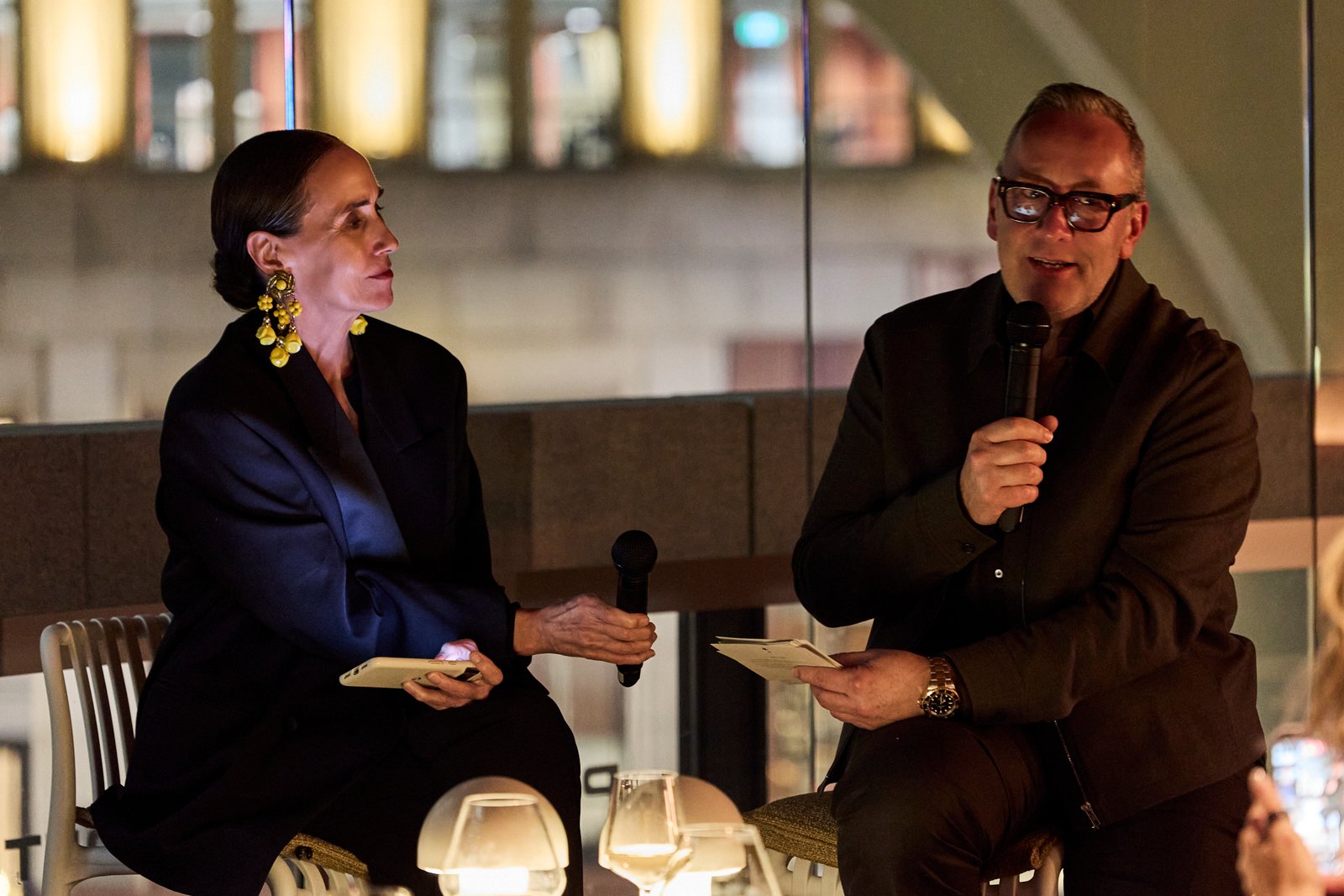
Throughout the evening, he displayed a self-deprecating humour that felt increasingly rare among founders of successful businesses. While clearly passionate about the subject matter, there was little sense that he was trying to convince anyone of his own importance. If anything, he seemed more interested in discussing the problems still left to solve than in celebrating the progress already made.
Huntington’s questions moved between Lockyer’s personal story, the realities of building a business, B Corp certification and the future of sustainable packaging. Yet regardless of the subject, the answers shared a common thread. Lockyer rarely spoke in absolutes. Successes were acknowledged, but so too were the challenges, trade-offs and areas still requiring improvement.
What became increasingly apparent throughout the evening was how closely he remained connected to every layer of the business. He spoke comfortably about manufacturing, material science, retail environments, logistics, forecasting, consumer behaviour and sustainability reporting with the sort of fluency that only comes from genuine immersion. There was little sense of an executive operating several steps removed from the realities of the business. Instead, he felt like an end-to-end operator, equally at home on a production floor as he would be in a boardroom. In an era of increasing specialisation, that breadth of understanding felt increasingly rare.
What followed was one of the more honest conversations about sustainability I’ve encountered in some time.