The whole electric proposition – at least as it has been marketed to the mainstream – is one of accumulation.
When the Mustang Mach-E first arrived, much of the conversation centred on what it wasn’t. To some, Ford had committed two unforgivable sins at once: attaching the Mustang name to an SUV, and replacing petrol with electrons. The reaction was immediate and, in many corners, predictable. But for those willing to look beyond the badge and the noise that inevitably accompanies any sacred cow being prodded, it became clear there was something more interesting taking shape. Not necessarily a Mustang in the traditional sense, but a genuinely compelling electric vehicle.
The irony is that much of the criticism arrived just as the electric car itself was entering a period of excess. More power, more range, more screens, more silence, more technology, which all means, paradoxically, more electrons. The modern EV offers endless possibilities, but it comes at a cost.
Brands compete on 0-100km/h times that nobody will ever use, in horsepower figures that exceed the output of yesteryear’s hypercars, and in battery packs that seem to grow with every new release.
It is, when you stop and think about it, a little backwards. The original argument for the EV was efficiency, to do more with less. Consume less. Be smarter. We have somehow ended up doing more with vastly more. And the cars themselves, for all their party tricks, have become curiously soulless. Numbed, sealed, sanitised, overdone, like expensive sensory deprivation tanks on wheels.
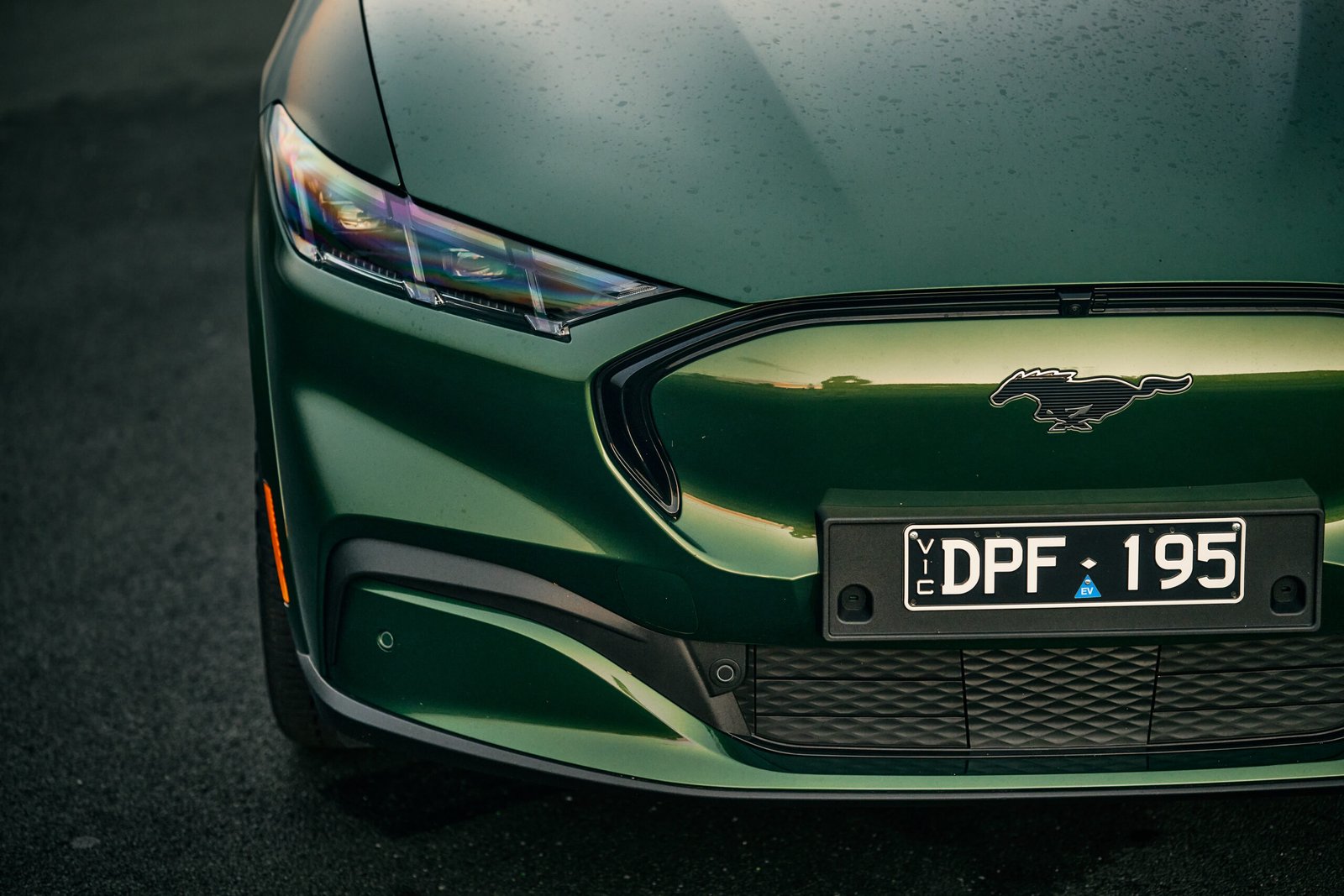
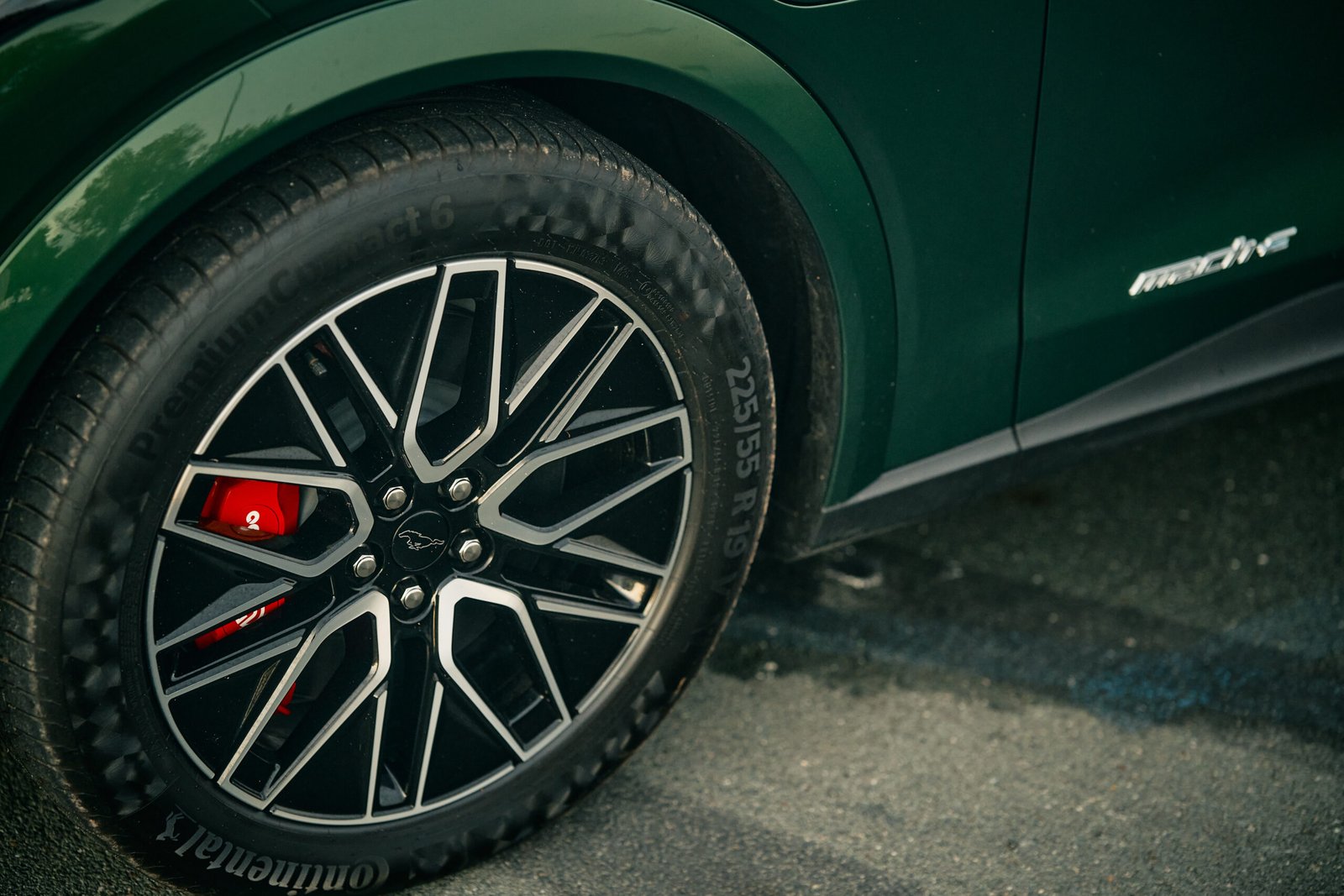
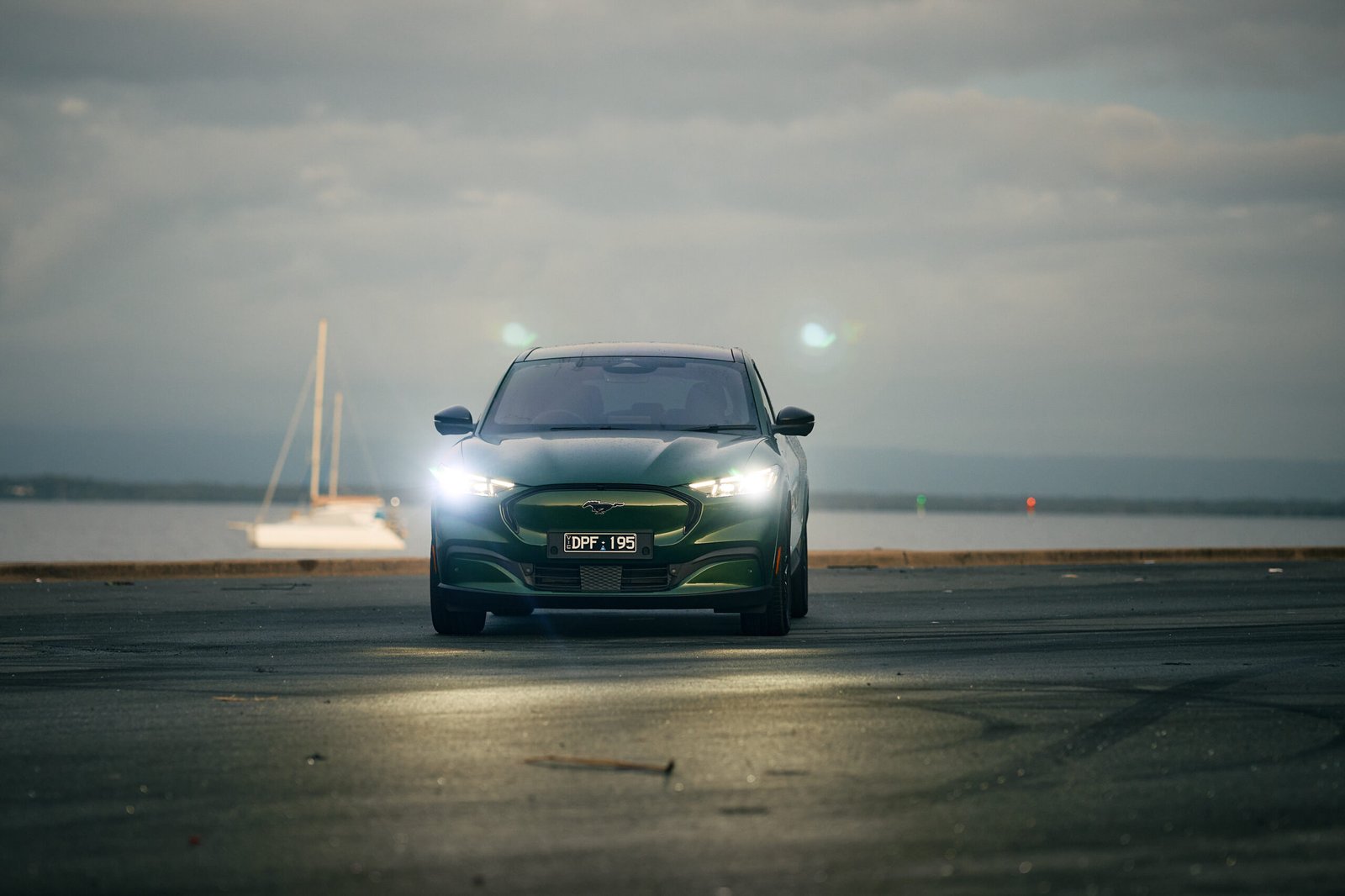
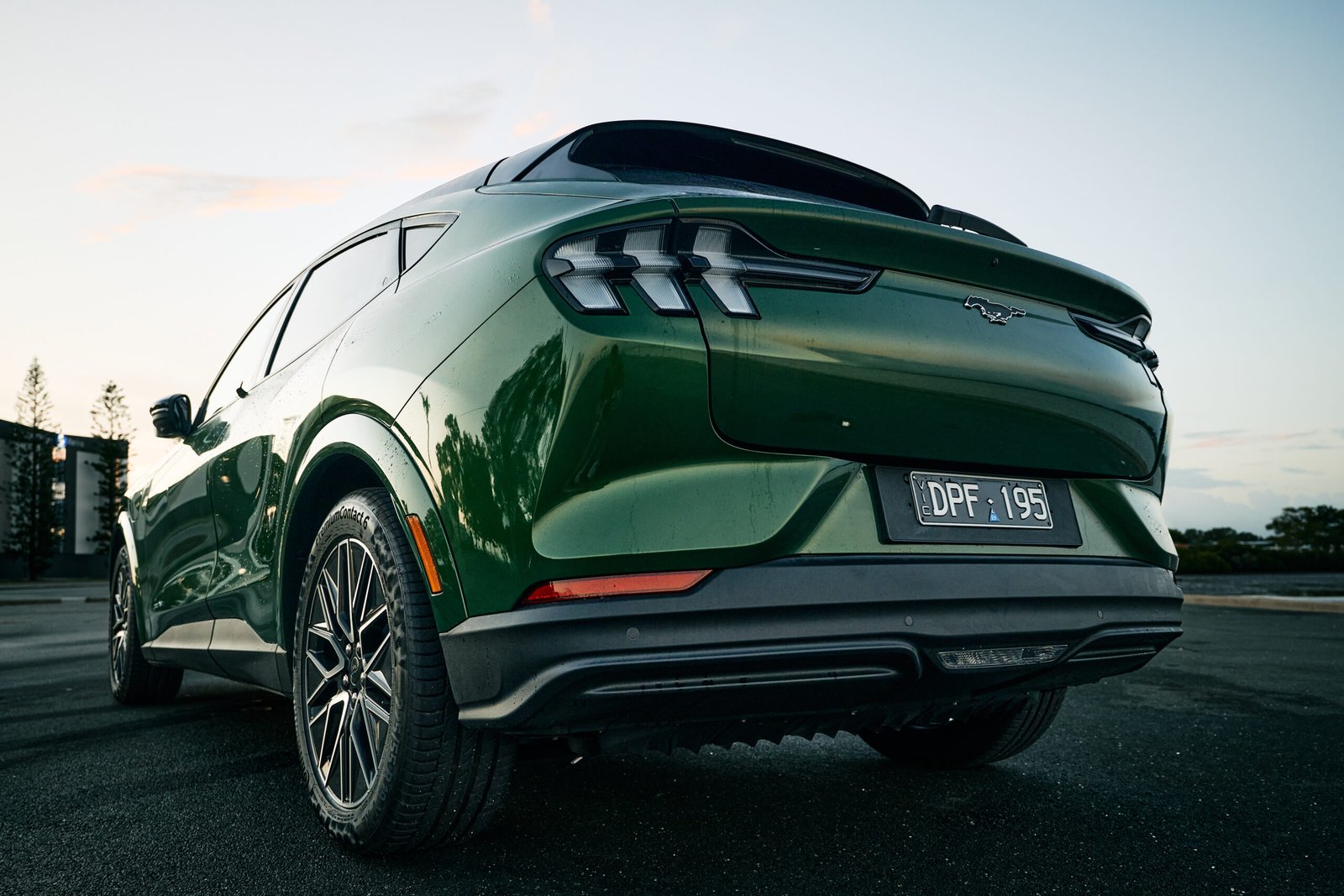
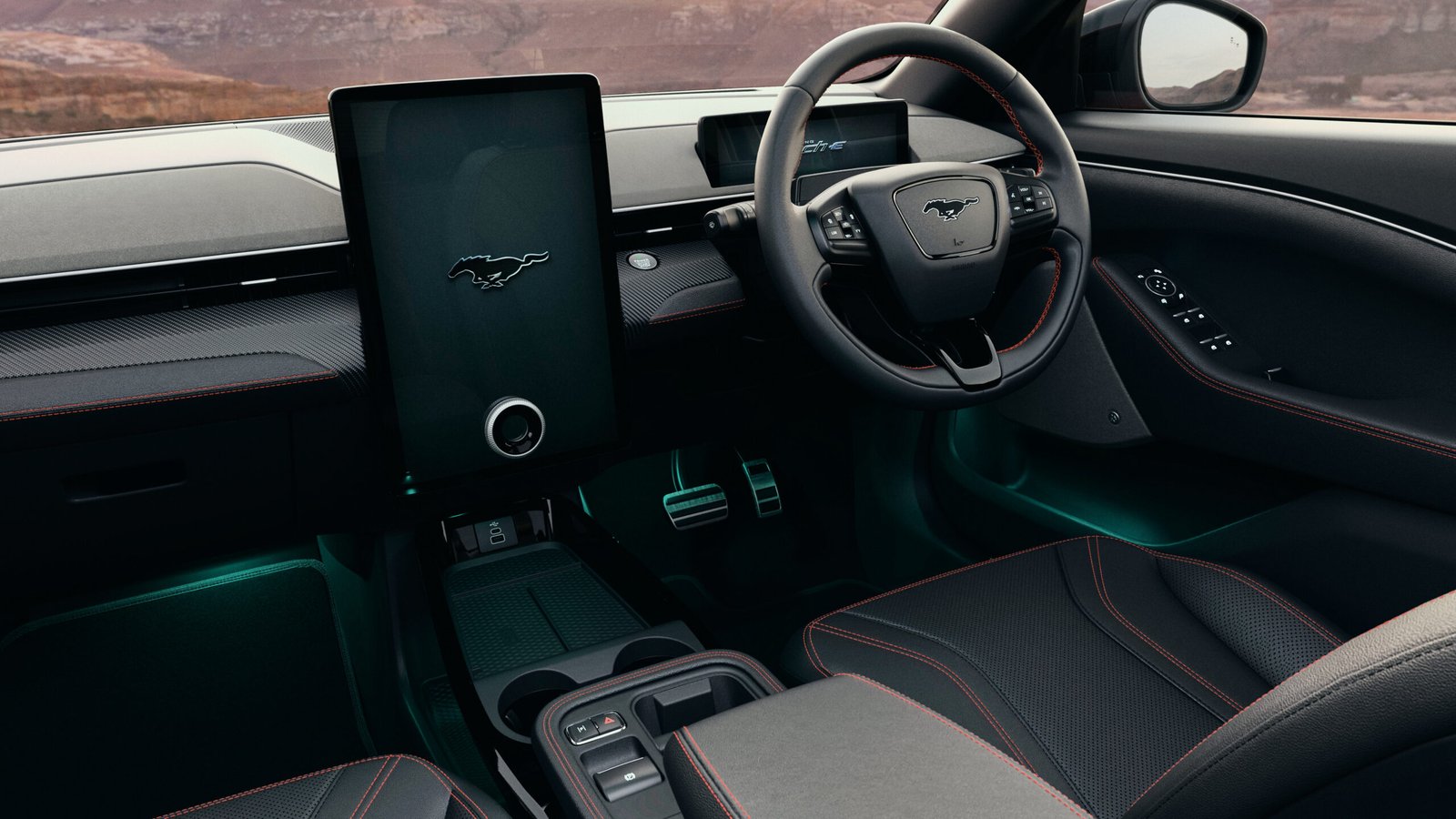
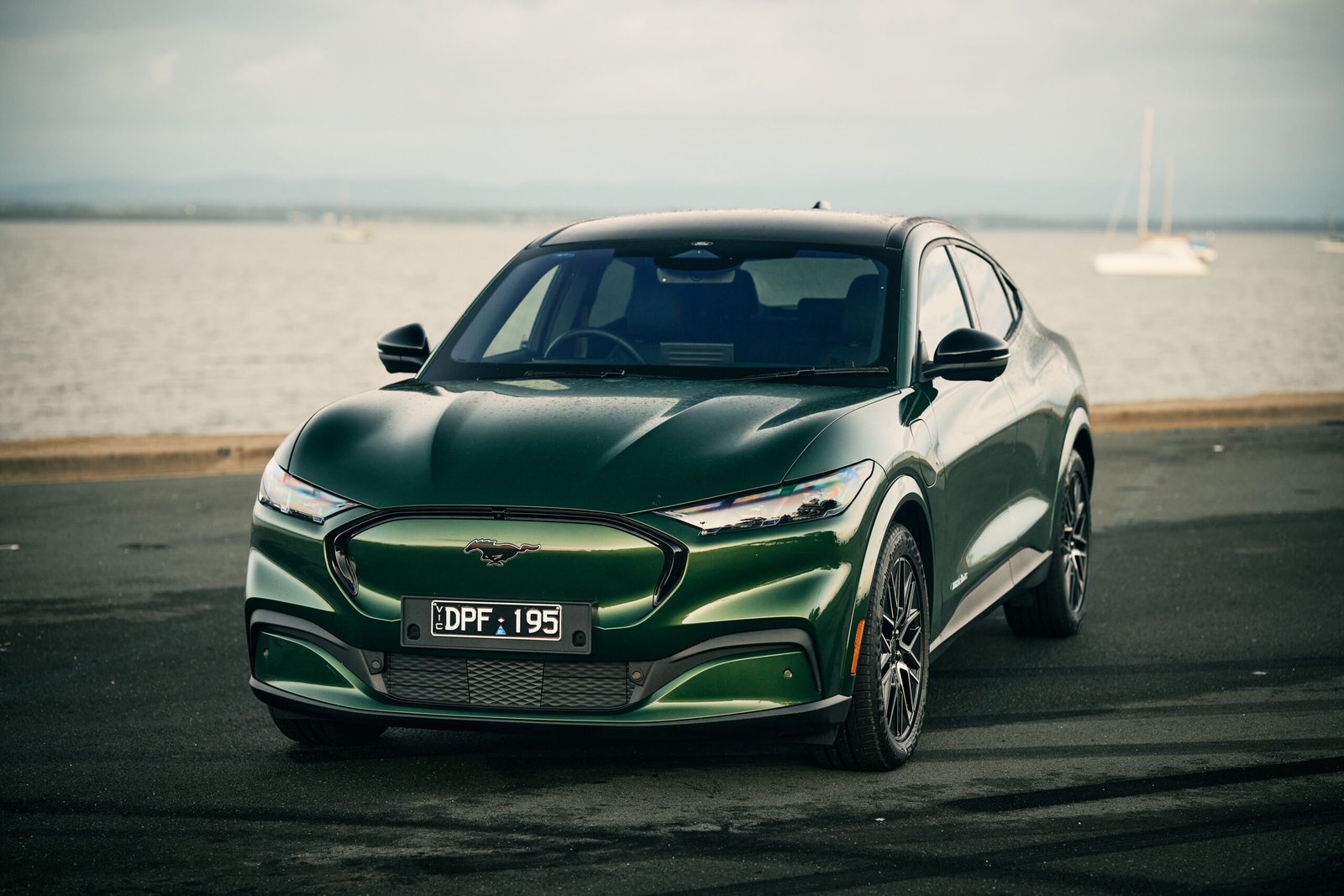
Which brings me to the Ford Mustang Mach-E Premium, and the considerably less interesting (but more expensive) Mach-E GT that I drove the week before.
I’ll save you the suspense. The cheaper one is better. Significantly so.