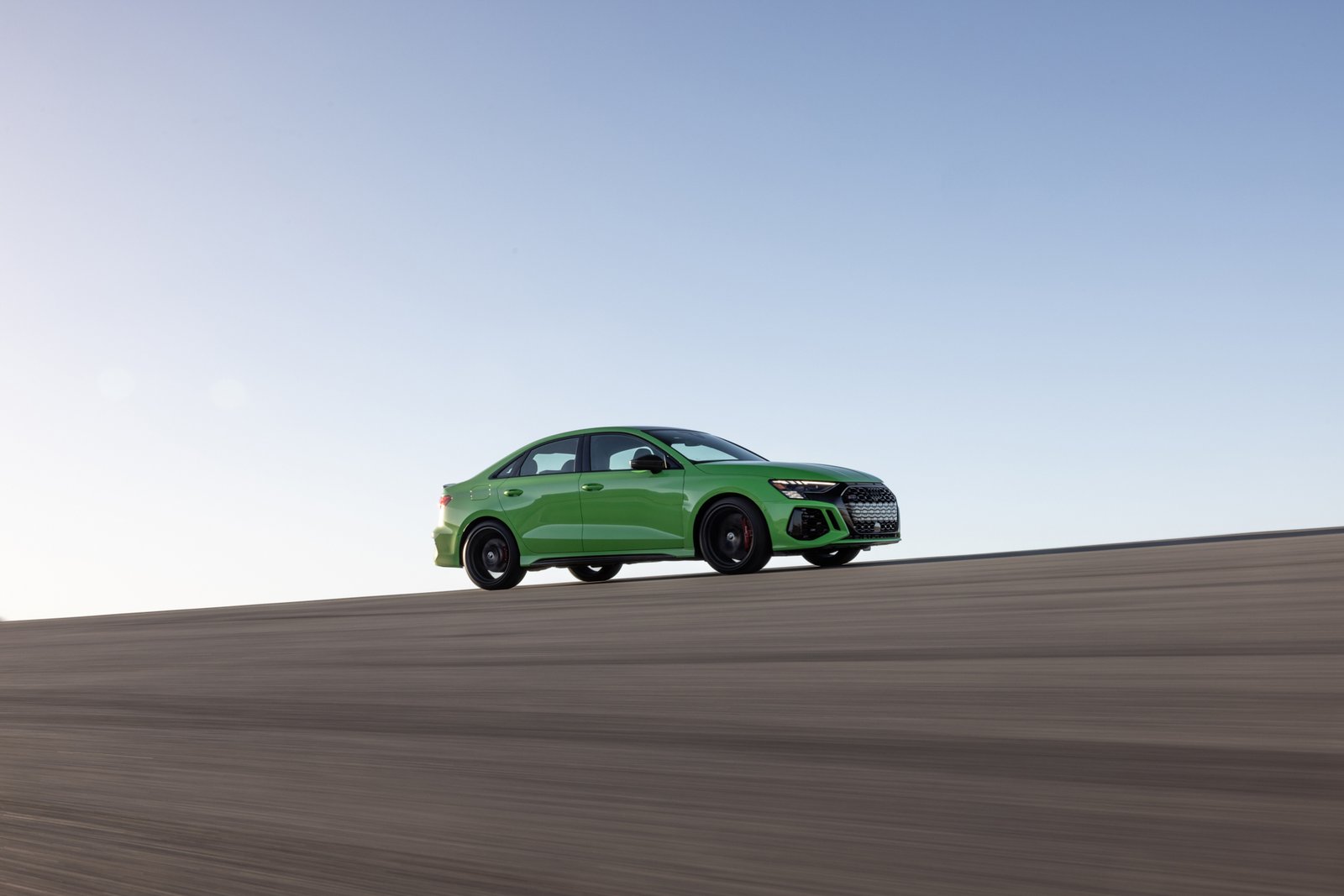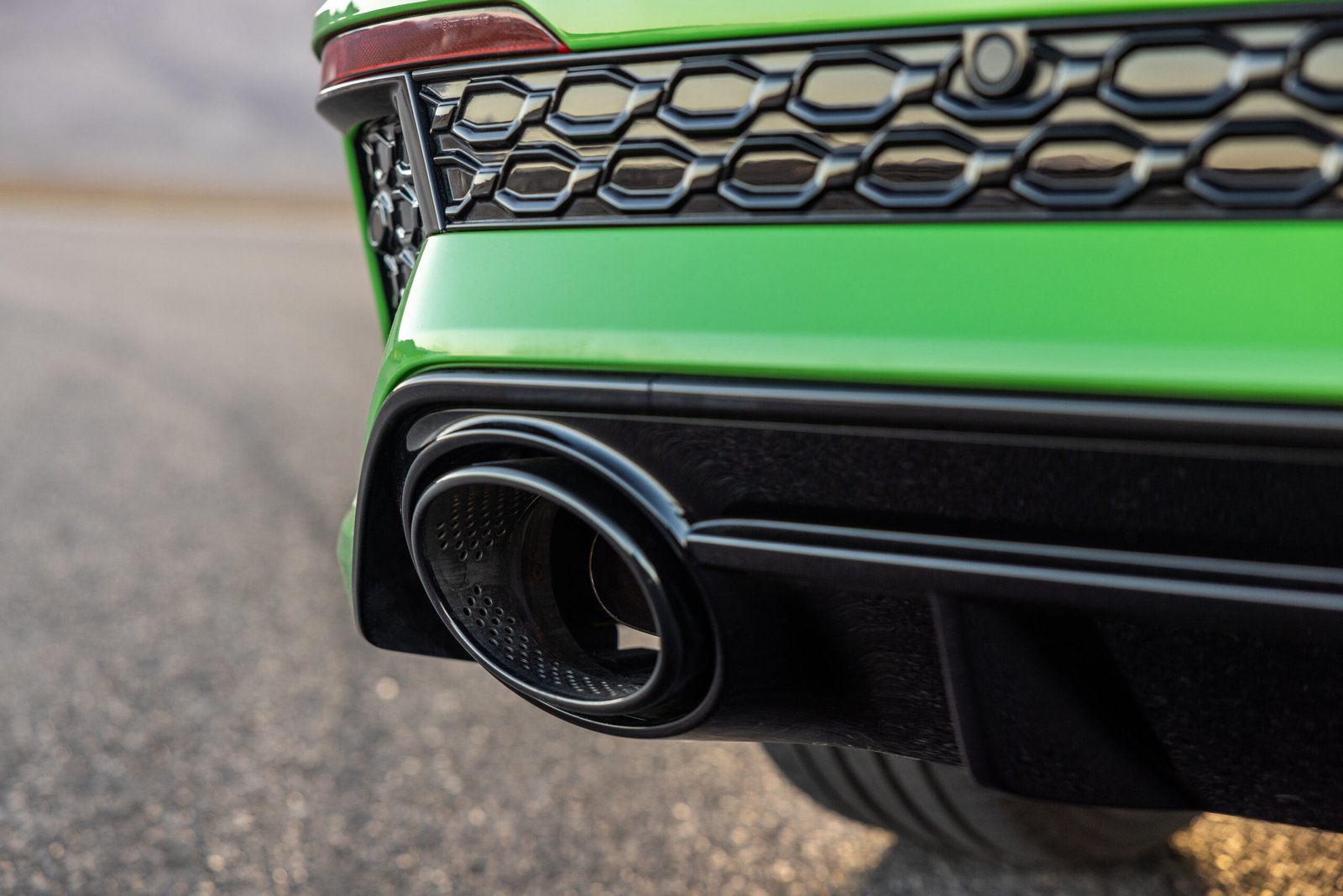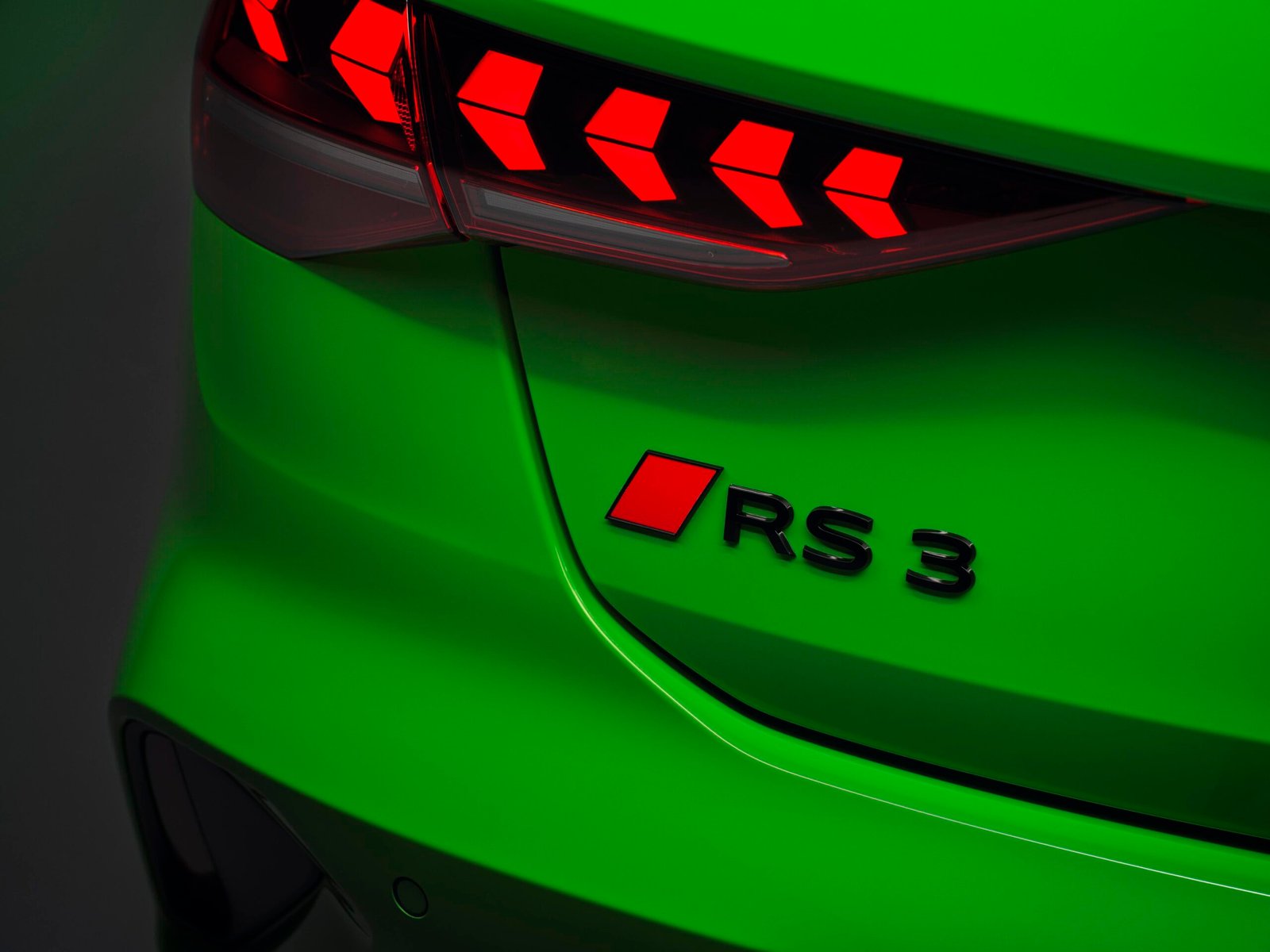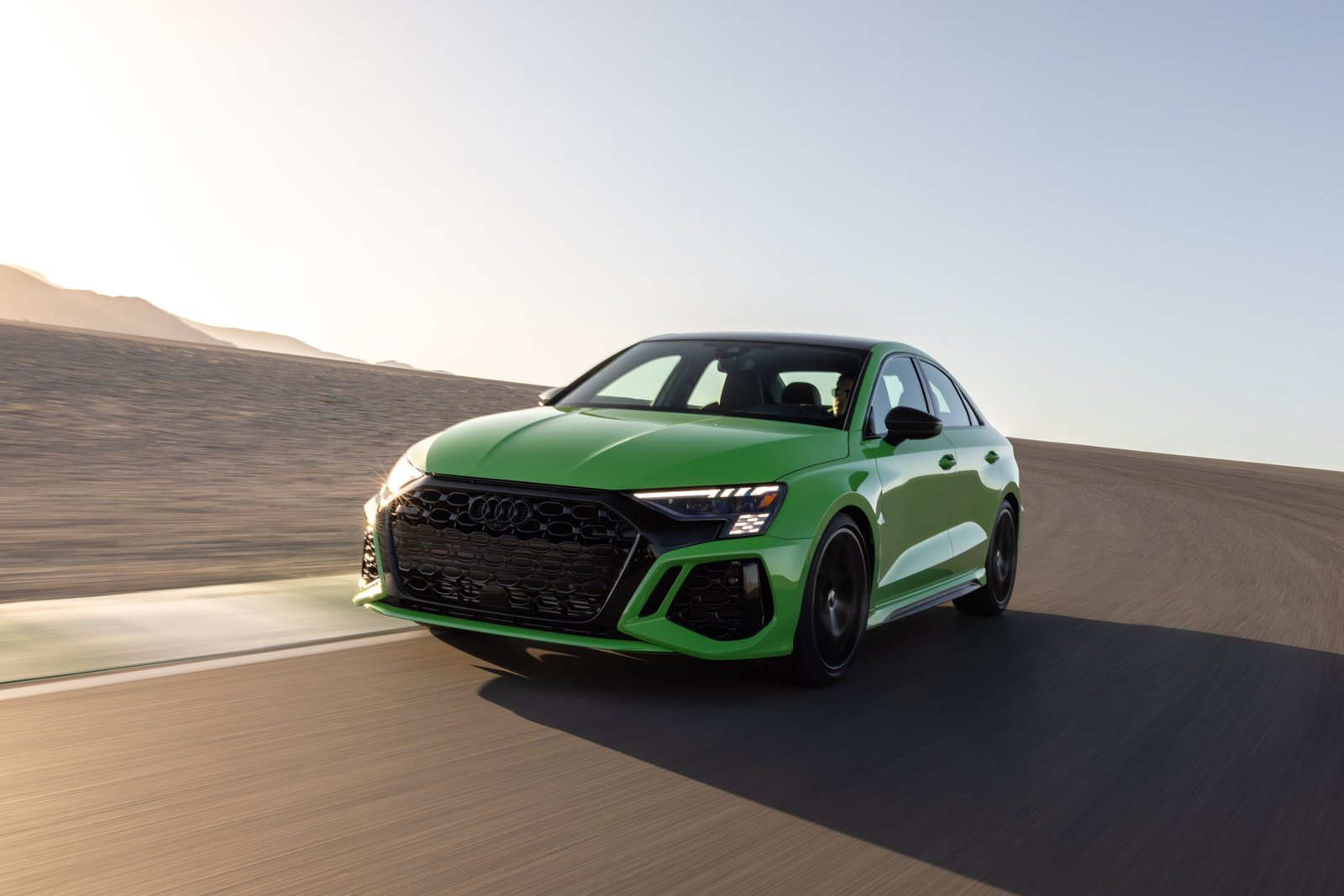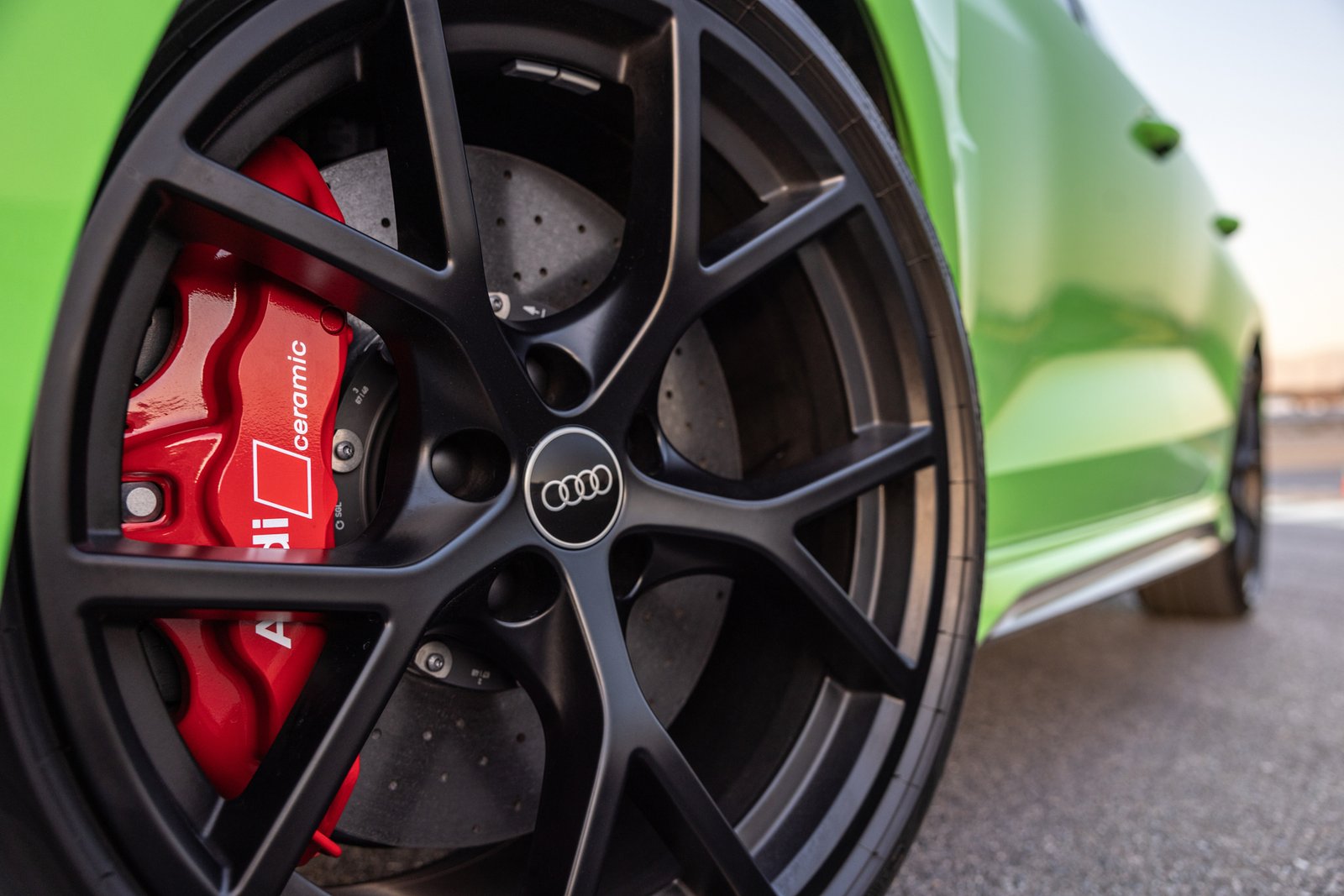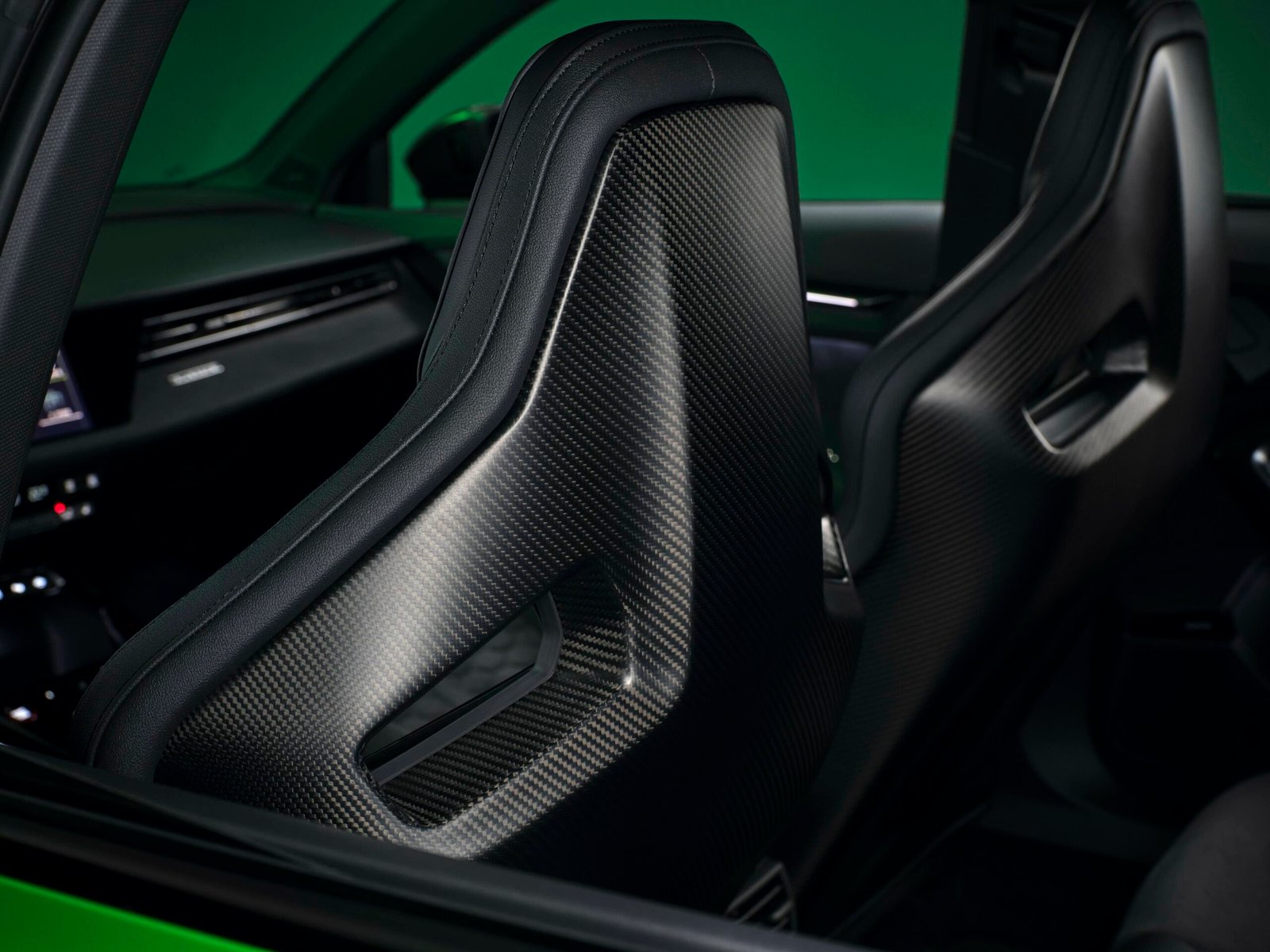
Sure, $110,000 is expensive for a compact sedan, sporty or otherwise. But the RS3 isn’t for people who buy on value, or logic, or any of the other normal metrics. Most who buy one of these will understand where it came from, as well as just how critically endangered it is in today’s world. It’s the heritage baked into the RS 3 that makes it special.
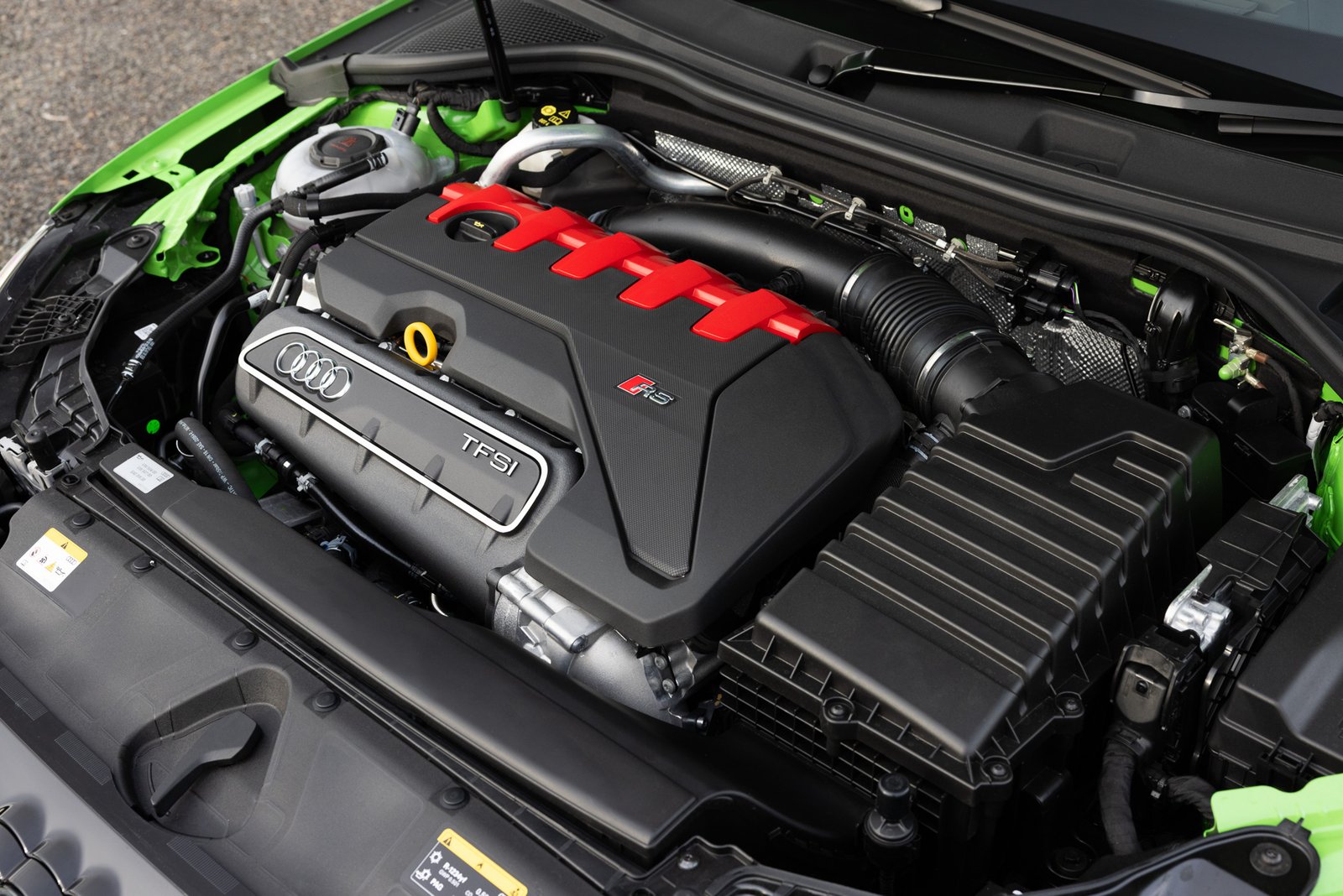
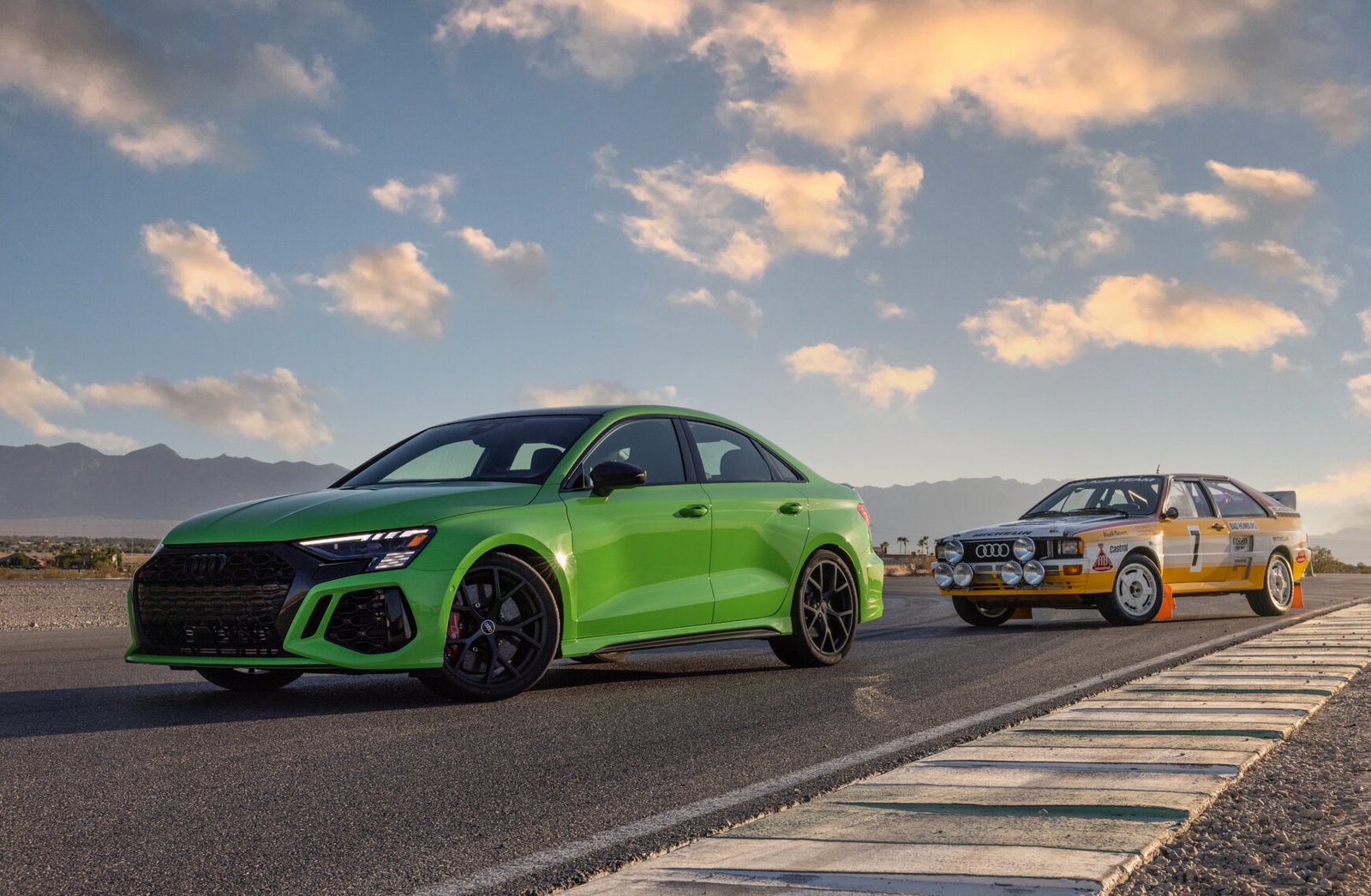
The slightly mad Audi Sport engineers in Ingolstadt have been perfecting their formula for a road-going rally car since the 1980s. It consists of this: a five-cylinder turbocharged engine, Quattro all-wheel drive, and a supercar-rivalling performance wrapped up in a relatively pedestrian package that could be – and very often was – daily driven. Early S/RS cars, like the S2 Coupe in 1990 or the RS 2 Avant that came a couple of years later, all had Audi’s famous five-cylinder engine. The unique configuration was debuted in the Audi 100 in 1976 but made famous by the Quattro of the early ‘80s, which was basically a road-going version of the legendary Group B Quattro S1. So, it’s a proven performer. It’s also one of the longest-standing engine lineages in automotive history, with Audi celebrating 50 years of the five-cylinder this year.
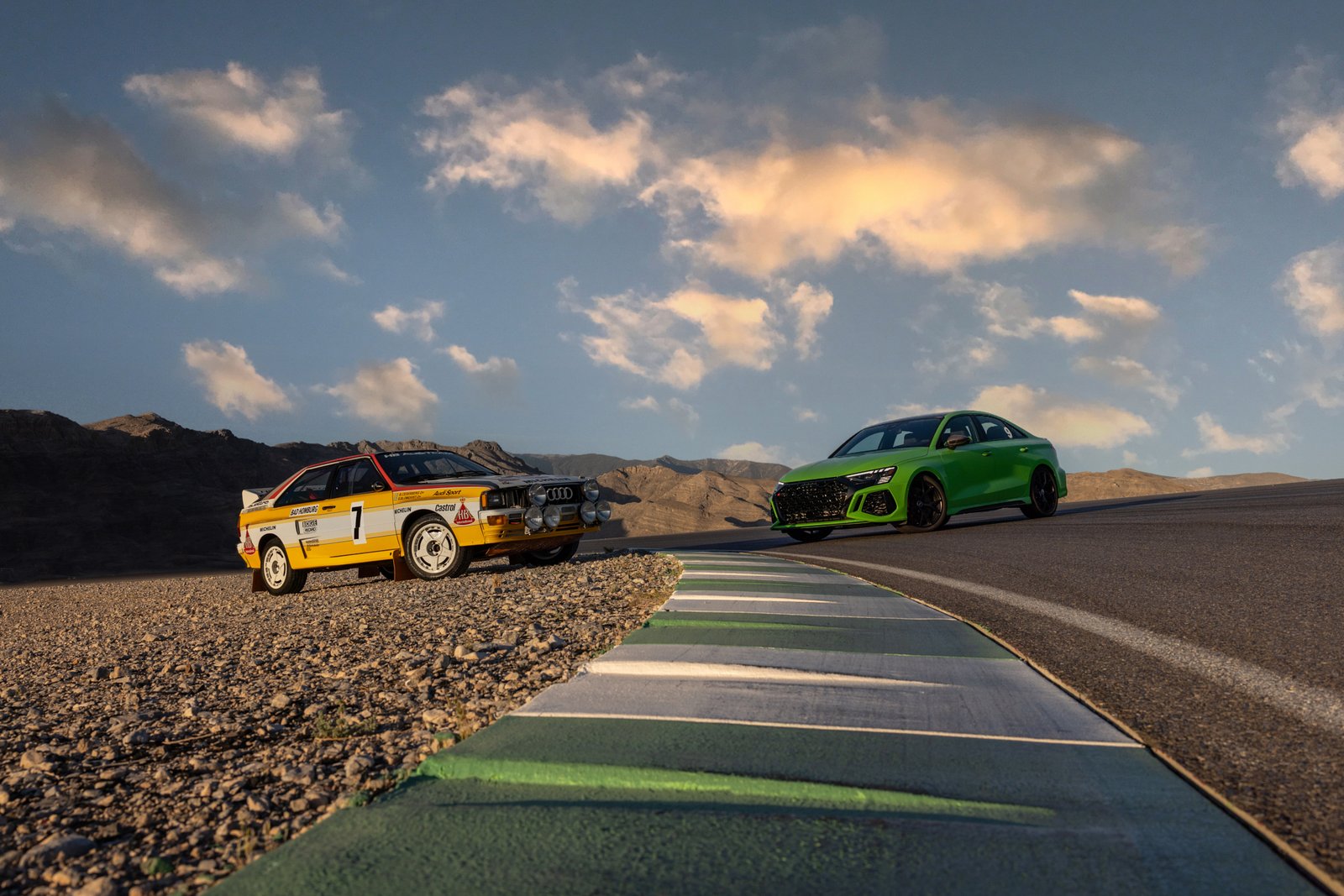
Of course, Audi’s performance models have had an array of engines since the RS 2 launched the Rennsport revolution in 1994. Alongside the five-cylinder have been V6s, V8s, even a V10, and most have been force-fed by turbochargers, as is the Audi way. The RS car is changing, though.
The new RS5 is a hybrid. I’m told by colleagues that the new system is very good, but that doesn’t mean it isn’t a drastic detour from what these models have long stood for. The fastest RS car now, the e-tron GT Performance, is fully electric, which is fine, but its Porsche Taycan Turbo S twin-under-the-skin is faster. Then there’s the RSQ8, which is outrageously fast, but it’s a hulking SUV, and its Lamborghini twin-under-the-skin is also faster. I understand that the new wave of hybrid and electric performance cars are faster than ever, use less fuel, and are probably just flat-out better. But I’d argue the RS 3 is the penultimate evolution of the RS car, based on what it set out to achieve when the RS 2 set the wheels in motion. Come to think of it, it’s probably the last evolutionary adaptation of the formula the original Quattro introduced.
So endangered is the RS 3, we’ll soon be one of the only countries to get it. It’s being pulled from the European market early next year because its brilliant five-cylinder engine falls short of updated emissions rules. Audi Australia has confirmed it’ll live on here until at least mid-2028, but that gives you a little over 12 months to buy one. It isn’t just special because of what it stands for, though. It’s very, very fast. Effortlessly fast, in the hands of almost anyone, skilled or otherwise. While its closest competitor, the BMW M2, is a scalpel that’s quick with a skilled driver at the helm, the little RS car turns anyone into a record-setting driver…almost.
When the current-generation RS 3 launched in 2024, it set the production car record around the Nurburgring, dispatching the treacherous 20km loop in 7:33.123. The only compact car that’s faster today is the M2 CS, which is effectively BMW’s track-focused M2 variant. That’s a $172,900 (before on-roads) car, mind, and I’d argue few drivers will wheel it like German racing driver and M Division test engineer Jörg Weidinger did when he set the record. Mortals like you or I will be far quicker in the RS car.