Em Jensen and the Art of Looking Twice

White

Em Jensen and the Art of Looking Twice

25 November, 2026

Words by:

Justin Jackie

From Melbourne's music scene to the vast landscapes of Broken Hill, photographer and journalist Em Jensen has found a new perspective on regional Australia, and the extraordinary lives hiding in plain sight.

Em Jensen is the kind of person who’s fascinated by sunlight falling across the tiles of a bar, or the way it catches the corrugated iron of an old shed. Things most of us might walk past without a second thought can stop her in her tracks, much to the amusement of whoever happens to be accompanying her.

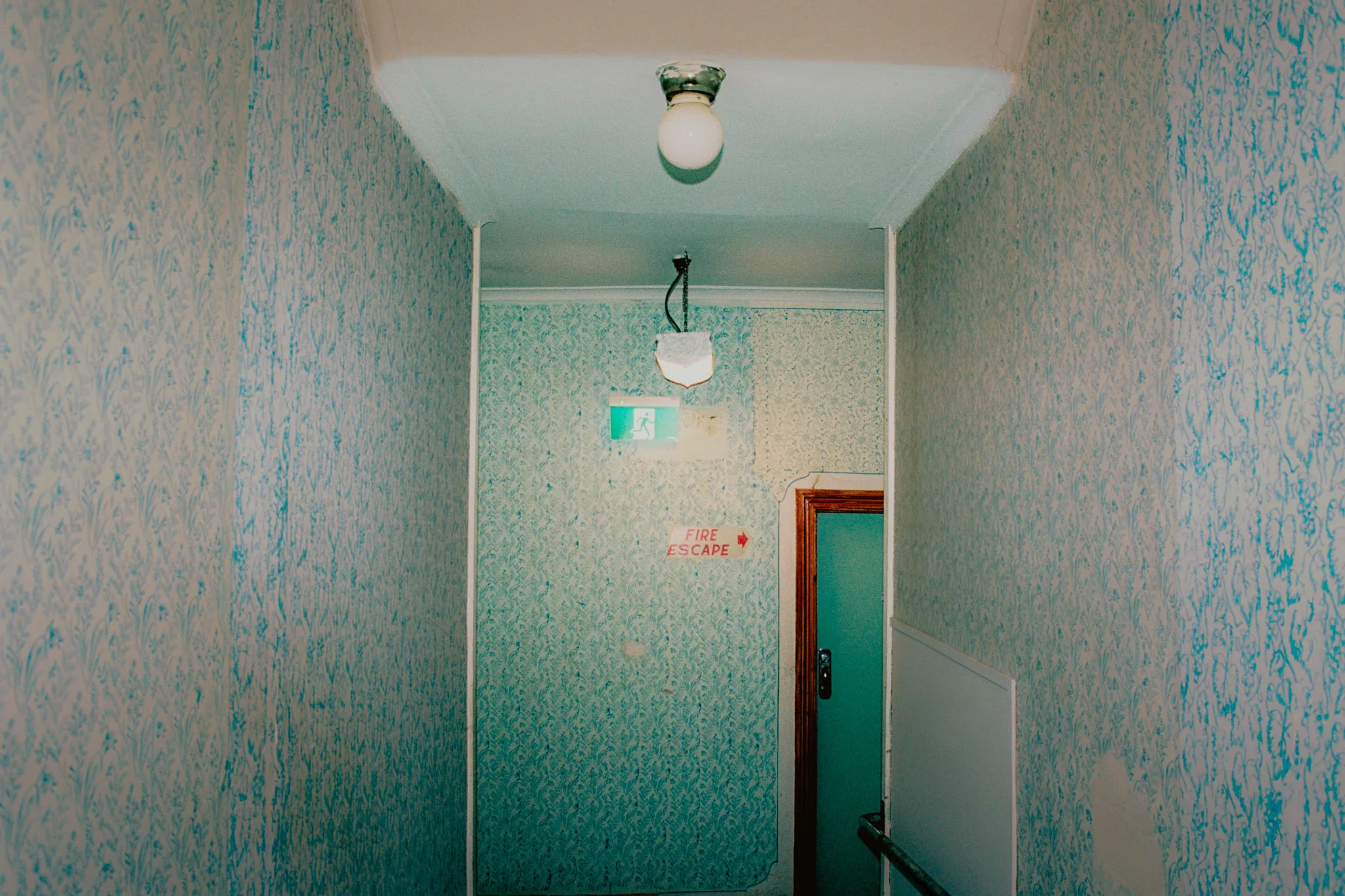
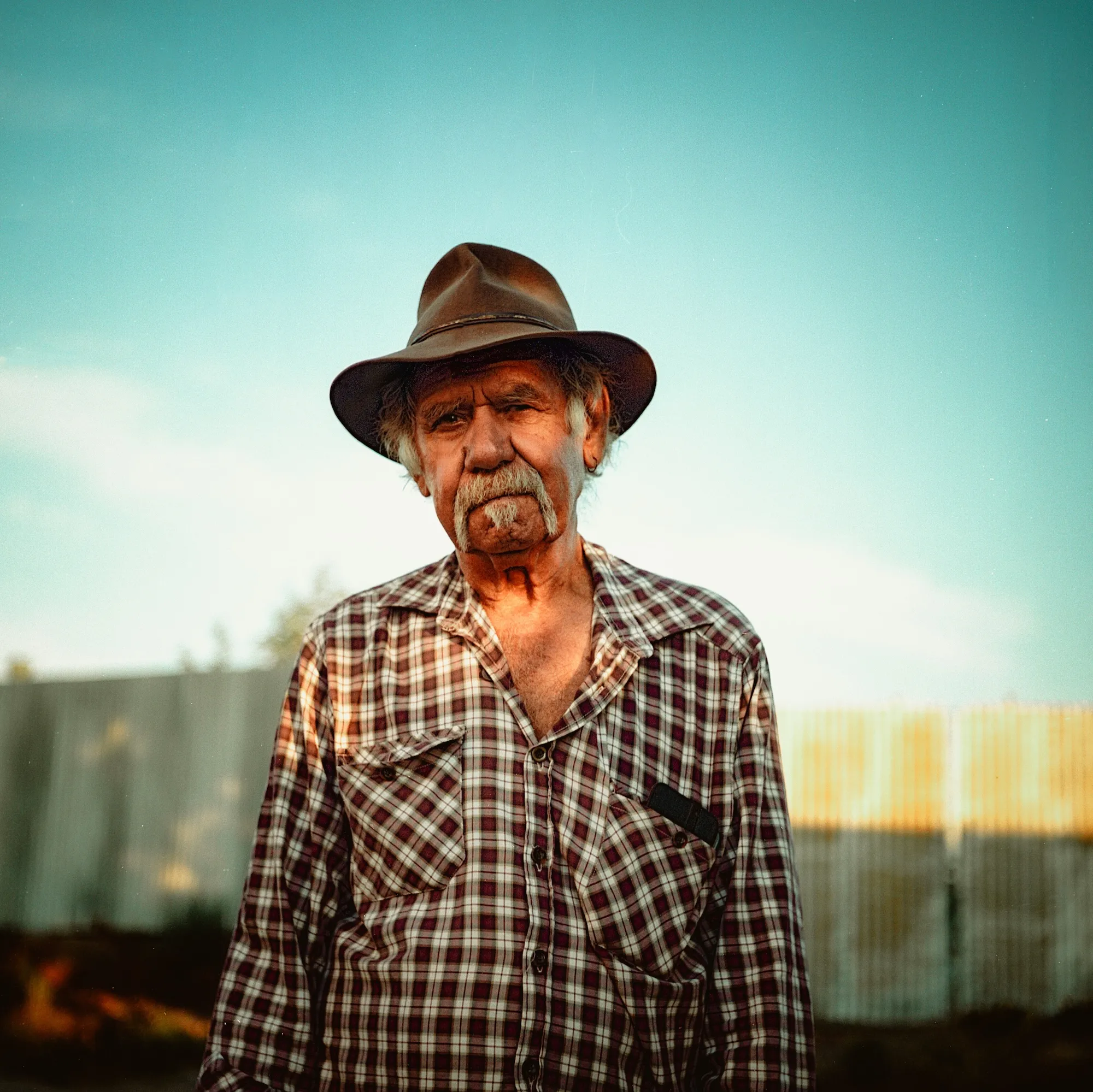
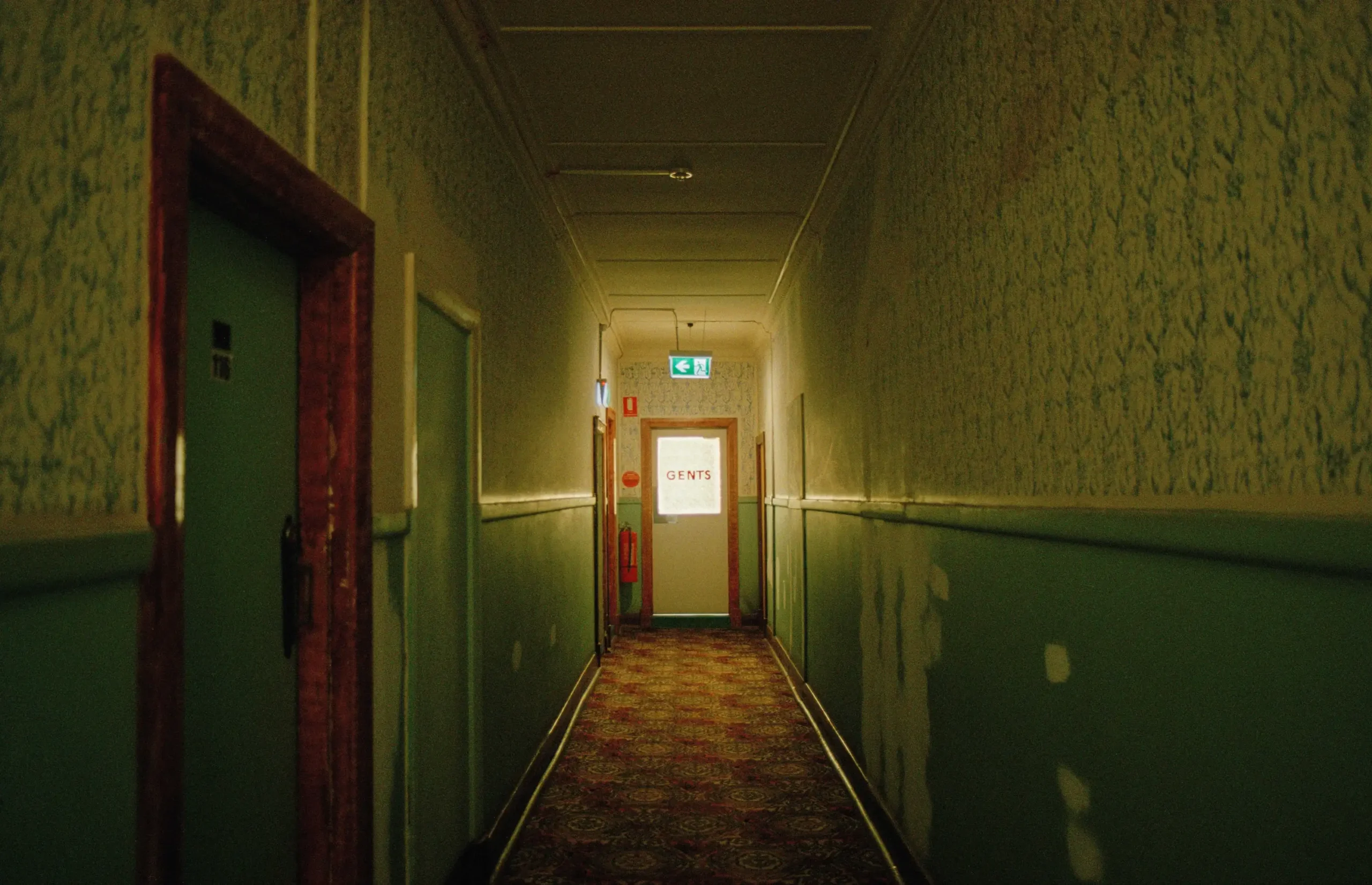
It’s a quality that has served her well as a photographer, particularly since trading Melbourne for Broken Hill, where she’s spent much of the past three years documenting the people, landscapes and peculiarities of Far West NSW.

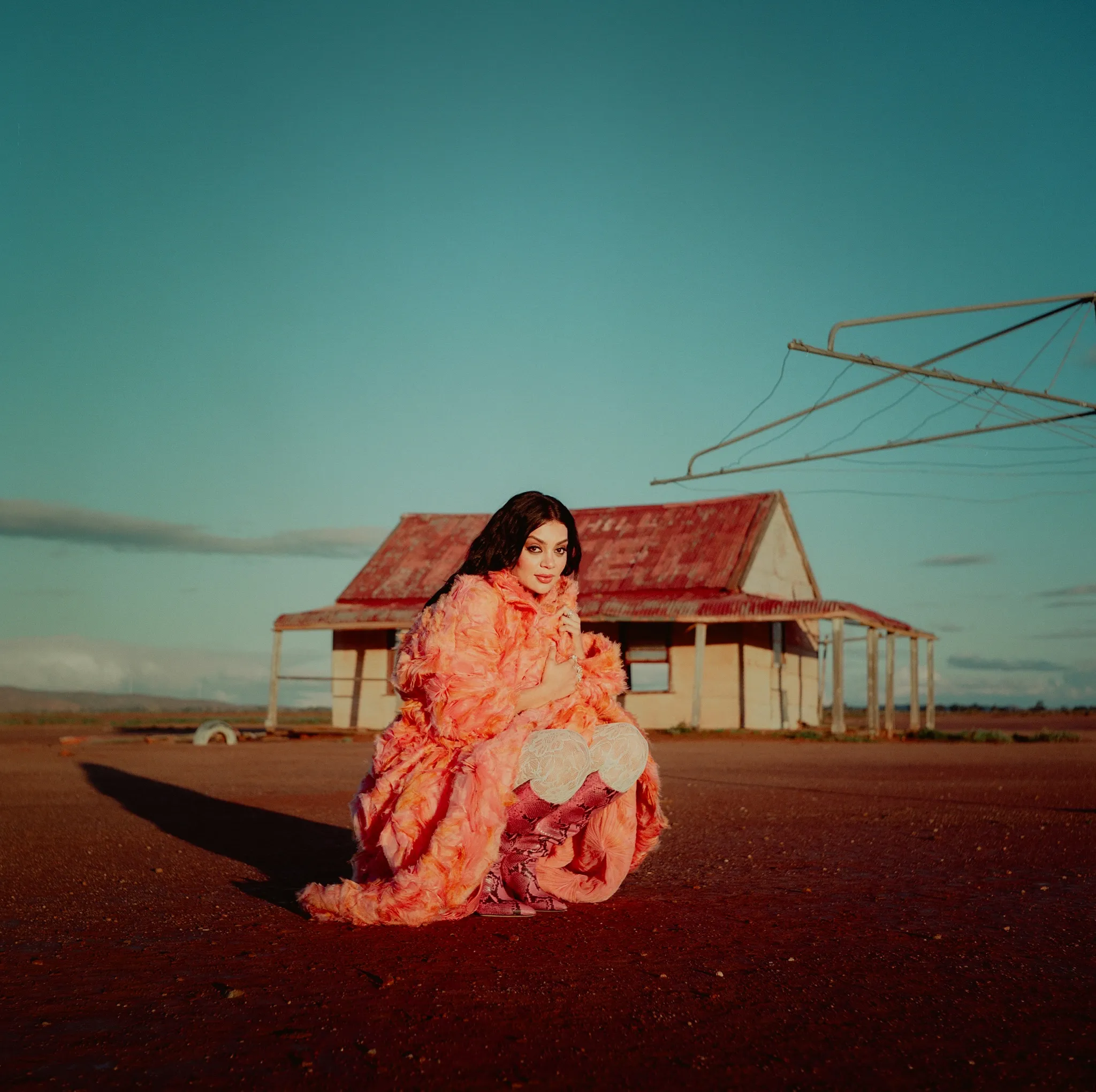
Jensen grew up on the south coast of Western Australia and spent much of her adult life in Melbourne, photographing musicians, fashion and commercial campaigns. A spontaneous road trip to Broken Hill in 2019 sparked a fascination with the outback that eventually led her to relocate. These days, she works across journalism and documentary photography, with her portrait of musician Thelma Plum winning the People’s Choice Award at the 2025 National Photographic Portrait Prize.

But it’s Jensen’s relationship with regional Australia that I find particularly interesting.

Having grown up in Tamworth, I’ve often found that returning home gives me a renewed appreciation for things I barely noticed growing up. There’s a tendency to normalise the extraordinary when it’s part of your everyday surroundings. Jensen approaches this from almost the opposite direction. She didn’t grow up in the outback, but deliberately chose to make it her home, retaining a fascination with its unfamiliarity while gradually becoming part of the community.

It’s an interesting position for a documentary photographer. Too much familiarity can make the remarkable seem mundane, while too little can reduce a place to a collection of aesthetic curiosities. Jensen seems to occupy a space somewhere between the two.

She’s also wonderfully candid, curious and refreshingly free of pretension. Our conversation meandered from country pubs and old stockmen to fashion photography, regional arts funding and the difficulties of developing film in a Broken Hill summer.

And, as it turns out, her arrival in the outback was anything but conventional.


Let’s start with Broken Hill. You spent years in Melbourne before making quite a significant move. What initially drew you to the outback?

I grew up on the south coast of Western Australia, by the beach, and then moved to Melbourne. I loved the city, but it wasn’t really the pace for me. I’ve always been into camping and road trips.

In 2019, I was going through a breakup and thought I’d just run away to the outback. I looked at a map, saw Broken Hill and thought it was probably the nearest outback I could get to from Melbourne. So I drove out here and absolutely loved it.

I started coming back every year, making friends and spending more time here. Eventually, I applied for an exhibition at the local gallery and got it. I realised that if I wanted to do a photographic series about Broken Hill, I couldn’t really do it while living somewhere else. I needed to immerse myself in the place.

I also applied for a job at the Barrier Daily Truth and got it. But on the day I was supposed to start, the newspaper went into administration. They called and told me not to come in, and suddenly I was in Broken Hill with no job, no friends and nowhere permanent to live.

My family was telling me to come home, but I’d told everyone I was moving to the outback. I couldn’t just turn around and go back to Melbourne. I had to stick it out.

Your photography career started well before Broken Hill, though. How did you originally find your way into it?

I got into photography when I first moved to Melbourne, about thirteen years ago. I was going to a lot of gigs, and at the time I was dating a musician.

Every time I went to a show, people would introduce me as so-and-so’s girlfriend. I got sick of being the girlfriend and wanted something of my own to contribute. So I started bringing a camera along.

It’s such a classic Melbourne way of getting into photography. You take your camera to a bunch of gigs, people start asking you to photograph things, and it grows from there.

I photographed music for a couple of years and then got into fashion. I had a few different side businesses going, but photography was always my main thing throughout the ten years I lived in Melbourne.

You have a great cast of characters throughout your portfolio. Given your background in music and fashion photography, do you think there’s a connection between those more theatrical subjects and the people you’re drawn to photograph in the outback?

I’ve actually never thought about the connection between my fashion and music background and the people I photograph now. That’s interesting.

I think what’s different about the outback is that so much of it is completely unfamiliar to me. I didn’t grow up in a farming or pastoral community, so when I arrived here, everything was new.

I remember going to a pub near the Queensland border and asking people whether they lived on farms. They told me there weren’t farms around there, they were stations. I didn’t even know that distinction.

There were so many things like that. I’d hear stories about old stockmen or people who’d spent months mustering alone in the bush, sometimes from when they were children. To someone who grew up here, that might just be normal life, but to me it was absolutely fascinating.

That’s often how I find people to photograph. I’ll be chatting to someone and they’ll mention another person who’s done something incredible, and I’ll just follow that thread.

I grew up in Tamworth, and I often think people in regional areas can normalise some pretty extraordinary things. Sometimes it takes leaving and coming back to appreciate them. How do people respond when you want to photograph something they’ve never considered particularly interesting?

It’s funny because a lot of the time people will say, “Me? But I haven’t done anything.”

They genuinely don’t realise how incredible their stories are. You photograph them or tell their story, and suddenly they’re seeing themselves in a way they hadn’t considered before.

Sometimes they’re surprised that anyone would be interested, but then other people respond to the photographs and stories, and they realise there is something there.

I think that’s why I’m so passionate about telling stories from out here. Historically, these experiences haven’t been shown to people living in the cities nearly enough. There’s still a lot of mystery surrounding the outback.

Sometimes I wish I’d grown up here and had the skills people develop living on the land. I’ve never even ridden a horse! But at the same time, I feel really lucky that I didn’t grow up here, because it’s all still magical to me. Everything is still interesting.

Your photographs have a distinctive visual language, particularly in their colour, nostalgia and sense of place. Is that something you’re conscious of, or do you tend to photograph whatever instinctively catches your eye?

I mostly just wing it!

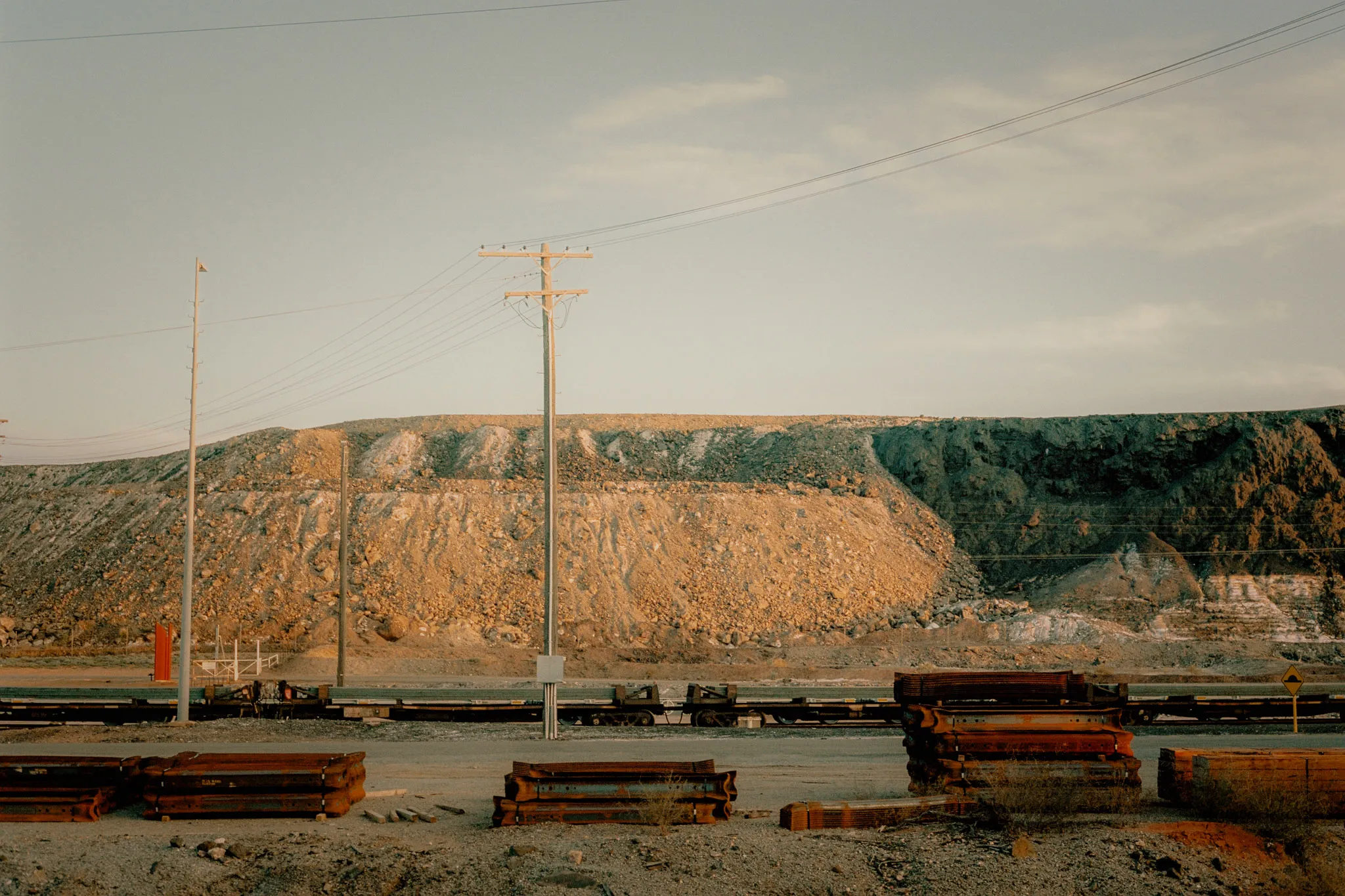
Everything out here is still so beautiful and interesting to me that I don’t feel like I need to stage much. I’ll be looking at the light falling on an old corrugated iron shed, thinking it’s incredible, and someone else will be wondering what on earth I’m talking about.

I’ve always been like that. Even when I lived in Melbourne, I’d be in a bar and notice the way the light was falling across the tiles on the floor. Whoever I was with would think I was a freak for noticing something like that.

But I do think my background in fashion and music influences my photography. I learned to shoot in those environments, so there’s always going to be something slightly stylised about the way I approach documentary work, even when I’m not consciously trying to do that.

And I definitely love nostalgia. I’m obsessed with the sixties and seventies, the music, fashion and everything about that period. Sometimes I wish I’d lived through it. I think that’s quite obvious in my photographs.

Shooting on older cameras contributes to that aesthetic too, but often it’s just what I’m naturally drawn towards.


You work across both film and digital photography. How do the two fit into your practice these days, and what’s it like developing your own film in Broken Hill?

I started out shooting both digital and film, but when I was working commercially in fashion, everything needed to be digital because the turnaround was so quick.

Now that I’m working as a journalist, I generally shoot digital for work and try to keep film for my personal projects. It creates a bit of separation between the two.

I love all kinds of photography, but film really feels like my passion. If I’m working on something I particularly care about, I’ll usually want to shoot it on film.

For colour film, I send everything to a laboratory in Kyneton. But I develop black-and-white film myself in a little bathroom at the back of my house.

I’m actually terrible at developing. I’m not a science-minded person at all, so I’ve ruined plenty of negatives.

And the bathroom is outside, separate from the house. In summer it can get incredibly hot, which is a problem when you’re trying to keep all your chemicals and water at the right temperature. Sometimes it’s almost impossible.

You end up having to work around the weather and the time of day. That’s just another part of living out here.

You now work across journalism and photography. Do you find yourself approaching those disciplines differently, or have they gradually become part of the same practice?

They started as quite separate things.

Before I moved into documentary photography, I’d been involved in environmental activism. At one point I was working so much in fashion that I started questioning what I was doing and how far I’d moved away from my values.

Documentary photography seemed like a way to get back to telling real stories about things I cared about.

But because I’d come from fashion and music, my documentary photographs were still quite stylised. There was a lot of creative consideration involved. I wasn’t necessarily approaching things in a completely raw or observational way.

Over time, the two have started to overlap more. A lot of my photographs come from documentary assignments, and the journalism introduces me to people and stories I might not otherwise encounter.

I think there will always be something of that fashion background in my work, though. It’s how I learned photography, so it’s naturally part of the way I see things.
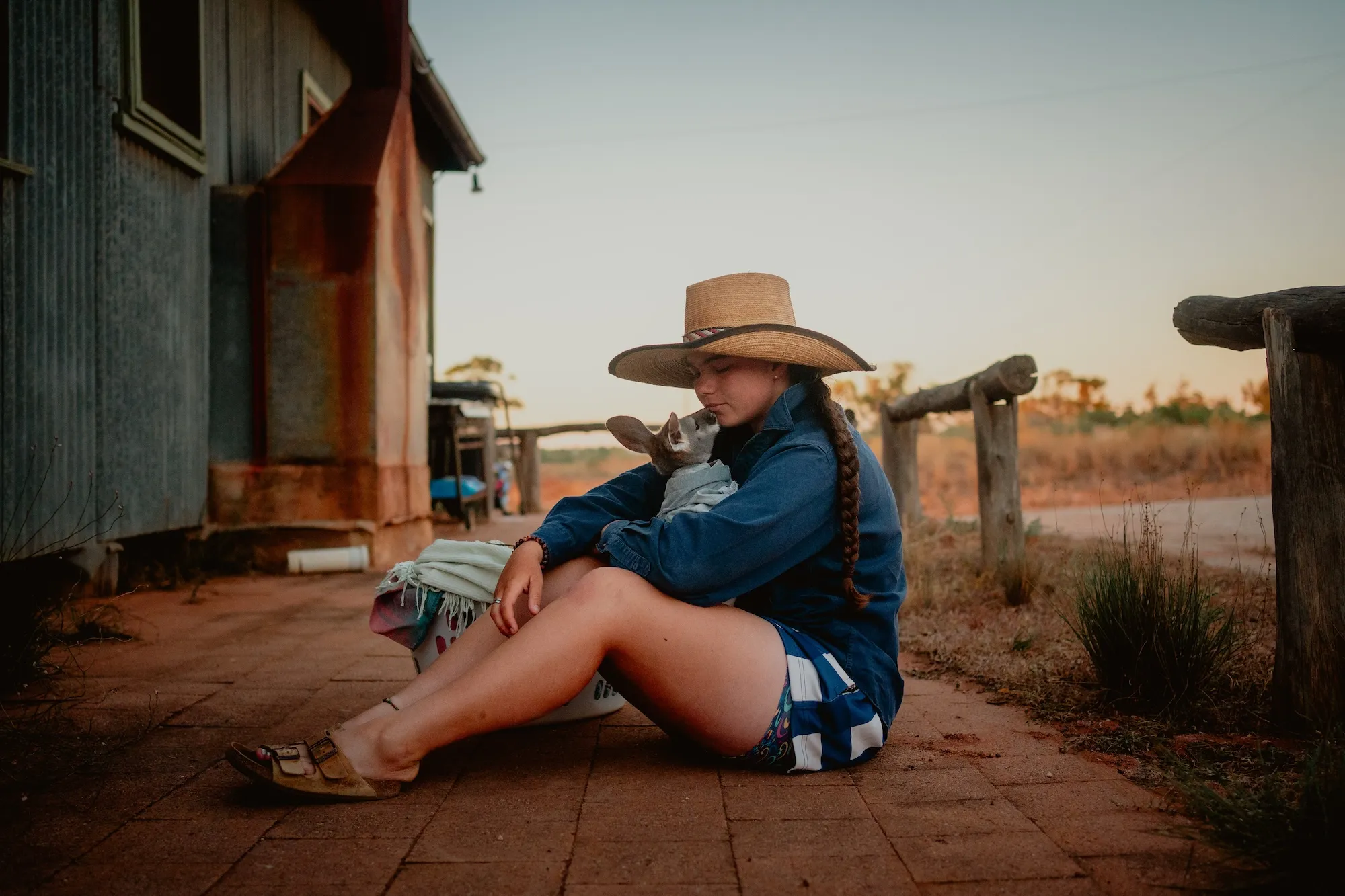
Do you think there’s enough attention on artists working in regional Australia? From where I sit, it often feels like an enormous amount of interesting work is happening outside the major cities without receiving the recognition it deserves.

I tend to agree. Generally, there are fewer opportunities for artists living regionally. We don’t have the same number of galleries, networking events or industry connections you get in Melbourne or Sydney. It can be quite isolating being a creative in a regional area.

Broken Hill is interesting because it has a really wonderful emerging arts community. There are community-run galleries, workshops and an artist exchange, so there are opportunities to connect with other creatives.

But I definitely think regional arts need more funding and more opportunities, particularly to exhibit work in the cities.

For me, that’s one of the most interesting parts of documenting life in the outback. It’s great to show work made in the Far West to people living here, but showing it to people in Sydney or Melbourne can bridge a much bigger gap.

If we can expose people in the cities to lives and experiences that are completely different from their own, maybe we can help them understand each other a little better.

Perhaps that’s optimistic, but I do think that humanising people and encouraging empathy could make some of the divisions between metropolitan and regional Australia less pronounced.

Interestingly, some of your biggest opportunities have come since leaving Melbourne. Has relocating to Broken Hill actually helped your career in ways you didn’t anticipate?

Definitely. I’d been photographing musicians and fashion in Melbourne for about ten years, but some of the biggest projects I’ve worked on have happened since moving to Broken Hill.

The Thelma Plum shoot was probably the biggest in terms of how far the images travelled. And the awards and recognition came after I’d moved out here too.

There’s obviously a lot of interest in photographing the outback, especially among musicians and fashion designers. I’m certainly not the first person to recognise how beautiful it is.

But there’s also much less saturation of creatives living and working in these places. You’re photographing locations and stories that haven’t already been photographed thousands of times.

There are places out here that might never have been photographed before. I think if more people understood the opportunities that can come from making work outside the major cities, they’d probably all start moving to the country.

Looking forward, do you see yourself continuing to explore the outback through photography, or are there other directions you’d like to take your work?

I’d definitely like to do more exhibitions, particularly showing regional work to audiences in the cities.

I’m currently planning a couple of different photographic series that will be more of a commentary on the outback, the bush and the treatment of the land. I think my work is gradually moving in a more documentary direction.

Fashion and music photography are still things I enjoy, but increasingly they’re becoming secondary to the journalism and documentary work.

I love Broken Hill, and I think I’ll probably be here for another few years. But I’d also like to experience a different part of the outback eventually, somewhere further north perhaps, or in the Territory.

It would be interesting to have something to compare Broken Hill with, and there’s just so much more of the outback that I’d love to explore.
Your next Read

When I first moved to Sydney, I worked at the gym at the Entertainment Quarter. …

All cities can be defined by a great restaurant, or a landmark, or in some …

Two years ago, Lina Zabaleta, the DJ and collective founder known to Melbourne’s dance floors …

An old film recording of director Sofia Coppola (The Virgin Suicides, 1999; Lost in Translation, …