Chuleo Club Took Over Melbourne Town Hall For Now or Never

White

Melbourne’s Latinx Club Movement Lead by DJ Zalina

31 August, 2026

Words by:

Sarah Palmieri

Melbourne Town Hall was filled out for Chuleo Club on Friday night, the party thrown by Melbourne DJ Zalina. Apart of Now or Never, this show is just one occasion of the DJ bringing together a dance floor celebrating Latinx culture, and there's no stopping her anytime soon.

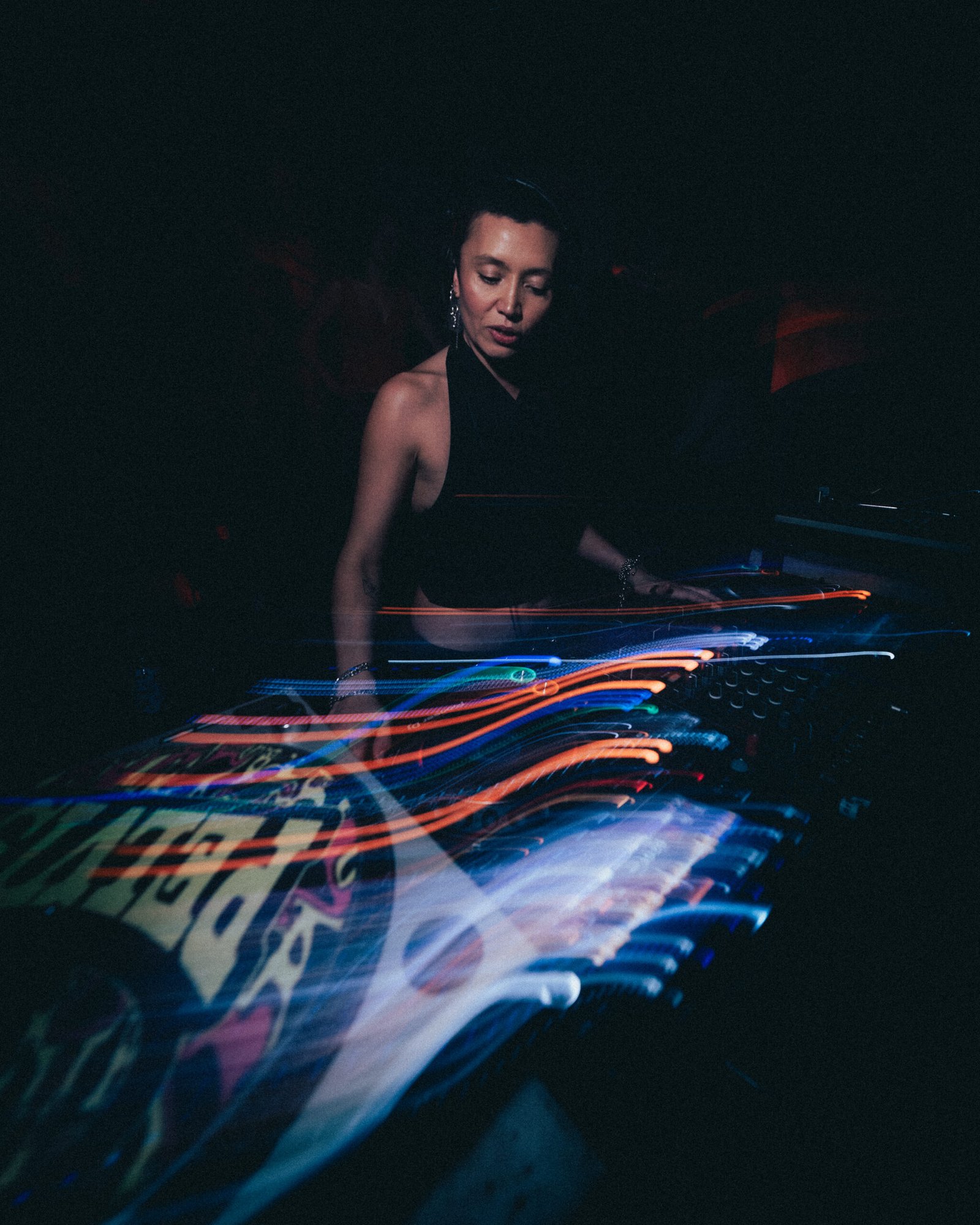
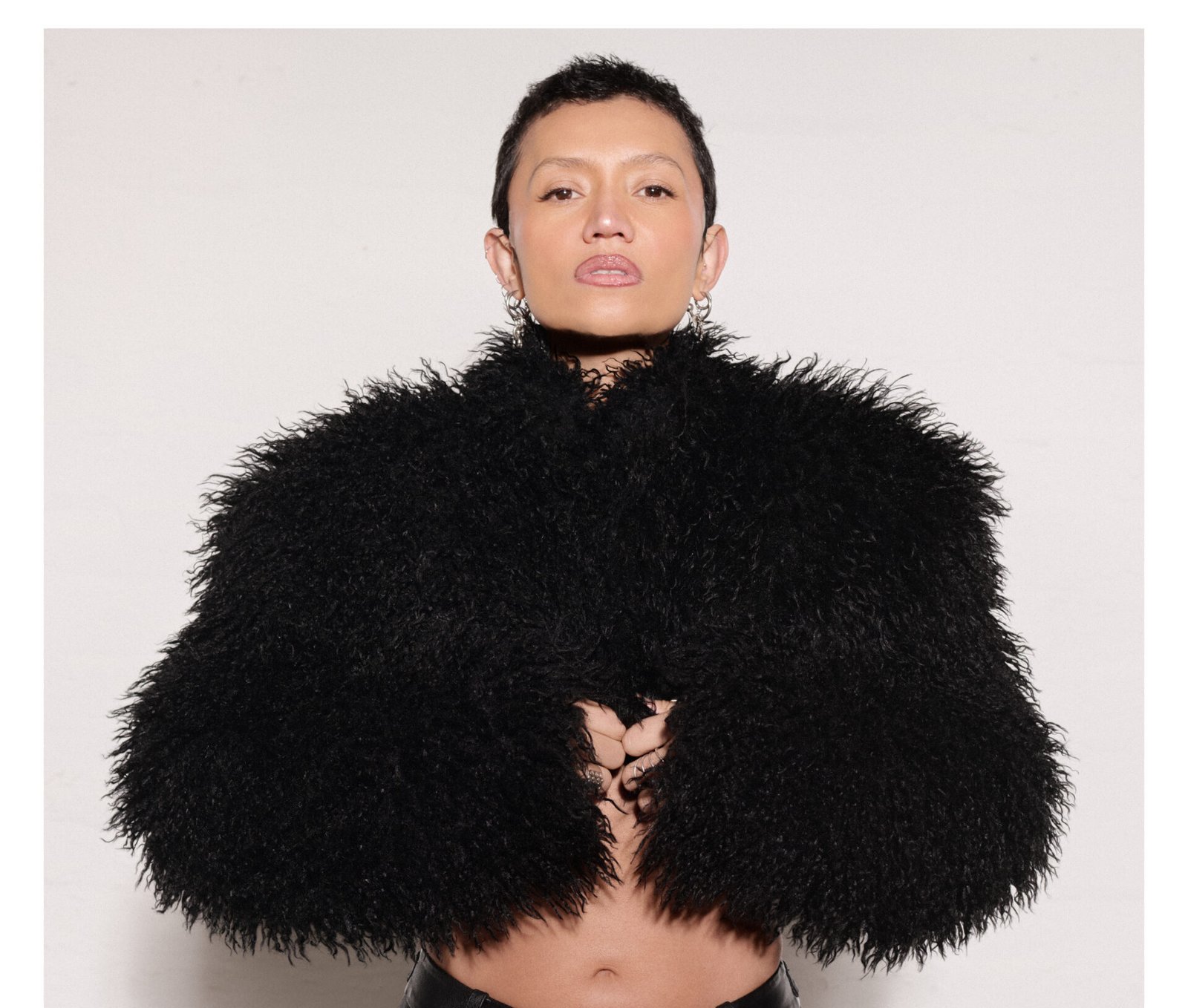
Two years ago, Lina Zabaleta, the DJ and collective founder known to Melbourne’s dance floors as Zalina, was fighting for a single slot on a lineup. Last week, as part of the city’s Now or Never festival, her collective Chuleo Club took over Melbourne Town Hall. It was a night built on Latinx sound, with A.Chal, Slim Soledad, LIZZ, Dinamarca, Kiki House of Furia and Zalina herself on the bill.

“Being at Melbourne Town Hall, and taking it over with a full Latinx lineup, it’s a statement,” she tells me. For anyone involved in the Melbourne music scene, including myself, it’s a hard line to disagree with. This is one of Australia’s most recognisable civic buildings, handed over for a night to Latin American music, top to bottom. It’s something we rarely see in Australia as a whole, let alone at this level. 

Zabaleta grew up in Bogotá, Colombia, and moved to Melbourne in 2012 to study English, telling herself she’d stay if she liked it. She had trained in fashion design at home, but Melbourne’s vibrant mix of culture created a romantic new world for her. “I straight away liked it,” she says. “I just loved it, and since then I’ve never lived anywhere else.”

Music as a profession came far later, and wasn’t something she had planned. “I got into DJing not long ago. I started almost three years ago,” she says. “I guess I’d always been passionate about music, but it was after I settled here and got my visa that I had the chance to get more creative and explore it properly.” Surrounded by friends already working in the industry, she finally picked it up when one of them sat her down and taught her the basics. “As soon as she taught me, I was hooked. I love it.”
It was working at a bar in the city, where a resident DJ and friend, Jeanette (DJNETT), became a shining example of what a life in the world of music might look like. “It was so inspiring to see how long she’d been in the industry and how much knowledge she had,” Zabaleta says. “This is such a male-dominated industry, so seeing someone like her, who’s been in it that long and has that much respect from everyone, it’s inspiring.”

She rates Melbourne’s electronic and festival scene highly, comparing it fondly to cities she’s travelled to, but is upfront that the Latin American sound she grew up on is a much newer arrival here. “If I compare it to the South American scene, I’d say it’s really only started here in the last few years,” she says.

Chuleo Club launched in March 2024 with a sold-out night at Miscellania, after Zabaleta had already been testing the waters with underground reggaeton parties at Avalon in Fitzroy. Since then the collective has run close to twenty events, expanded into Sydney, Adelaide and Brisbane, and played festival stages including Pitch Music & Arts and Rising. The name, from the Spanish chuleo (loosely, “to be hot”), is pretty (absolutely) fitting. If you’ve ever had the pleasure of attending one of her events, you’ll get what I mean.  

“We take you on a journey through the night,” she explains. “We might start with something slow, like cumbia, move through reggaeton, and progress into something faster and more electronic.” There’s a greater movement happening that she acknowledges, coming from South American producers over the past three years, blending traditional sounds. She mentions the 1980s, with harder, faster electronic rhythms. “Imagine listening to a techno track, but it has reggaeton in it, Spanish vocals,” she says. “People go off with that. They love it.” What she thought might be a niche interest turned out to be something Melbourne was hungry for.

It’s her heritage that shapes so much of the experince; its influence pressing far past just a playlist. “It’s a whole combination, not just the music, but the vibe, how we express ourselves on a dance floor,” she says. Growing up in Colombia, music was constant, playing in the streets, on buses, in shops. “We literally cannot function without music, and you can see that on the dance floor.” She’s watched it play out at her weekly residency at High Note in Northcote, where Thursday nights routinely end with people dancing on the street outside. “Australians come to these events and they’re like, ‘oh my god, you guys are dancing all the time.’ It’s a very uplifting energy, and they love it.”

What sets Chuleo Club apart from parts of Melbourne’s dance scene, Zabaleta says, is what happens once people become a part of its community. She describes the city’s club culture as capable of feeling cliquish, “not that people are rude, but you can see it’s a group thing.” She built Chuleo Club with a mission to work in the opposite way: a room where strangers from different countries and communities end up as each other’s regulars. She recalls a friend telling her his life is split into “before Chuleo and after Chuleo,” because of how many people, including others from his own home country he’d never crossed paths with, he met there for the first time. The crowd, she says, spans South American, South Asian and African communities, young queer people newly arrived to study, and long-time Melbournians, pulling through in their finest fits. “It’s very punk. It’s very diverse.”

Chuleo Club is also femme-led and queer-centred, in an industry where men are still paid more consistently as DJs and diversity on lineups often stops at a single booking. “It’s like: okay, we’ve got the Latino, we’ve got the girl, we’ve got the POC DJ,” she says. “Why don’t we do a majority of female DJs instead?” By her own count, only a handful of international male DJs have played Chuleo Club, chosen specifically for their standing and craft, while most of the lineup is female, queer and femme-identifying artists she believes deserve wider recognition. “There are insane DJs in this city who deserve to be celebrated in the scene, and that’s not going to happen if we don’t book them.”

That’s what made Friday’s Now or Never so special. A night that started with underground parties in a Fitzroy bar, filled out one of the city’s most recognisable buildings with a full Latinx bill. “It makes me very emotional and excited,” Zabaleta says. “I don’t think that’s ever happened here: a lineup this international, this Latinx, in Melbourne Town Hall. And it’s not even mainstream artists. It’s very niche, very underground. Seeing that people are so open and keen to come see the show, we’re definitely doing a big shift here.”

She’s not slowing down after this. Zabaleta tells me about a trip to Barcelona where she found herself in a warehouse full of Venezuelan, Colombian and Spanish artists, just drinking wine and talking. “I was like, we don’t have that here. I want that here.” Her plan for summer is to grow those Thursdays at Highnote into a regular meeting point for the community she’s spent three years building, at a bigger scale than before.

Chuleo Club played Now or Never at Melbourne Town Hall on Friday, August 28.

Your next Read

An old film recording of director Sofia Coppola (The Virgin Suicides, 1999; Lost in Translation, …

The most important thing about luxury, I’ve come to think, is in the detail. The …

The ’90s dining scene was all about theatrics — make it bigger, flip it tableside, …

Aston Martin has unveiled its most audacious road car yet, with the hyper-exclusive Valiant, but …