NFT Fever Dream

Serwah Attafuah On Shady Crypto Deals And Paris Hilton In Her DMs

White

Serwah Attafuah Emerges From The ‘Psycho’ NFT Era, But Not Much Has Changed

14 July, 2026

Words by:

Cobey Bartels

During the bizarre, head-fuck of a year that was 2020, a strange, collective madness hijacked the global art world. Almost overnight, NFT (non fungible token) art became the hottest commodity, peddled by everybody with a platform: ‘the investment opportunity of a lifetime’ … ‘the next big thing’ … ‘buy it, trade it, make it, or stay poor’.

The market grew, and grew, reaching its zenith in late 2021, as Wall Street investors, tech-bros, and sketchy crypto types converged on virtual auctions and decentralised marketplaces, treating digital art not as an expansive new medium, but as a highly liquid (and untraceable) asset.

Then, with the same dizzying speed at which it crystallised, the NFT bubble burst. Between January and September of 2022, the market lost around 95 per cent of its value, rendering the majority of tokens worthless. The collapse was ultimately the result of diminished interest, as investors flocked to the newest shiny thing which was, and remains, AI.

Throughout the NFT boom, the public (and media) obsessed over mega-artists like XCOPY, Beeple and Pak, who were selling artworks for tens of millions of dollars, and, even more so, the non-art grifters promoting what they considered the investment opportunity of a lifetime, which included controversial youtubers Logan and Jake Paul, and tech-bro-come-motivational-speaker Gary Vee. 

But, NFTs were never supposed to be mainstream; traded like stocks, peddled by the tech elite, produced by anyone with access to generative AI. 
Long before investors ever caught wind of NFTs, a cohort of rebellious artists pioneered the concept, many coming from underground mediums like graffiti, digital and street art. The first NFT was minted all the way back in 2014, a pixelated, looping geometric animation called Quantum created by digital artist Kevin McCoy, and many others came during the medium’s formative years.

Now, post-boom, many of the same artists continue to explore the medium as it was originally intended; they see it as a way to create and sell art on their own terms, cutting out middlemen like gallerists and dealers. 

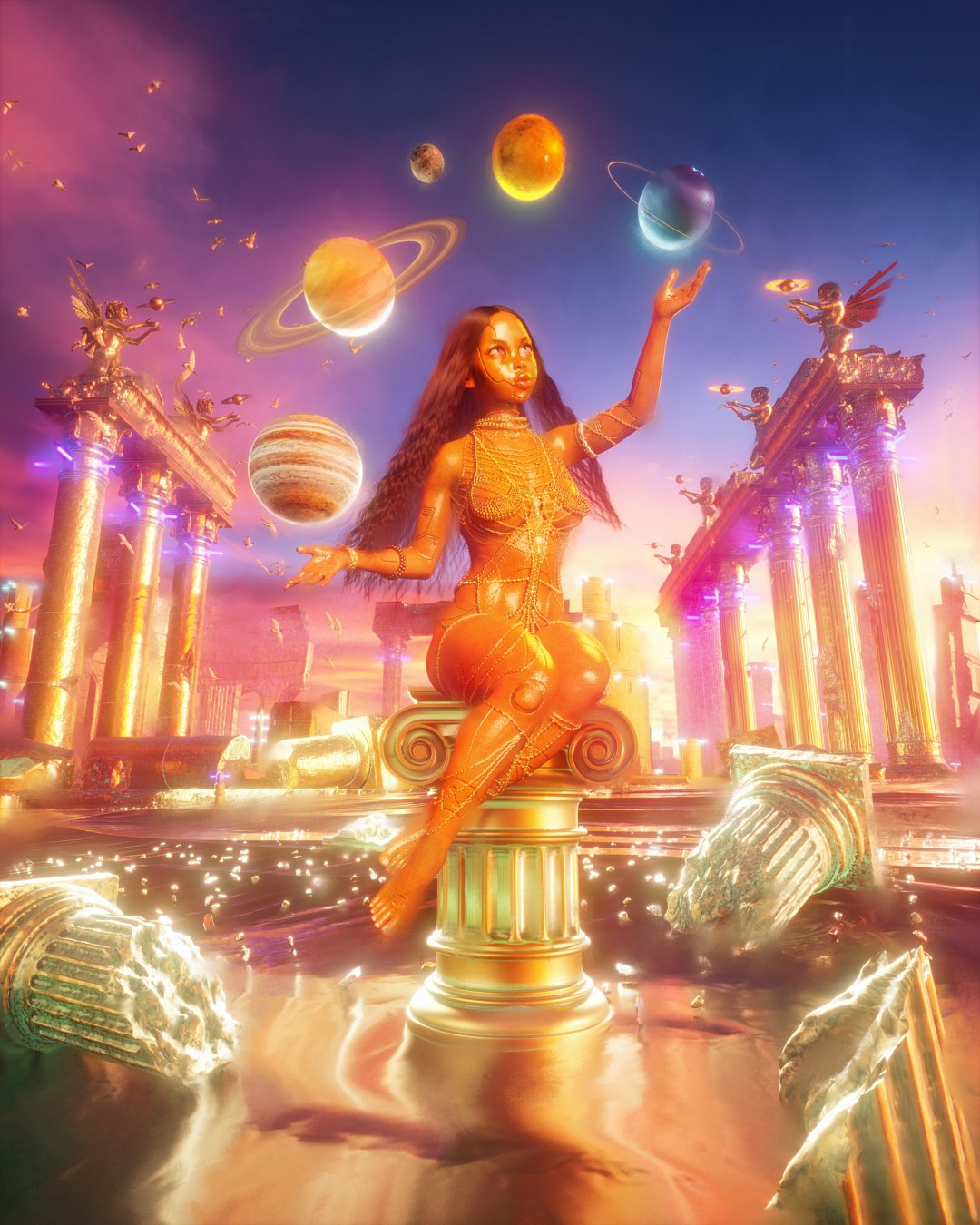
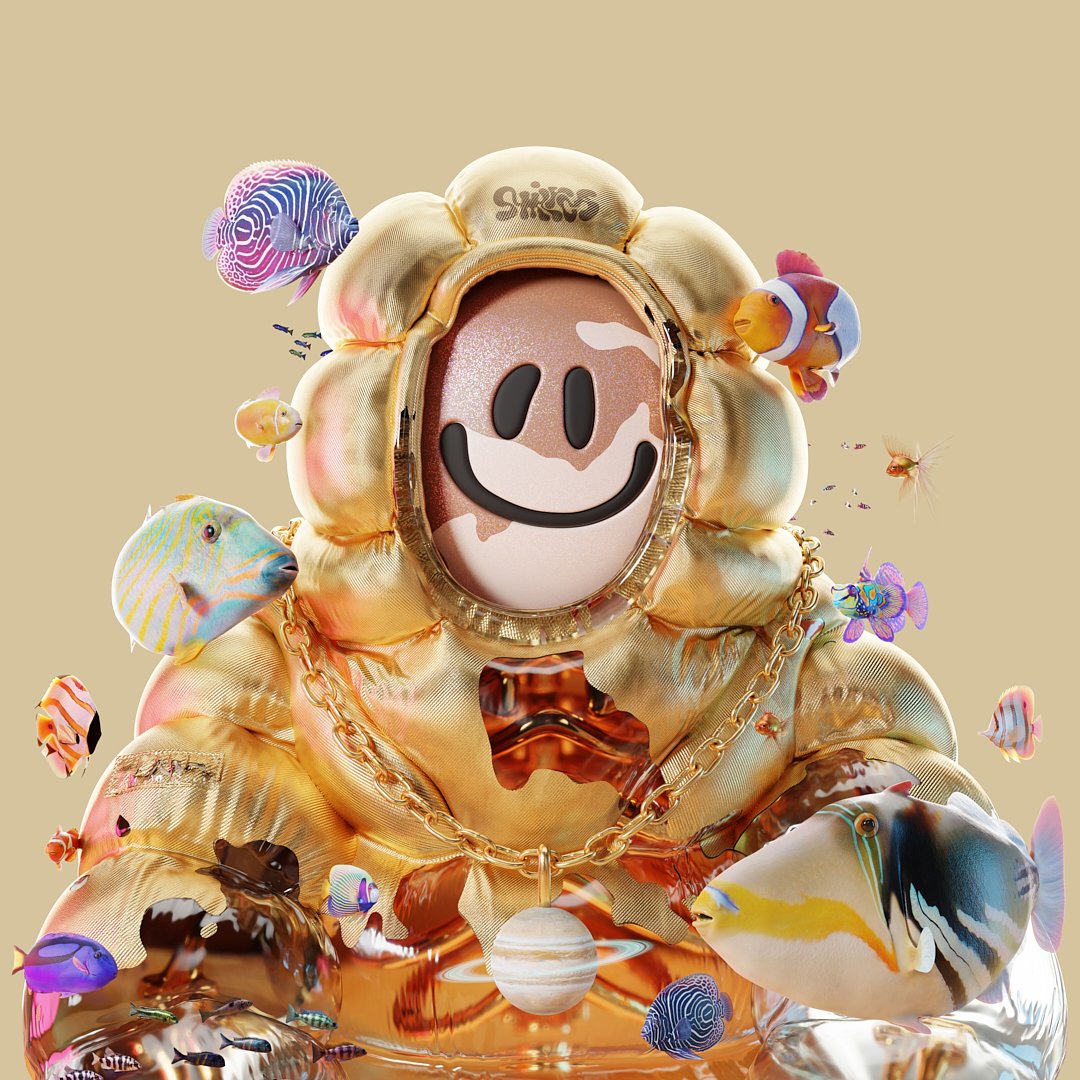
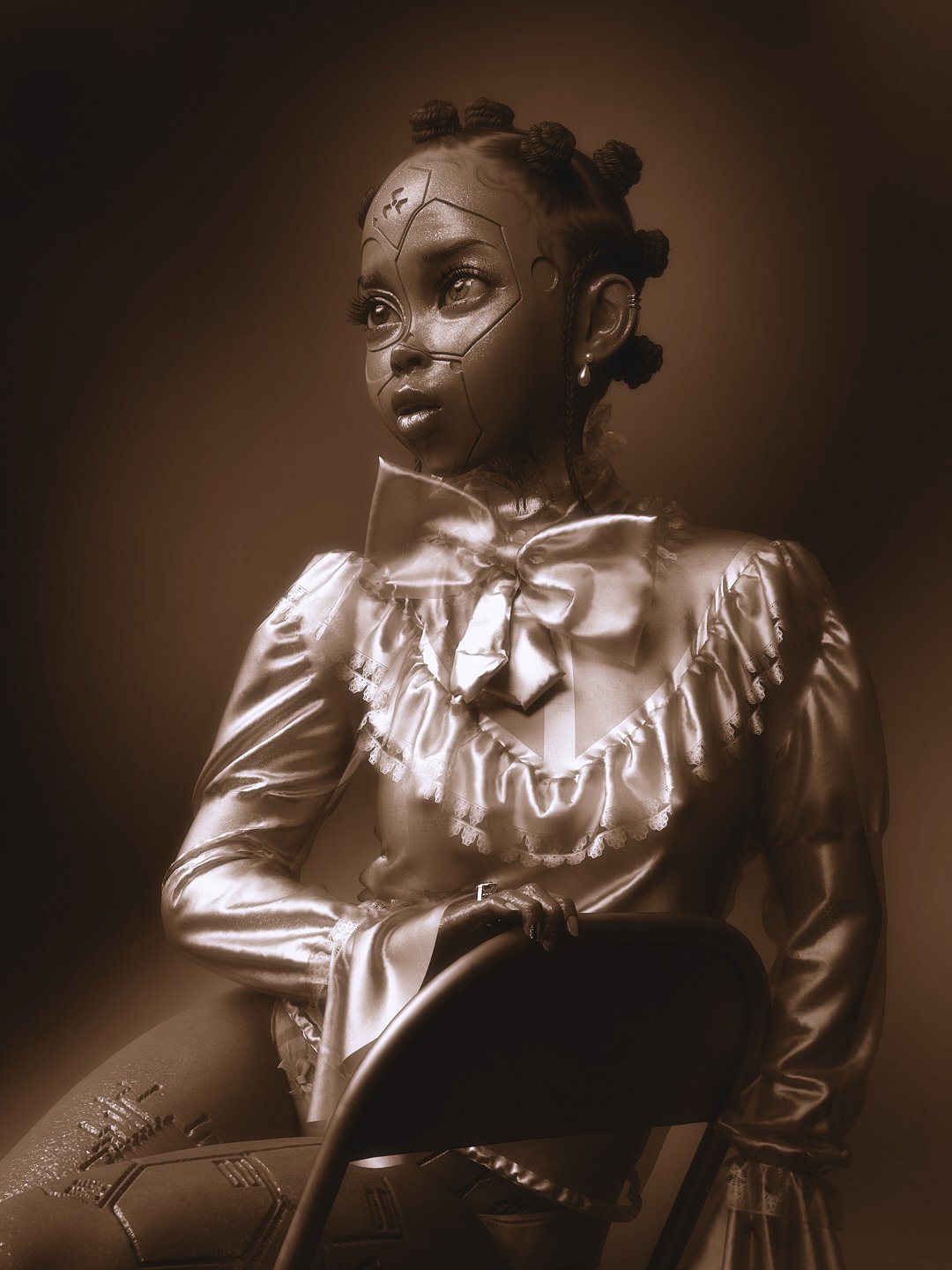
One is Western Sydney-based digital artist Serwah Attafua, whose work exists at the intersection of video, gaming, and the internet itself. She’s been creating vivid 3D dreamscapes for 14 years and is relatively unphased by the boom and bust of the NFT market.  

Her unique style, centered around afro-futuristic deities that are, at their core, expressions of self, set in surreal, utopian landscapes, caught the attention of major institutions and celebrities as the medium exploded onto the mainstream. Post-boom, though, she’s still busy as ever. 

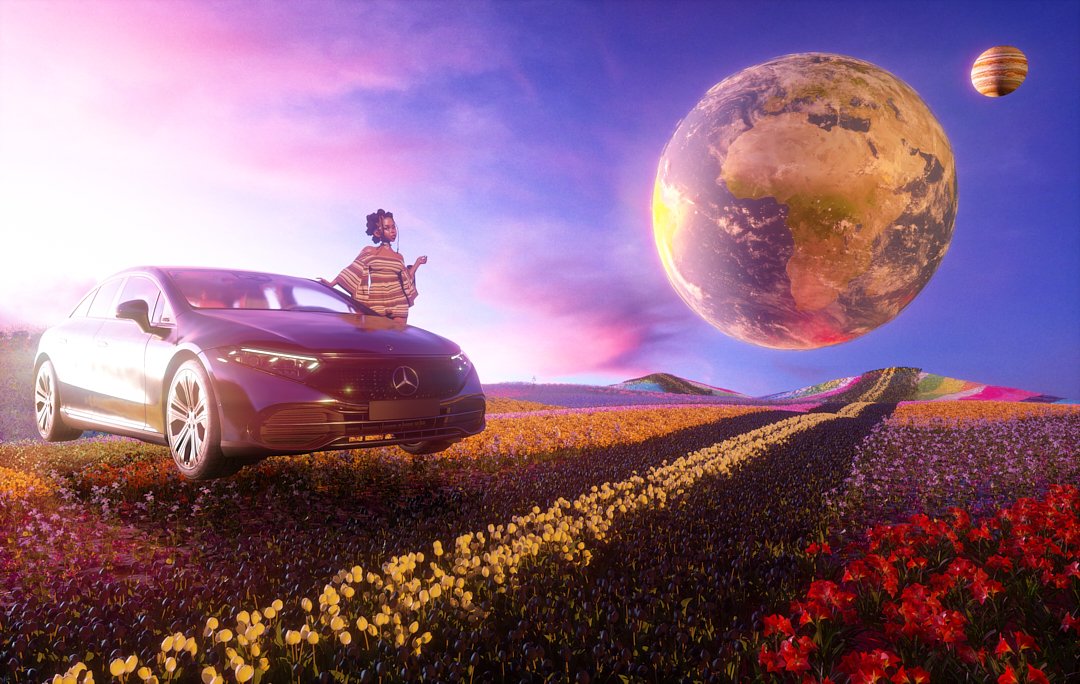
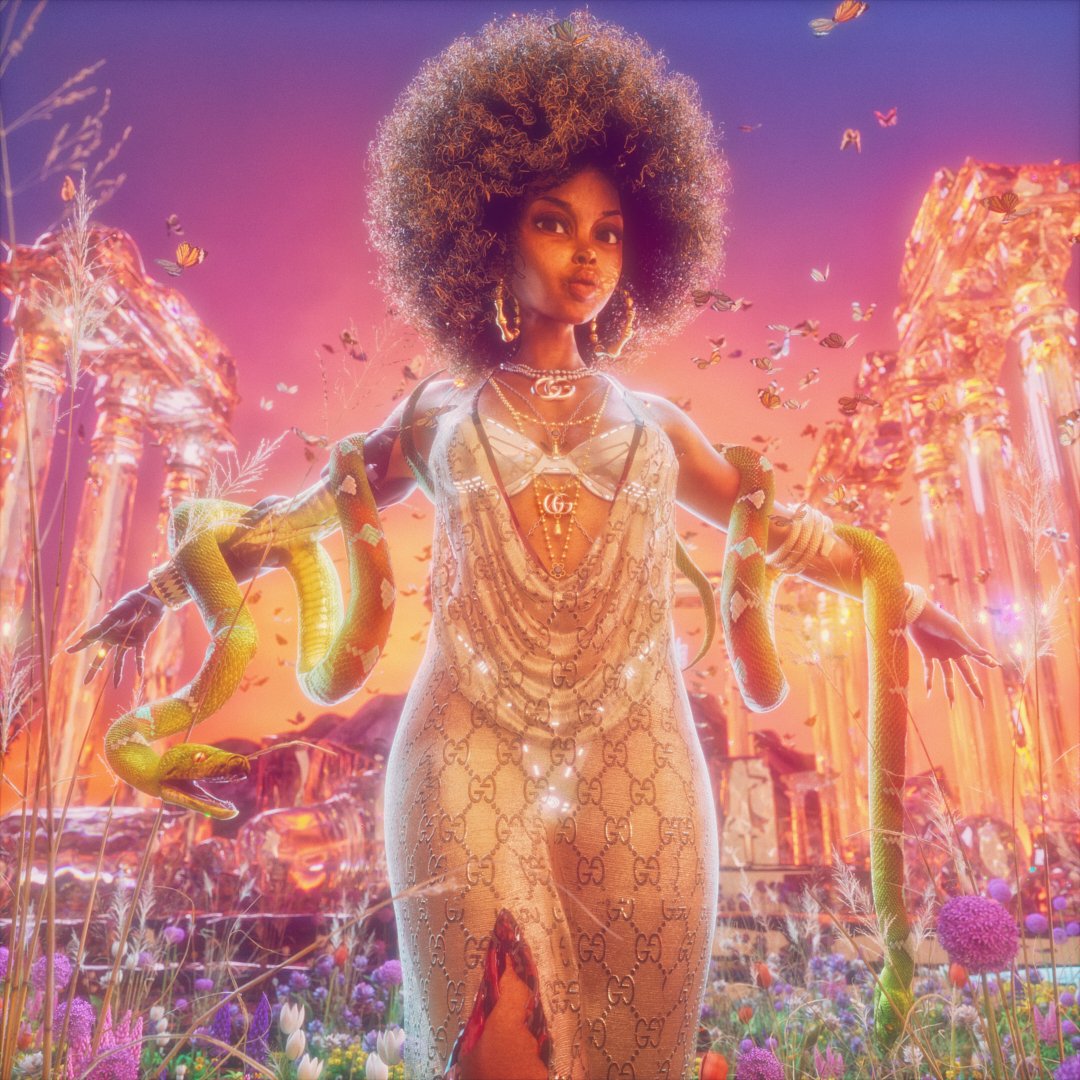
In recent years, she’s exhibited at the Biennale of Sydney, collaborated with musicians like Charli XCX and Genesis Owusu, and produced art for brands including Gucci, Valentino, Nike, Mercedes-Benz, Microsoft and Samsung. 

We sat down with Serwah to chat about the chaos that was the NFT era, from celebrities in her DMs to shady crypto deals, and the future of digital art now the dust has settled. 
You were playing in the digital art space long before everybody became obsessed with it. When the NFT market exploded into the mainstream did it feel like long-awaited validation, or a big fad?

It felt like a bit of both, honestly. When I got hit up to do my first NFT by a platform called Foundation in late 2020, it sounded like exactly what I had always wanted. Before that, people in the traditional art world just didn’t understand how to get a digital or 3D artwork into a gallery, or how the actual sale process should work. Suddenly, smart contracts and transaction histories added this formal layer of security and provenance to digital art that we’d always been looking for. 

At the very beginning, the whole scene felt very punk rock. But when it really blew up in early 2021, it just went absolutely psycho.

‘Psycho’ is probably a fair summary, ha. One of the least likely collaborations I read about was your work with Paris Hilton.  Was that a surreal experience?

I woke up one morning, checked my Instagram, and I had a DM from Paris Hilton asking if I could create an NFT artwork to empower women. I’m not fucking joking, I was like, “This has got to be a hack, I don’t even get it.” I put my phone down for a few hours, and just forgot about it. When I came back to it, I was like, “Okay, send me an email, I’d love to know what you want to do.” She had actually double-messaged me like, “Hello?” so I figured I probably should reply.

I ended up developing a piece called Aether: Galaxy Goddess for her, which was auctioned off by Sotheby’s for over $20,000 USD. But because of the anonymity in the space, I had no idea who bought the piece. I think I’ve finally pieced together who it is now. At one point I even offered to send them a physical print, but they wouldn’t come forward. 

Obviously, with the rise of NFTs, digital artists were suddenly making a lot of money, but it was mainly crypto. What were the realities of navigating the more volatile, unregulated nature of digital currencies?

There was definitely a shady side to it at times. I was getting paid mostly in crypto and some of the deals were with companies or people I didn’t really know much about. That made it exciting but also kind of sketchy.

As quickly as deals came in, they could fall over with little recourse. One pretty prominent figure just never paid me. He never paid anybody in the project, which was really strange because he had a reputable company and profile online. There were definitely a lot of mistakes or projects I sort of regret in that space, and bad clients who were just stepping on my neck creatively.

During the height of the bubble, there were all these traditional investors buying creative works like they were stocks, and they couldn’t get enough of them. Did you feel a kind of pressure to put more out?

I definitely didn’t put as much out as other colleagues, despite the amount of emails I would get saying, “Oh, drop another thing.” I was like, “I’m not ready.” I have sort of a methodology to this where it’s hard to explain, but I don’t want to just drop something. 

I know people that would drop stuff every single day, or hundreds of them a week, and that was just not something that I wanted to do because it devalues the work. I just try to put up things that I felt were special, working towards a project or a more meaningful collection.

The traditional art world didn’t really understand digital art before the NFT era, often prioritising it below physical works. Have you noticed a shift in how traditional art establishments treat digital curation since the boom?

The traditional art world has definitely embraced digital art now, but galleries, especially here in Australia, still have a real lack of understanding about it. They’re just not at the same level of understanding as the rest of the world, like America and Europe, who have always sort of appreciated it. 

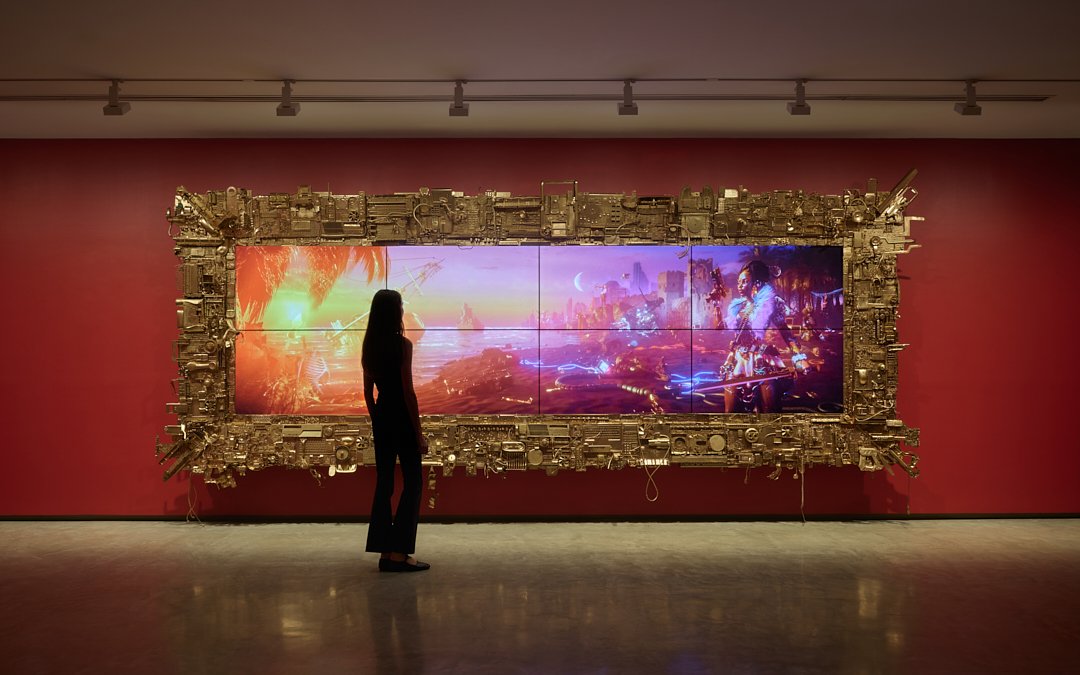
It used to be quite difficult to communicate how I wanted things installed; you’d really have to beg to get a TV to show an animation, and they’d be like, “No, just print it out.” I’m like, “Oh, it’s really not the same, you know?” But now it’s sort of become standard.

What was your experience when the NFT market crashed, as an artist that had benefitted from the world’s sudden obsession with digital art?

To be honest, I think I only kind of realised that the bubble had burst recently when some of the platforms that I had great relationships with shut down and became archives. I can understand that it’s hard to run a business like that when this AI thing is just taking everybody’s attention away. It was sad in a way, but it also weeded out the sort of scammy side and those cash-grab artists. The original people creating groundbreaking work are still doing what they’re doing without the noise of the hype.

I went to a festival with a group called Wild XYZ in New Orleans a year or two ago, and it was amazing. There were people there who had made NFTs back in 2014; the original trailblazers of this technology. It was amazing to spend a week with them talking about art and digital technology, and they still have great fanbases for it.

You now work across an interesting divide, handling commercial commissions for massive brands like Nike, Microsoft, and Samsung, while also producing independent works as a form of expression. How do you separate the corporate side from the passion work?

For me, I try to keep a good balance, like at any time I like to do half and half. They kind of complement each other. Having somebody give me some sort of direction is amazing, and then it makes my passion projects so much better because I’m getting challenged to make something that I’m not completely directing. 

Fortunately, because I’ve always been steadfast with my voice and my creative vision, brands that approach me want that, so they don’t ask me to do things that don’t align with my artwork. I think nowadays brands want that authentic, underground voice. 


Before we wrap up, you’ve also been involved in an insanely eclectic mix of bands and music projects. Is there anything you can’t do? But seriously, tell me more about your music. 

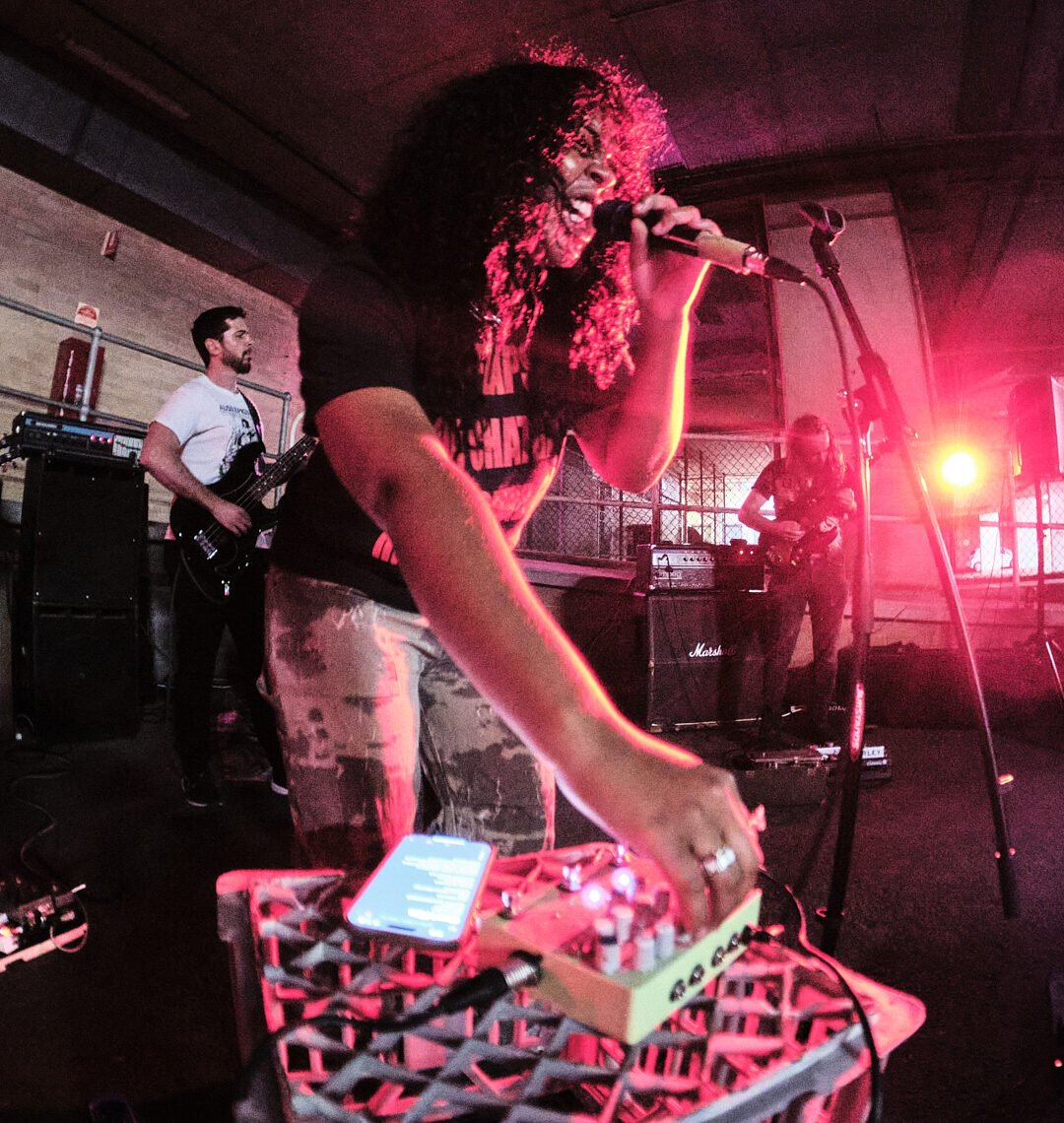
Ha, yeah, so I’m in a band called TBX at the moment doing vocals. Somebody recently described us as ‘rhythm metal,’ which I thought was really funny. It’s sort of like grunge; it kind of sounds like The Melvins, if you’ve ever heard of them.

Before this, I used to play guitar in a band called Dispossessed when I was a teenager just coming into adulthood. That was a pretty extreme metal band. I’ve actually jumped around a few different bands. I did NASHO, which was a really fun punk project, and I was even in a hardstyle and hardcore techno group called MANA.

I don’t think we ever ended up releasing much with MANA, though, because our drummer accidentally wiped the entire hard drive with all of our recordings. I think we only have one or two things up online, and after that happened, we just gave up.

You can check out more of Serwah’s work here, and, if you want to check out TBX, which we urge you do, you can listen here.


Your next Read

As May approaches, so does the Cannes Film Festival, where the red carpet will soon …

January in Tamworth is always a gamble. The heat hangs heavy. Car doors sear your …

Sustainability has developed its own language. Spend enough time around brands, product launches and industry …

The Genesis of a Design Visionary Reflecting on his roots, Dale Hardiman shares, “Adam and …