Modern Architecture

The Polestar 3 and a Different Pace of Progress

White

Modern Architecture: The Polestar 3 and a Different Pace of Progress

13 August, 2026

Words by:

Justin Jackie

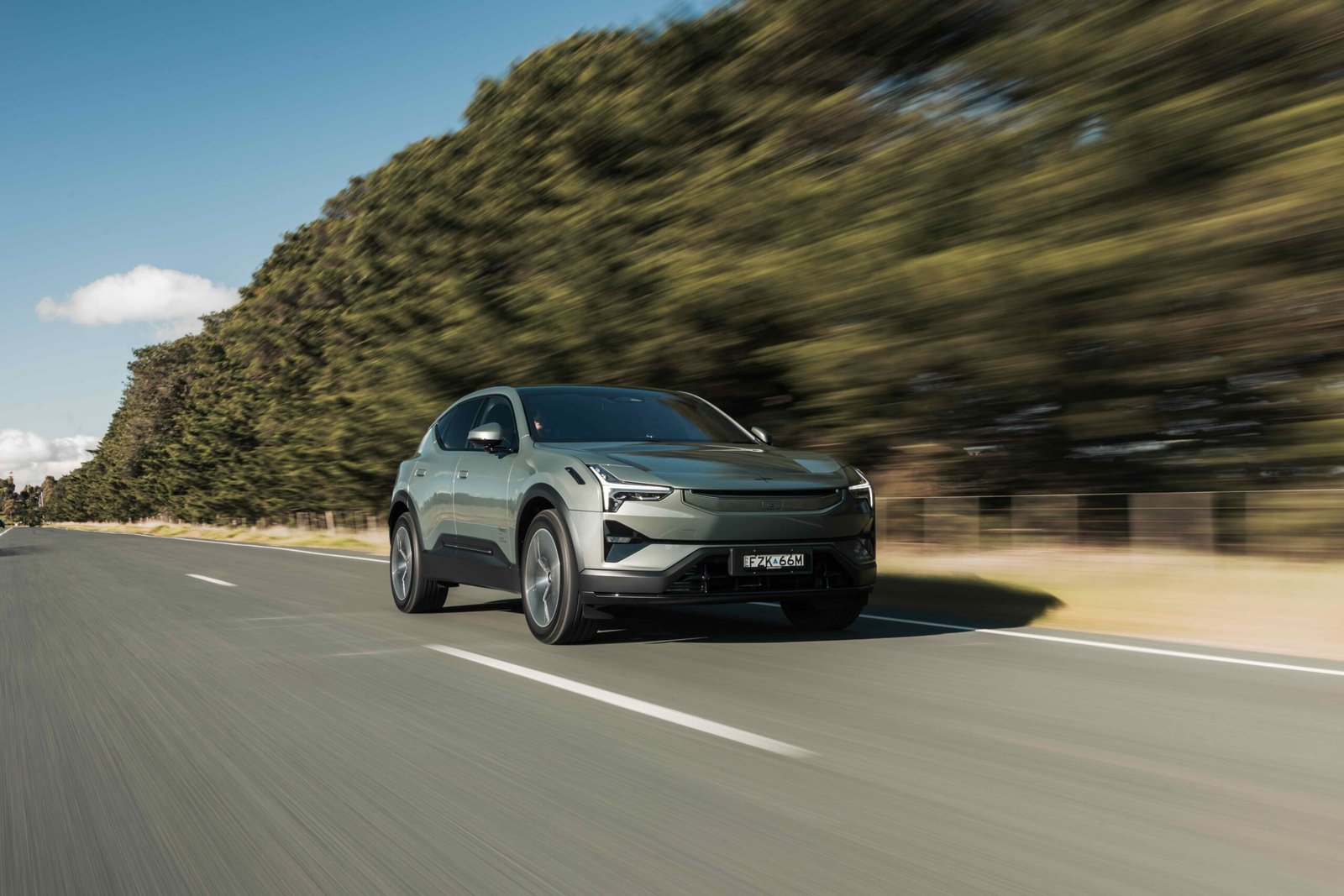
The Polestar 3 has been comprehensively re-engineered without being comprehensively redesigned. On cold Victorian roads, that decision reveals something interesting about the different speeds at which technology and good design should move.

I’d previously spent some quality time with the Polestar 3 in Far North Queensland, where several days behind the wheel gave me a chance to understand the car beyond the usual confines of a launch drive. What stayed with me then wasn’t its performance or even the fact that it was electric, but how complete it felt as an object. Its proportions, materials and quiet cabin seemed to share the same logic; there was little that felt superfluous or included simply because contemporary luxury demanded it. I came away thinking Polestar had created something with a particularly clear sense of itself.

This time, Polestar had brought me south to Victoria, with a route that would take us out of Melbourne and into the cold countryside around Daylesford, eventually arriving in the wonderfully named town of Musk. There was an obvious irony in driving a Polestar towards a place bearing the name of Tesla’s CEO, but the change of scenery was useful for another reason. The Polestar 3 sitting outside Melbourne looked much as I remembered it from tropical Queensland; underneath, however, much of its architecture had changed.

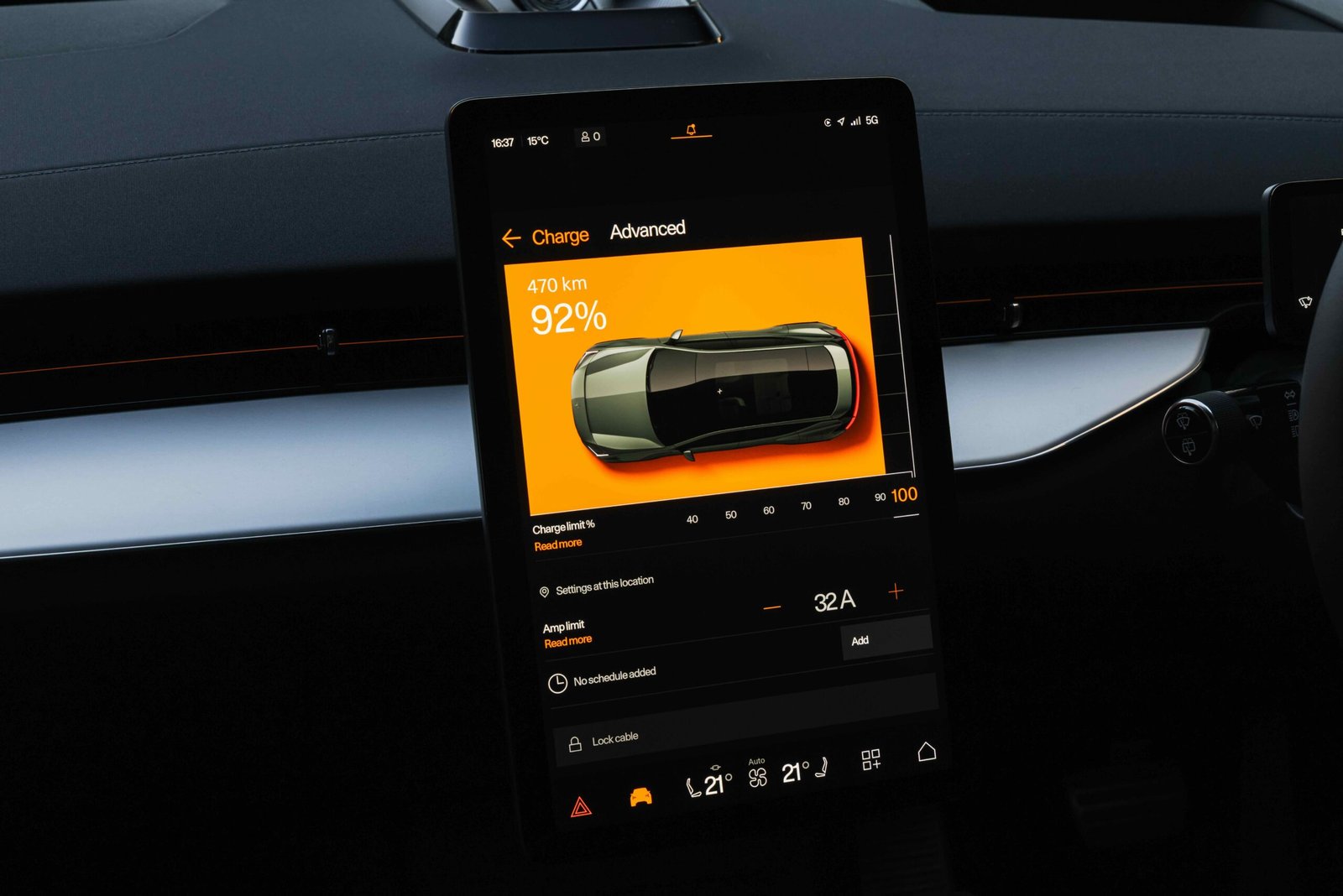
For the updated model, Polestar has made the transition from a 400-volt to an 800-volt electrical system, accompanied by new batteries and significant changes to the motors, drivetrain and chassis. The result is a Polestar 3 that can charge substantially faster, use its energy more efficiently and, depending on the version, deliver even more performance. These aren’t the usual incremental changes attached to a model-year update. Much of the engineering foundation of the car has been reconsidered.

What Polestar hasn’t done is redesign it to make sure everybody knows.
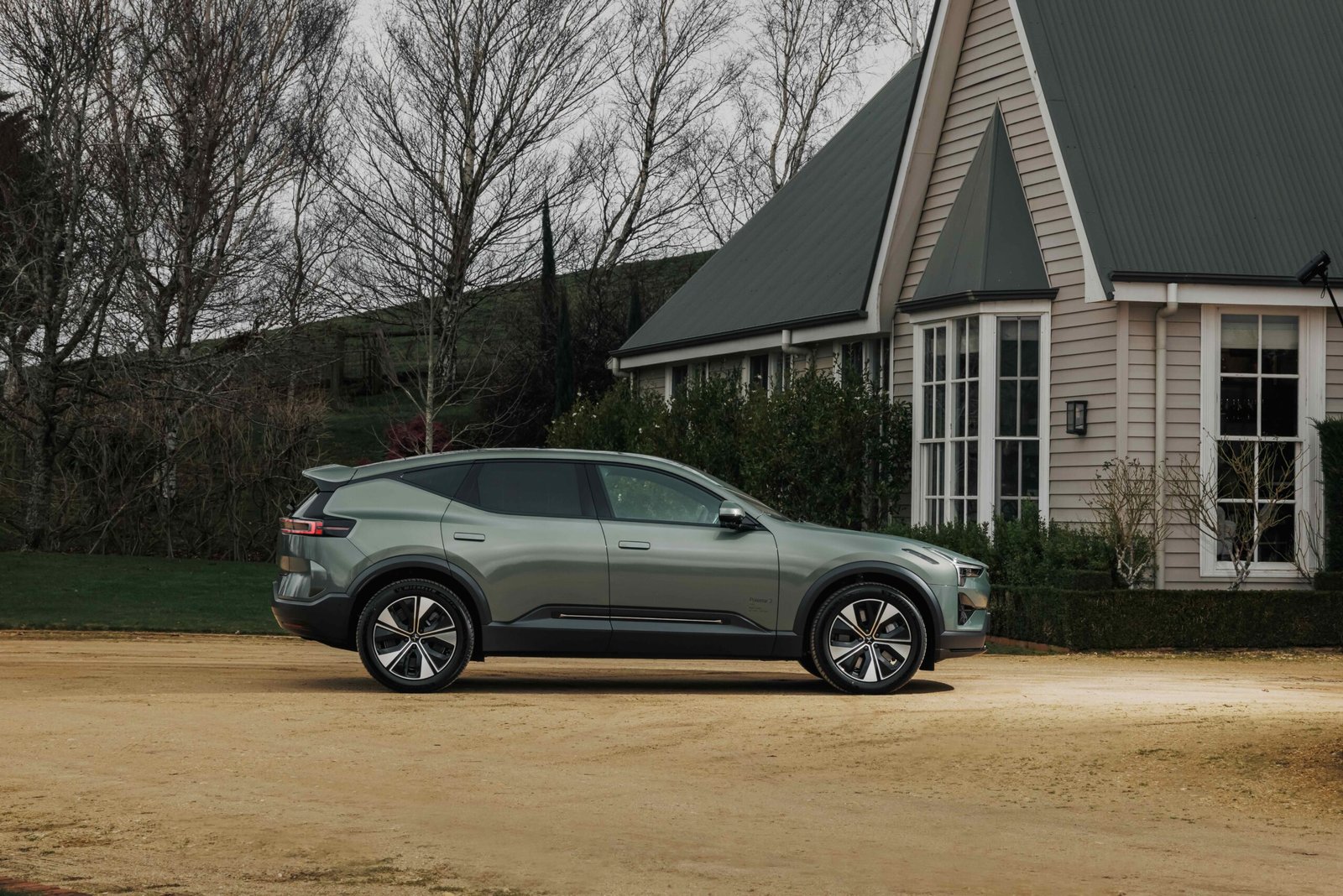
There is no new face announcing the arrival of 800 volts, no gratuitous lighting signature or dramatic reworking of the cabin. Park the new Polestar 3 beside the car I drove in Queensland and most people would struggle to tell you which one represents the newer technology. Polestar CEO Michael Lohscheller has described the MY27 changes as so extensive that it is “like an entirely new car”, yet visually it remains very much the car that came before it. Initially, that can seem almost anticlimactic. Spend some time with it, though, and the lack of visual change starts to feel less like an omission and more like confidence in what was already there.

It also raises a more interesting question than whether the new car charges faster. The electric-car industry is developing at a pace that makes relatively young products feel old remarkably quickly. Battery chemistry evolves, charging speeds climb, processors become more powerful and manufacturers compete over increasingly extraordinary numbers. At the same time, development cycles are contracting and the pressure to continually put something visibly new in front of customers has only intensified. Against that backdrop, the updated Polestar 3 presents an interesting contradiction: What happens when the technology inside a product needs to evolve much faster than the design around it?

That question came up, indirectly, when I spoke with Scott Maynard, Managing Director of Polestar Australia. Maynard recalled standing in Polestar’s design studio in Sweden with designer Nahom Escobedo and asking about the increasingly compressed development cycles of rival manufacturers. If other companies can move from design to production at extraordinary speed, would Polestar eventually have to do the same?

The answer, he says, was emphatic.

“We’re one of the decreasing number of brands that will still mill our cars out of a full-size clay,” Maynard told me. “However long it needs to take to ensure that our cars are well considered, and that they will still look amazing for 20 years.”
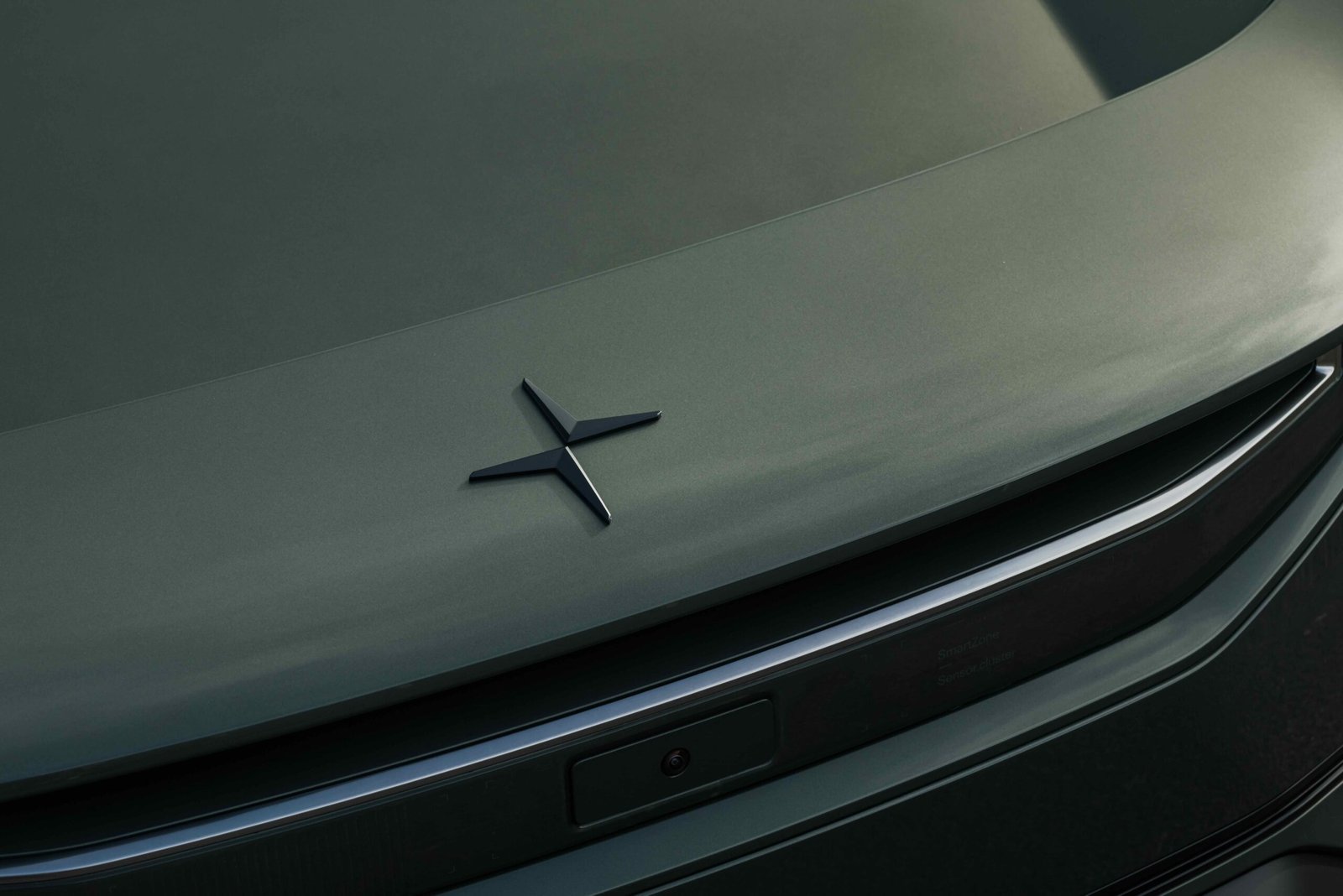
There is something almost provocative about talking in decades in an industry increasingly measured in software releases and product cycles. More than the number itself, though, Maynard’s anecdote speaks to an ambition for Polestar’s designs to age well, and it begins to explain why this Polestar 3 looks so much like the last one.

The irony is that what sits beneath it is now thoroughly modern. Moving from 400 to 800 volts reduces the current required to deliver the same power, helping with efficiency while pushing peak DC charging to 350kW. But Polestar has gone further than changing the voltage. There are new NMC batteries and a new permanent-magnet rear motor, the all-wheel-drive cars can disconnect their front motor when it isn’t needed, and the steering and anti-roll bars have been revised. Rather than treating the new electrical architecture as an isolated upgrade, Polestar has used it as an opportunity to revisit how the 3 works as a whole.

Out on the roads beyond Melbourne, the Dual motor makes the strongest first impression. With 400kW available, it is a monster, carrying an almost absurd reserve of grip and power that becomes enormously entertaining once the traffic thins and the roads open up. The new rear-biased drivetrain gives it a more playful character, but after a while another thought starts creeping in: this is far more performance than most people could reasonably need. That became particularly apparent after swapping into the Rear motor. Its 245kW sounds modest only because electric cars have comprehensively warped our expectations; on the road there is ample power for effortless overtaking, and the whole car feels nicely balanced around what you are actually asking it to do.

Given my own money, I suspect that’s where I would start. Unless all-wheel drive was something I genuinely needed, I would be tempted by the Rear motor and spend the difference elsewhere. There is something appealing about an EV that isn’t trying to overwhelm you with its output, particularly now that enormous power figures have become so commonplace. Choosing enough rather than the most feels strangely refreshing.

The case for the Dual motor became stronger as we travelled deeper into the Victorian countryside. As the roads became rougher and less predictable, the available active air suspension gave the car an impressive breadth of ability. In its softer settings there was a noticeable extra layer of compliance over broken surfaces, while tightening things up brought the considerable mass back under control when the road became more interesting. Yet the simpler Rear motor never felt like a consolation prize. It remained supple and composed, with the revised anti-roll bars helping it settle quickly after a bad piece of road.

The difference from the previous Polestar 3 isn’t revolutionary. Ten per cent better is probably closer to the truth, but the platform didn’t need rescuing. Steering, body control, drivetrain behaviour and efficiency have all moved forward without changing the fundamental character of the car. The cabin follows much the same philosophy. It remains quiet and minimal without feeling empty, and premium without relying on illuminated surfaces or visual theatre to constantly remind you what it cost. Calling a Swedish car Scandinavian feels almost too obvious, but against the muted colours of a cold Victorian winter, the description is difficult to avoid. The Polestar looks at home here.

This presents an interesting challenge for the brand, because much of what makes the car work is difficult to communicate on a comparison chart. Maynard acknowledges as much. “If you just lined up our cars with some of the new competitors that are joining the Australian market, spec for spec, on a sheet, they will look very similar,” he says. The difference, he argues, only becomes apparent when you experience the engineering underneath it — the refinement, safety and the way the car behaves on a good road. “That’s a hard sell.”

It might also be where luxury is becoming interesting again. Power is no longer particularly exotic. Large screens aren’t either, and even violently quick acceleration has become strangely normal. As those things become easier to deliver, they become less useful as markers of what makes one expensive car meaningfully different from another. What matters increasingly are the things that don’t translate neatly into a specification table.

Sustainability sits within the same conversation. Maynard talks about Polestar’s climate objectives as something embedded in the company’s culture, but the more compelling evidence is the amount of information Polestar is prepared to publish. Electrification doesn’t erase the environmental cost of producing a 2.5-tonne luxury SUV, and rather than pretending otherwise, the company puts a number on it.

For a Polestar 3 manufactured in Chengdu, Polestar calculates a cradle-to-gate footprint of 24.5 tonnes of CO₂ equivalent for the Rear motor and 25.9 tonnes for the Dual motor. More revealing is where that impact comes from: roughly two-thirds of the Dual motor’s footprint is tied to material production and refining, with the battery contributing another substantial share. Polestar estimates that without its decarbonisation measures, the same Dual motor would sit at 33.9 tonnes rather than 25.9, with much of the reduction coming from lower-carbon and recycled aluminium and renewable electricity in the battery supply chain.

Those aren’t particularly romantic numbers, which is precisely why publishing them matters. In an industry where sustainability can still amount to some recycled upholstery and a photograph of a forest, there is something refreshing about a manufacturer showing where the tonnes actually come from.

It also brings us back to that idea of designing for longevity. If so much of a car’s impact is embedded in extracting materials and producing the object in the first place, there is value not only in lowering that initial cost but in making something that doesn’t immediately feel dated as the technology around it evolves. A genuinely sustainable 2.5-tonne luxury SUV is probably a contradiction in terms, but there are clearly better and worse ways of making one. Cleaner materials matter. Battery production matters. So does designing an object that can outlast the technological cycle happening beneath its skin.

By the time we arrive in Musk, the irony of the town’s name has become difficult to ignore. Tesla did more than almost any manufacturer to push the automobile into the software age, where batteries, processors and updates can make a car feel more like a piece of technology than a static object. Polestar isn’t resisting that future (an 800-volt architecture and 350kW charging make that clear) but the updated 3 suggests the physical object doesn’t necessarily have to move at the same speed.

There will be faster electric SUVs, cheaper ones with astonishing equipment lists, and another charging breakthrough that eventually makes 350kW sound ordinary. That’s simply the reality of making an EV in 2026. The more interesting question is what remains when those numbers stop being exceptional.

The Polestar 3 offers a fairly simple answer: let the technology accelerate, let the engineering improve and be transparent about the cost of making the thing in the first place. But if the fundamental idea still works, leave it alone.

The cleverest thing about the new Polestar 3 may be that almost nobody walking past it will know it is new.

That feels like a fairly modern piece of architecture.

Your next Read

Where beauty embraces individuality, nourishment and science, sits Poets Atelier. The Australian skincare brand, co-founded …

The market grew, and grew, reaching its zenith in late 2021, as Wall Street investors, …

For the past 50 years BMW has collaborated with world-famous artists, providing halo cars as …

A night in the theatre is an opportunity for brilliance, to see and experience a …