
Review: Oasis: Don't Look Back In Anger

White

Forgiveness is at the core of “Oasis: Don’t Look Back in Anger,” the rock-and-roll doco released at the 83rd Venice Film Festival

6 September, 2026

Words by:

Sarah Palmieri

"It's a film about forgiveness and reconciliation," as creator Steven Knight put it. Through Noel and Liam Gallagher's relationship on their infamous Oasis comeback tour, the documentary is a sincere telling of their impact across the world.

In August last year, I made my way to Edinburgh, yet another clown performing at the Fringe Festival that gathers thousands from around the world. It’s a time when the city goes into a kind of theatrical lockdown, hustled and bustled from corner to corner, packed full of punters buying or selling tickets to a show… under a souvlaki shop, locked in a pub bathroom, up in an attic. But last year, something else happened. A new addition, or at least one that had been dormant for the last 15 years. The Oasis concert.

Blue and black parka jackets flooded the streets, bucket-hatted revellers riled up on the sweet sound of “Champagne Supernova”, getting ready not to see drunken Shakespeare, but for the reunion of the century.

Liam and Noel Gallagher.

And thank God, like many a great moment in pop culture history, there was a crew of documentarians capturing the magic. Co-directed by Dylan Southern and Will Lovelace (who also made the LCD Soundsystem doc Shut Up and Play the Hits (2012) and Blur’s No Distance Left to Run), Oasis: Don’t Look Back in Anger was made in experienced hands. The screenplay was written by Steven Knight, a starkly different brief from what we can expect from his upcoming James Bond.
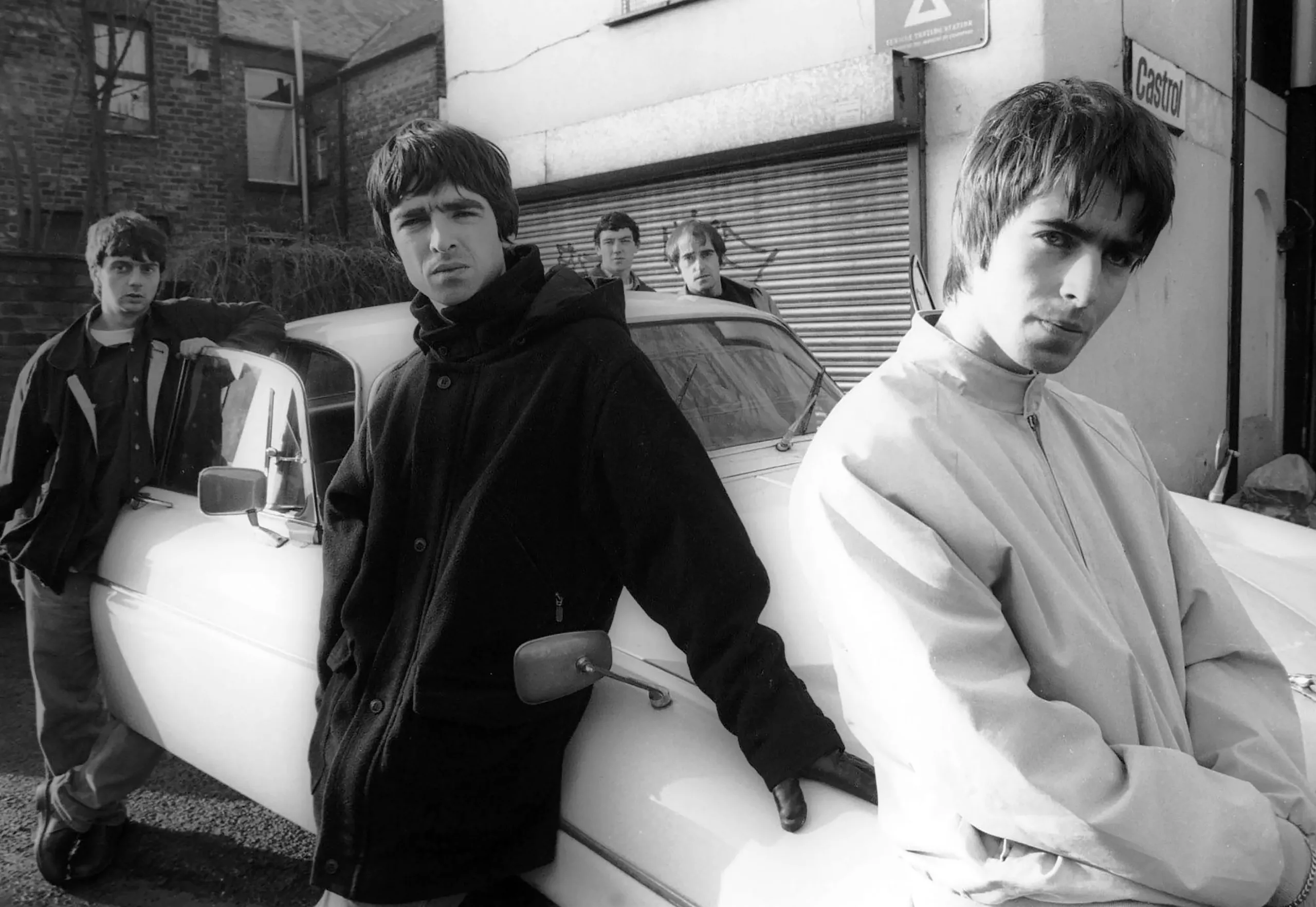
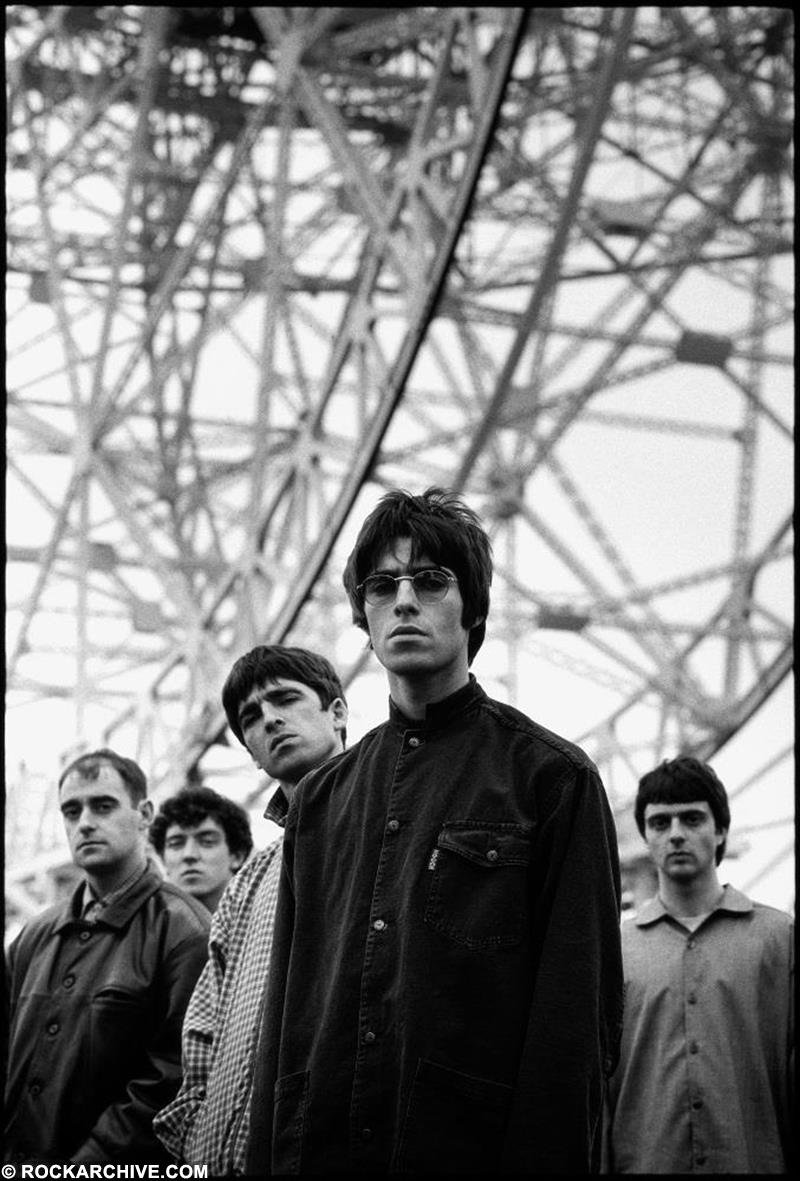
This morning, day four into the Venice Biennale, jazzed up on nocciola Greek yoghurt, I sat in the front row at the films premiere . If I could have been close enough to lick the screen without getting my press pass revoked, I would have. It was a thumping, joyful telling of one of the greatest bands in history, backed by an expectedly epic soundtrack. Two middle-class brothers whose breakup changed the world, and whose reunion tour has, in its own strange way, brought it back together again.

Opening with a montage of old clips from their humble beginnings, up to their infamous fallout in Paris in 2009 at Rock en Seine, the film then takes us into the present day: a rehearsal room (The Mill in Wimbledon) where Noel and the band await Liam’s arrival. Arrive he does, with full Liam swagger, calling shots and certainly not addressing the elephant in the room. As Knight said at their Venice press conference, “they’re British working-class men. So they’re not gonna high five, or hug or cry”, or get into a wild fight, as much of the audience might expect.

The film is a sincere celebration of nostalgia and rebirth, threaded with the very rock and roll colour they’re adored for. It’s a study of the brothers’ relationship, yes, but it leans further into what the band has meant to people around the world, and what their comeback tour brought to fans who had waited tirelessly in hope of relishing Oasis glory once again. The scenes travel to Brazil, Argentina, Korea, the UK and Japan, sharing stories of their fans: not “superfans,” Knight said, but people who had genuinely been changed by their music. As one person put it, some music will lift you up when you’re down, but Oasis falls down with you, and you get back up again together.

“We wanted to document the very genuine thing that was happening: the love and excitement coming from the crowds. That was integral in them coming back together,” Dylan Southern said. To do this, they had around 40 cinematographers from around the world attend the tour, with the only direction being to follow the emotion. What came from that was a sensitive portrait of what Oasis means to so many.

For all its brilliance, the film avoids the nitty-gritty: the details of their grand altercation, the back-and-forth that brought them back together, are largely skipped. But the film, which Knight says centres on forgiveness and reconciliation, isn’t meant to look back in time, but forward.

“I think it’s called Don’t Look Back in Anger for a reason,” Knight said. “What this film is about is now. What is happening right now. This is about people finding common ground, reconciling.”

As Liam felt after seeing the Stone Roses live in 1989, rekindling the hope that led him to start Oasis, I couldn’t help but leave the film similarly gassed up to start my own anarchic supergroup, one that might also change the world. I went for Heathen Chemistry (2002) down the Lido instead, and, as Knight had hoped, found myself reflecting on forgiveness too. Who would have thought… inspired by the Gallaghers.

Your next Read

It’s taken time for Melbourne to develop a winter culture, but RISING has been a …

There are few badges in the automotive world that hold as much emotional weight as …

With a beefed-up 250kW powertrain and all-wheel drive, Skoda has ensured that their first electric …

Where beauty embraces individuality, nourishment and science, sits Poets Atelier. The Australian skincare brand, co-founded …