83rd Venice Film Festival Review

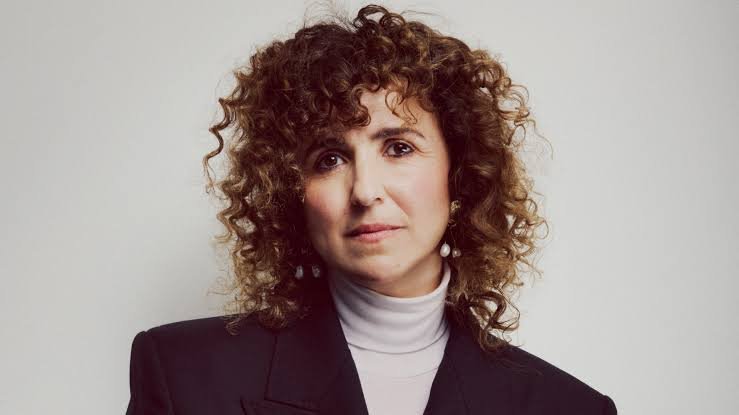
Woman Unknown Directed by May el-Toukhy

Black

“Woman Unknown” Goes Beyond the Typical Wartime Tale

6 September, 2026

Words by:

Sarah Palmieri

May el-Toukhy's Venice Film Festival premiere is a dramatic depiction of a woman haunted by a shameful past in post-war Denmark.

A woman in war is a story we’re often only shown a small facet of. A repeated narrative, a stereotype: the caring nurse, the woeful widow. It’s an easy trope to fill, especially when the sensitivity of men on the battlefield has been such a well-rewarded equation across cinema. I won’t name examples, trusting it won’t be too hard for you to summon one up yourself.

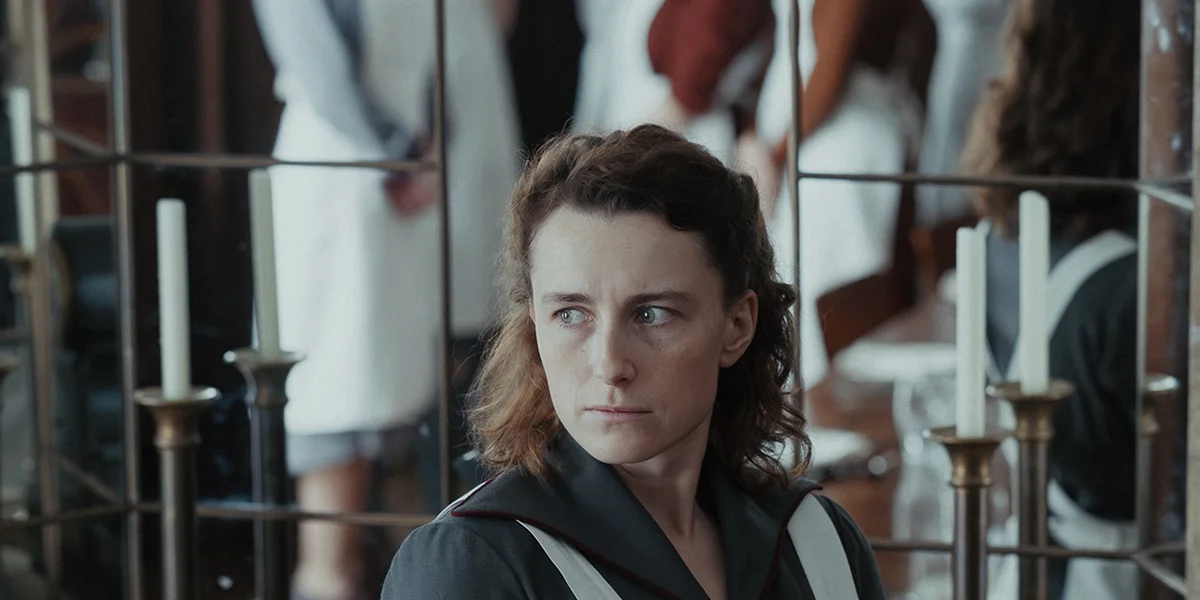
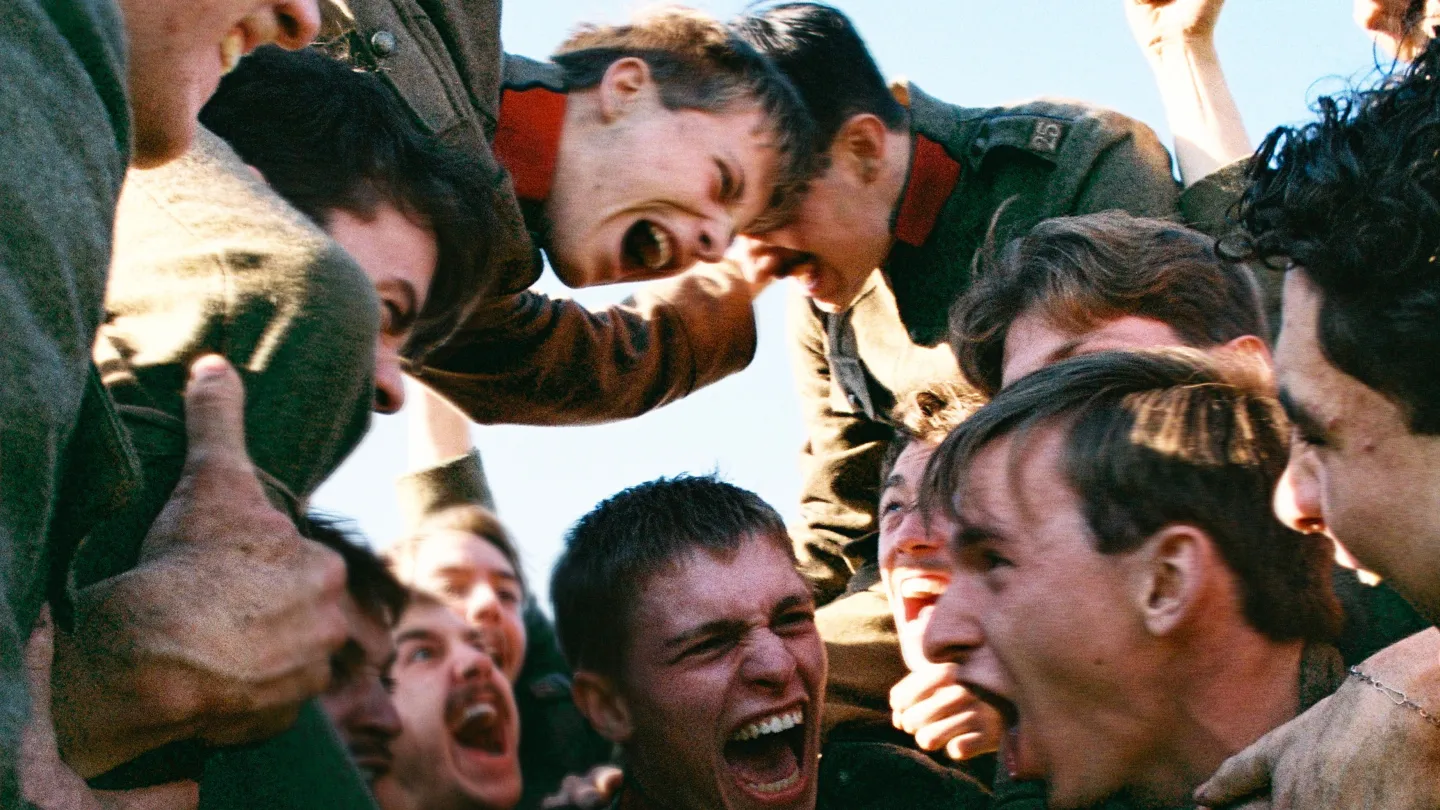
Danish-Egyptian director May el-Toukhy, best known for 2019’s acclaimed “Queen of Hearts,” returns with “Woman Unknown” (“Kvinde Ukendt”), which just premiered in the main competition at Venice. Written with longtime collaborator Maren Louise Käehne (the pair behind “Borgen” and “The Bridge”), the film shows little interest in retelling the war through its usual, well-worn complexities, and that disinterest is exactly what makes room for a new story. It’s a dramatic, bordering-on-thrilling tale of Marie, a mother played with a coveted and endearing demeanour by Mathilde Arcel Fock, whose life is shadowed by a relationship she had with a German soldier during the occupation.

Years on, with a child and engaged to marry Christian, played by Carsten Bjørnlund, the wealthy widower whose house she once worked in as a maid, the torments of her past resurface unexpectedly. She’s recognised by a man she went to school with, played by the striking theatre actor Thorbjørn Hedegaard, who has heard rumours of her reprehensible past. Around her, women are being dragged into the streets, stripped and shorn for their relationships with Nazi soldiers. It’s a piece of history el-Toukhy has been careful to root in fact over any kind of cinematic spectacle: the punishment, she has said, came from mob mentality rather than government order, and while the women “didn’t get killed,” their “souls were hurt” and they were “stigmatised and traumatised for life.”

El-Toukhy has woven the narrative alongside cinematographer Jasper Spanning (who also shot “Queen of Hearts” and “The Guilty”). The costumes, by Rebecca Richmond and Jūlija Volkinšteine, could have been pulled straight off a Margiela runway. Frankly, it would be worth watching just with this in mind.

In many scenes, the film takes the female body and displays it as a battlefield, a site the post-war order felt entitled to police, brutalise and claim as its own. As she’s put it herself, there have been so many films about the Second World War, but almost all of them are built on men’s experiences and memories of it. She’s said she’d happily watch another hundred films about the women of this period before she’d call the era thoroughly told.

There’s a pretty uncomfortable irony to the fact that el-Toukhy is one of only two women directing a film in this year’s main competition at Venice. It’s a lineup she’s spoken candidly about for its gender imbalance, telling the press she’s often “the only woman in many, many settings.” A film built entirely around the cost of being a woman under a system built by men, premiering into exactly that kind of room, makes a bigger cultural statement about how filmmaking is rewarded, distributed and showcased today.

So it is no surprise that every detail is thoughtful, carried through with ease, in a film that seamlessly holds the complexities of relationships, war, motherhood, politics and gender. It is the level clearly expected of a female director at Venice, and el-Toukhy exceeds the standard. When put beside the other films competing in the festival’s most prestigious category, “Woman Unknown” is an undeniable standout.

Your next Read

For two months, I worked as a barista at Butler, a small cafe in Williamsburg, …

As May approaches, so does the Cannes Film Festival, where the red carpet will soon …

Jerry Saltz pulled in one of the hottest audiences Australia has to offer. Sincerely, I …

I came across it the way you come across most things worth knowing about: by …