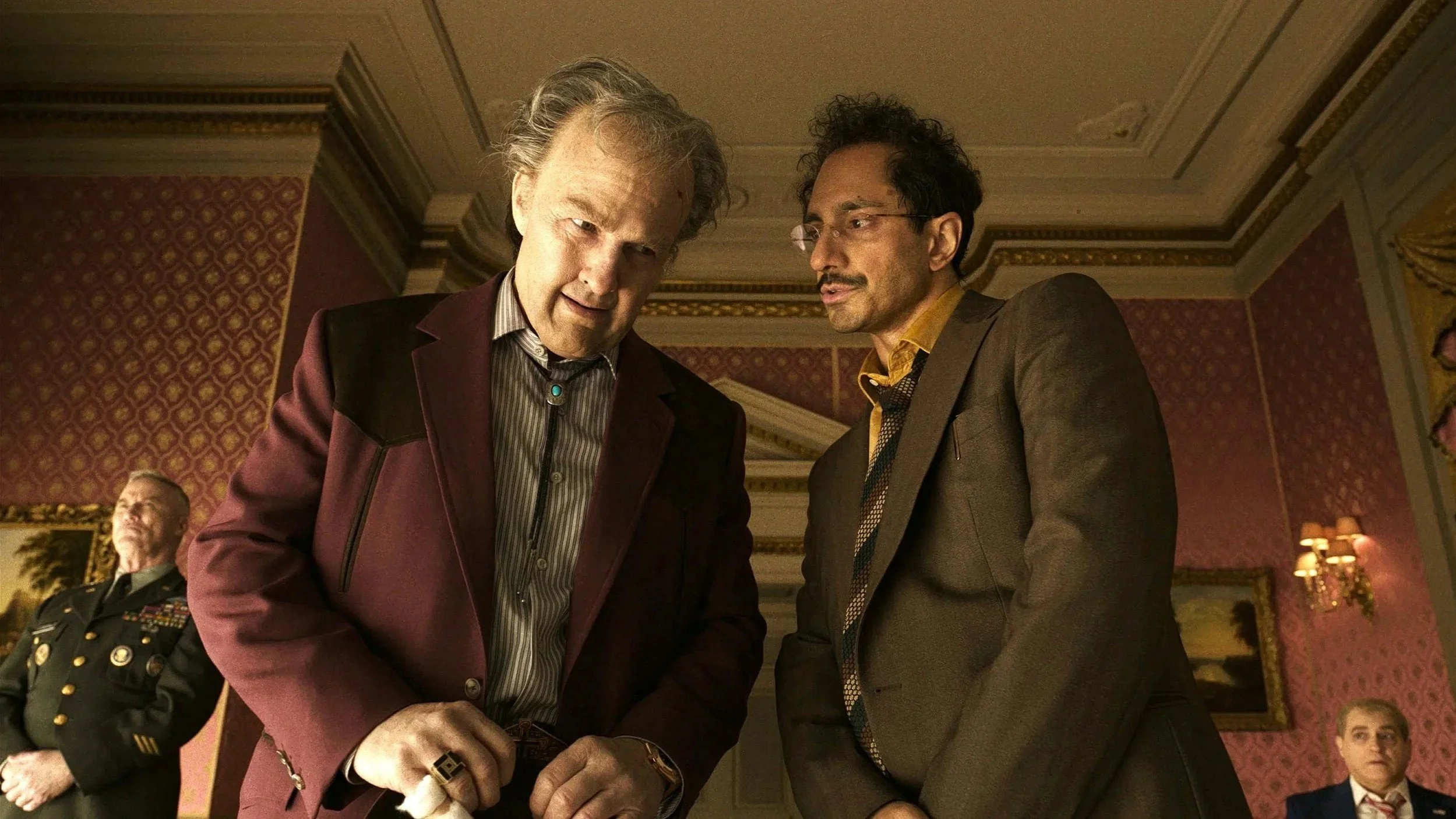
Thirty-four days of freedom, one woman who lied to the world, and one man who can’t stop staring.

White

Fielder and Holmes Freak Off in A24’s “You Can See Everything”

11 November, 2026

Words by:

Sarah Palmieri

Director Lance Oppenheim spent three years secretly filming disgraced Theranos founder Elizabeth Holmes, and the result is the most talked-about documentary in decades.

There once was a lady with scraggly blonde hair, a lady with a dream to achieve big things. This lady wore black turtlenecks and painted her lips red. A smart lady, a cunning lady, a lady named Elizabeth Holmes. She rose to riches with an invention like no other, a blood-testing device named Theranos. It was a device that, with just a drop, would solve all of our worries. This lady with the black top was going to change the world.

Billions flooded in for her cunning idea, along with fame, celebrity and gushes of approval. “Youngest self-made female billionaire,” the magazines declared. It was everything she could have dreamed of.

But as so many of the greats go, as quickly as she soared, she came plummeting down. For Theranos was not a great invention but a greater ruse, and Holmes was not a genius inventor but a liar.

The scraggly-haired woman is a national disgrace. There’s even a hit Hulu show that plays out her devilish ways. Soon it’s decided she must be banished to prison. Eleven years, the judge says, for all of her atrocities, her unmet promises, all the people she has let down across the world. It was time for Holmes to pay.

And so the story arrives at now, or at least the A24 documentary does. There are 34 days until Holmes is locked up behind bars. She will spend those 34 days in her seaside home alongside her partner, Billy Evans: an overbearing, painfully controlling, egotistical, misogynistic, narcissistic and frankly foul-mouthed nepo baby. With them are her real babies, toddler William and newborn Invicta. They take in the days of family life, the sweet memories one might savour before a decade of concrete in her looming Texan Shawshank.

Then, from the shadows, someone else arrives. An awkward, intelligent and bashfully charming man. A salt-and-pepper neurodivergent fox, greyer by the day. His name is Nathan. Nathan Fielder. And he brought with him not a horse, or a sword, or a grenade, but an army of cameramen led by documentary darling Lance Oppenheim (director of Primetime)
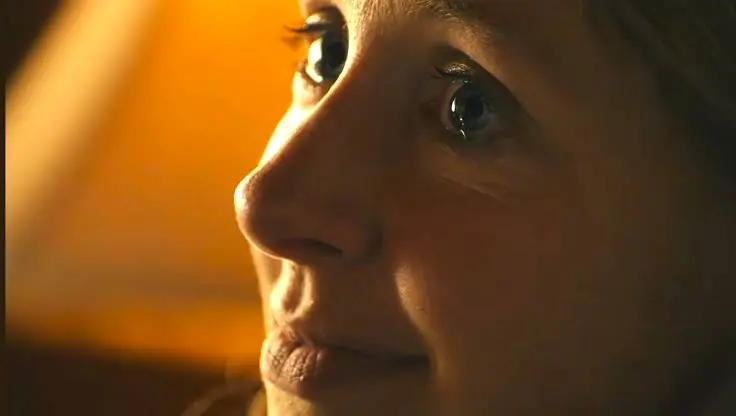
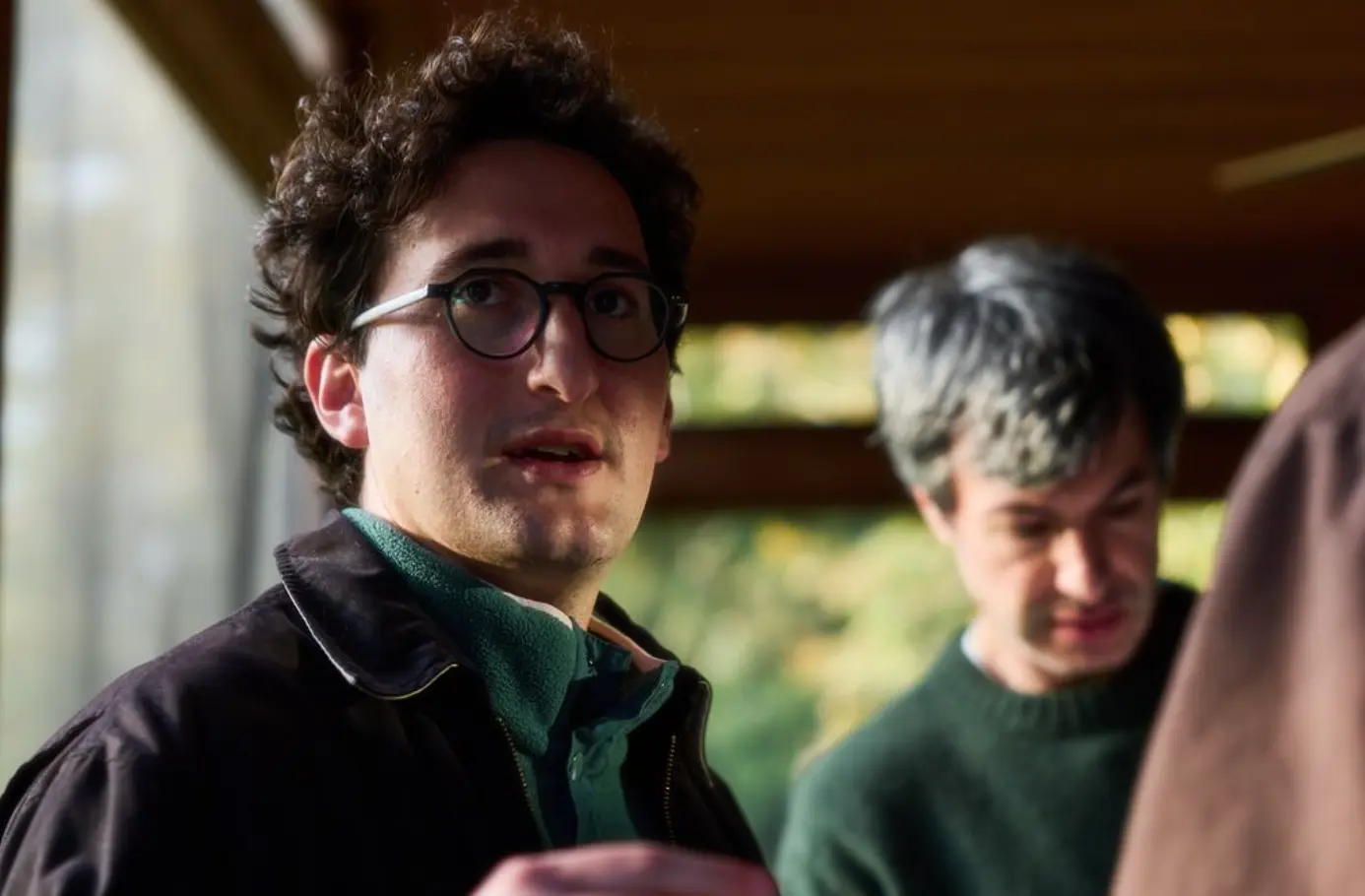
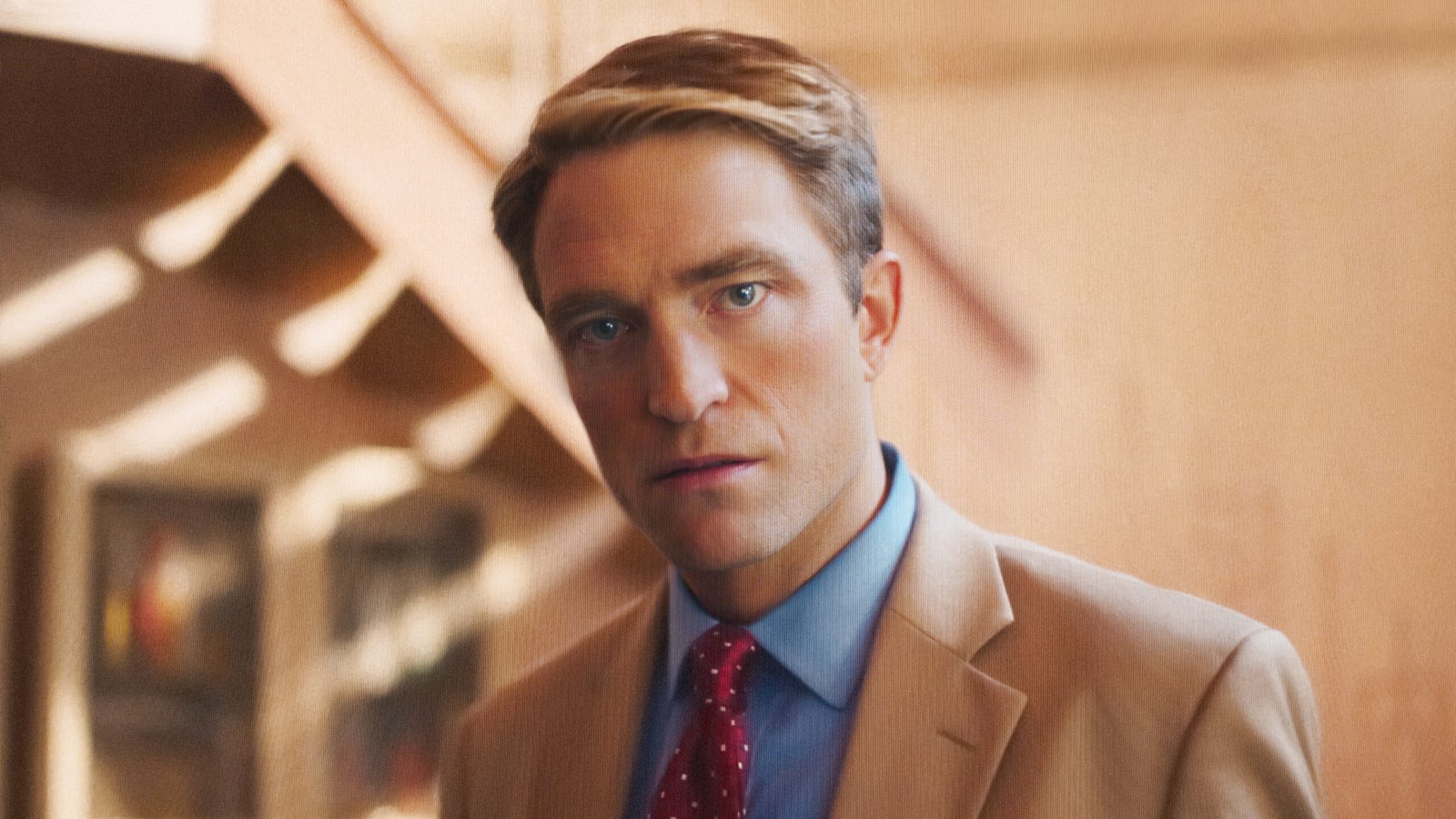
For years there were whispers that Fielder had been visiting Holmes in prison, but nobody knew for sure until September. That was when A24 slipped the film into the Telluride Film Festival as a surprise, no-phones screening. Few people had even known it existed, and within days it was the most talked-about film of the year. Ahead of its New York Film Festival premiere, fans queued outside Lincoln Center from 3 a.m. What began as 34 days of filming in the spring of 2023 grew into a three-year odyssey, and the result is a hefty 174 minutes. Fielder isn’t just behind the camera. He’s in it, peering through windows, lurking around corners and eventually moving in with Elizabeth and Billy. Oppenheim mostly stays off-screen, the steady hand behind Fielder’s chaos, with a background in gentler, slow-burn character studies.

“You can see everything,” Holmes texts Fielder at one point, which is how the doco earned its name. Made for a reported $7 million, it opened on October 16 to an estimated $15 million from just 855 screens. Only Street Fighter earned more that weekend, and it was one of the biggest documentary openings in decades. More than 2,000 screenings sold out in the first weekend alone. It has since passed roughly $80 million at home and is eyeing $100 million. Part of the credit goes to Oppenheim’s fine taste, and part to the pairing of two frankly insane characters. One is the neurodivergent, beloved Fielder, known for Nathan for You and The Rehearsal, the master of cringe who will go to any length to build an elaborate fake world. The other is the hated but mysterious Holmes, known for building a fake one worth billions.

The film relies on its characters, four of whom take centre stage: Fielder, Holmes, Evans and, about halfway through, Amanda Seyfried, who played Holmes in The Dropout. At one point, Fielder replays a few of Seyfried’s scenes as Holmes. Fielder and the couple sit on the bed, playing into an often alluded-to sexual tension, as if they’re about to strip down and go erotic. Holmes is tortured by the re-enactment and curls up on the bed in the foetal position. When Seyfried is later shown that footage, she feels the same.

And so the story goes on, made all the funnier by wondering how the hell these people all got there. What is true and what is false? Am I seeing everything, or a great act by our generation’s greatest con artist?


Gasps came from the audience just as often as tears came from Holmes. “I used to not be able to cry,” she says at one point, while a single cinematic drop streams from her often wide, rarely blinking eyes, the kind Fielder stares into hoping to find answers.

It’s those answers that, for all the fun expeditions, ultimately don’t arrive. The film takes you on a slow, simmering journey. It’s an entertaining one, but it still finished and left me wondering: and what?

That seems to be what Fielder himself continues to feel, or at least what he’s saying on the press circuit. “I really am struggling to this day to understand exactly what I experienced,” he told the Telluride crowd. “I don’t know why I’m there,” he admitted at another point. Holmes, for her part, insists, “I’m always being real.”

This hyper-ironic comedic play sits comfortably beside the likes of Succession, Ruben Östlund’s Triangle of Sadness and The White Lotus, though those are about a specifically white, old-money upper class. Holmes, for all her lost billions, belongs to her own strain of that world. She is Silicon Valley royalty of the girlboss era, a queen who faked her crown and now lives off her partner’s inherited fortune.

Brilliant? Yes. Revolutionary? Yes. But flawless…feels like an unrealistic expectation for a documentary where you can only control so much. Even with a 100% score on Rotten Tomatoes, it has its downfalls: most notably in a payoff that never quite pays. Still, it’s an epic documentary of our times, one that I’m sure will earn more and more credit as time goes on.


Your next Read

It’s 2006, and Chris Hansen’s To Catch a Predator, the hit Dateline NBC segment, is …

It’s 2013. My dad has just shown me Jack Nicholson’s “You can’t handle the truth!” …

There’s something about watching a real-life love affair onscreen. Not in a Bachelorette kind of …

A woman in war is a story we’re often only shown a small facet of. …