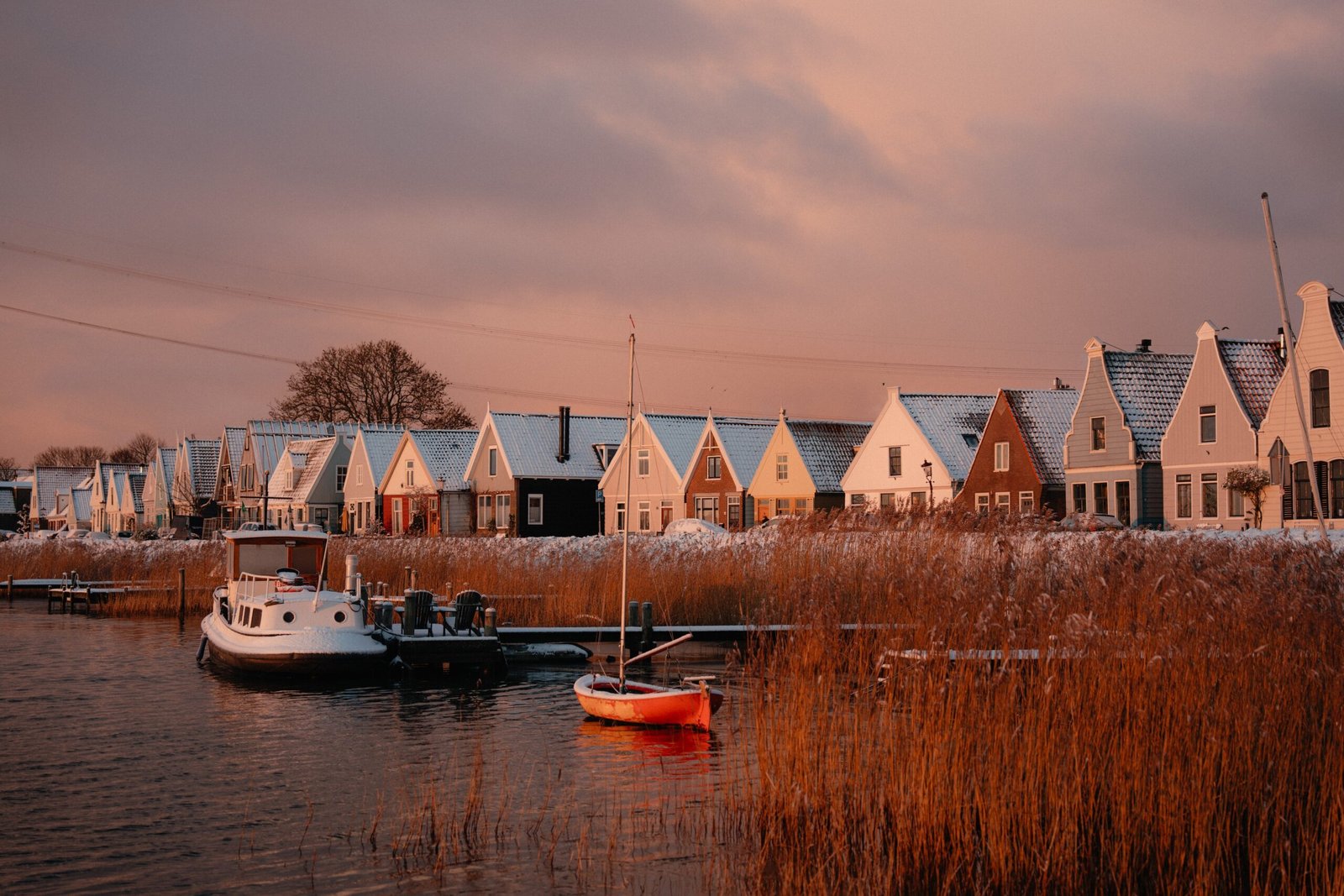
Fifteen minutes is not usually enough time to feel as though you have left a city behind. In Sydney, it might barely get you clear of the inner suburbs. Yet one minute I was sitting canalside having lunch at Kikkie van de Prinsensluis, the next I was in an Uber heading towards De Durgerdam, passing a little row of timber houses, boats and open water that seemed to belong to an entirely different version of the Netherlands.
That almost comical change of scenery is De Durgerdam’s first trick. The hotel sits only around six kilometres east of central Amsterdam and, in good traffic, the trip from the city can genuinely take about 15 minutes. The transition is quick enough to be slightly jarring. There are reminders that Amsterdam has continued to grow outwards, with newer apartment blocks and high-voltage infrastructure occasionally appearing across the landscape, but Durgerdam itself seems to have resisted much of that momentum. Along the waterfront, people still walk dogs, work on boats and chat across garden fences. The change of pace is enough to give you whiplash.
Calling it a rural escape would be overselling the fantasy. Durgerdam feels semi-rural rather than remote, and that distinction is part of its appeal. You can still sense the city is close, yet the village has a pace and visual identity that feel distinctly separate from it. It is Amsterdam, technically, but not the Amsterdam of canal rings, bicycles stacked against bridges and overcrowded museums.
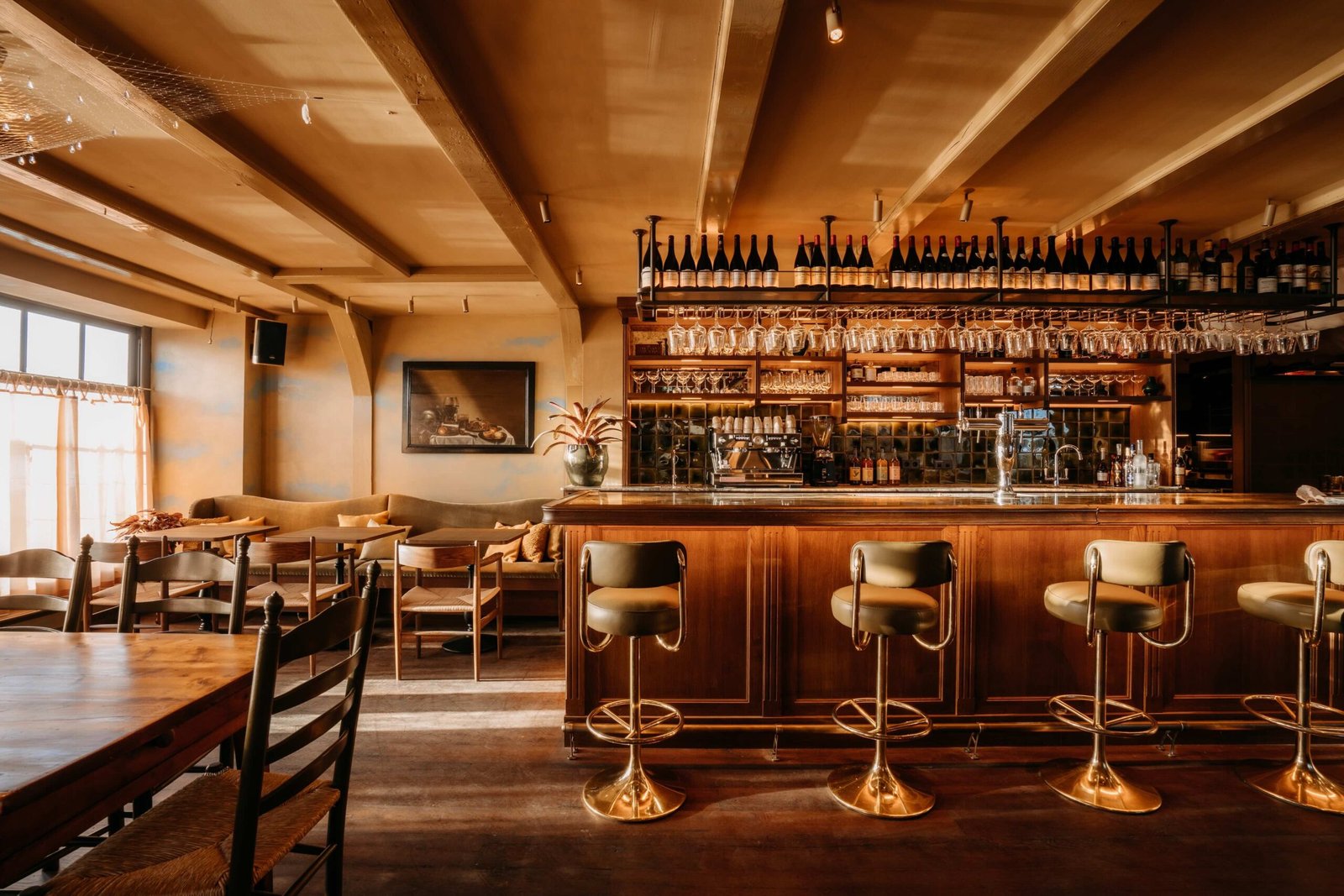
De Durgerdam occupies a building that has been welcoming people in some form since 1664. Over the centuries, it has operated under names including Prins te Paard, De Oude Taveerne and, more recently, Zuyderziel, while Durgerdam itself grew from a fishing and trading settlement. The hotel that opened in 2023 is small, with 14 rooms including three suites, restaurant De Mark downstairs, a drawing room and wine nook tucked into the building, and the IJmeer, the freshwater lake bordering the village, directly outside.
None of this history would matter much if it had been restored badly. Old inns and fishermen’s cottages have become irresistible raw material for boutique hotels, and the formula can go wrong in two directions. Either the building is polished until almost nothing old remains, or every historical detail is exaggerated until the result resembles a very expensive theme park. De Durgerdam somehow lands between those two extremes.
Amsterdam-based Aedes began the restoration in 2019, dismantling much of the 17th century structure and effectively putting it back together while retaining as much significant material as possible. Buro Belén, the local design studio responsible for the interiors, then worked with those existing layers rather than trying to erase them. You notice the philosophy before you know the story behind it. Timber bears old marks, nails and imperfections remain visible, and the original staircase leading from De Mark towards the upstairs rooms has been worn down by generations. It is clearly a contemporary hotel with serious money and attention behind it, but the building has not been renovated to the point of losing its essence.
That staircase was one of the first details I noticed. It functions almost as a bridge between the public and private parts of De Durgerdam. Below it are the restaurant, kitchen, glasses and the chatter of prep for the night’s service. Above it, the old house becomes quieter and more intimate. My room was one of the three suites in the historic main building, looking towards the rear of the property and surrounding greenery rather than directly over the lake.
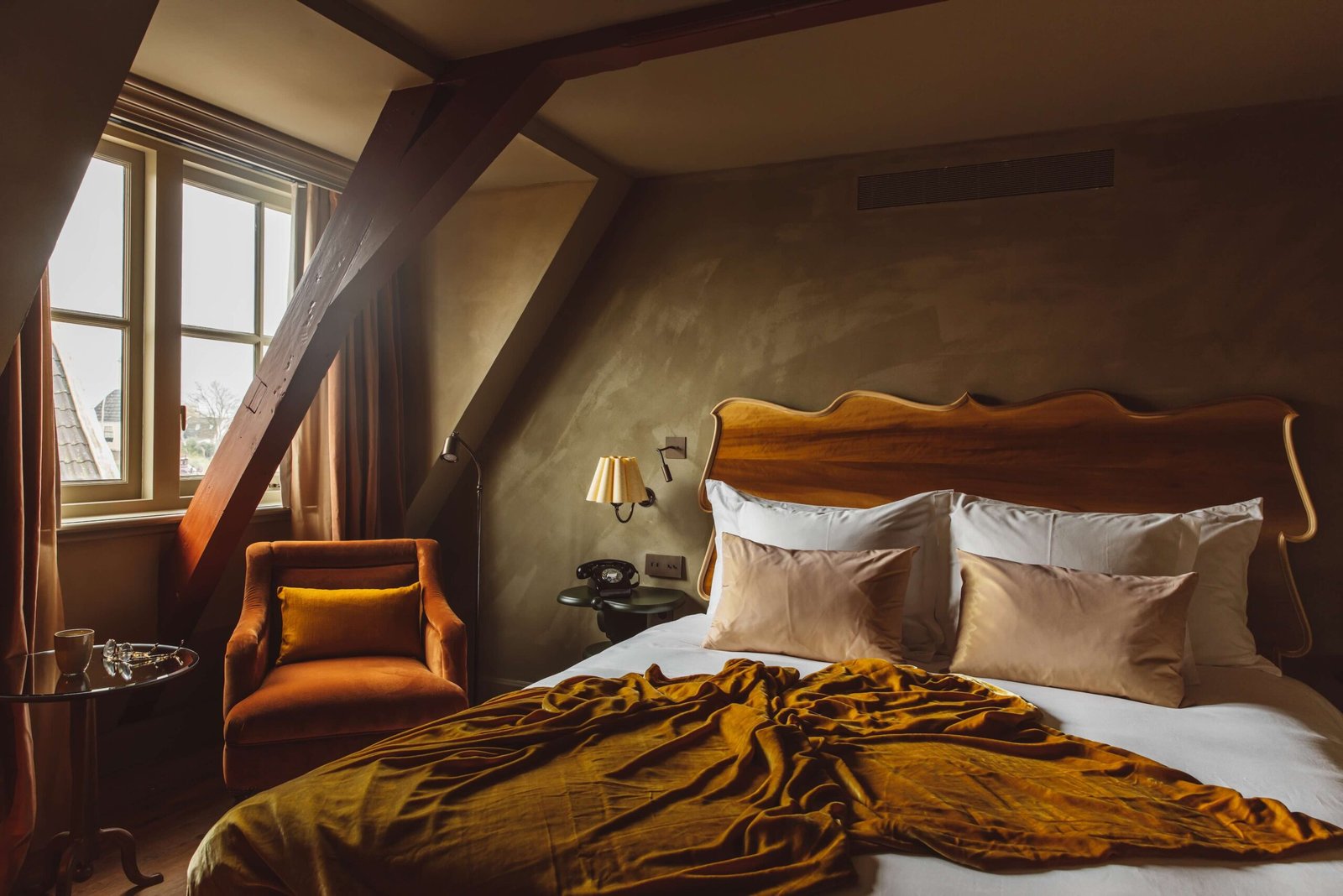
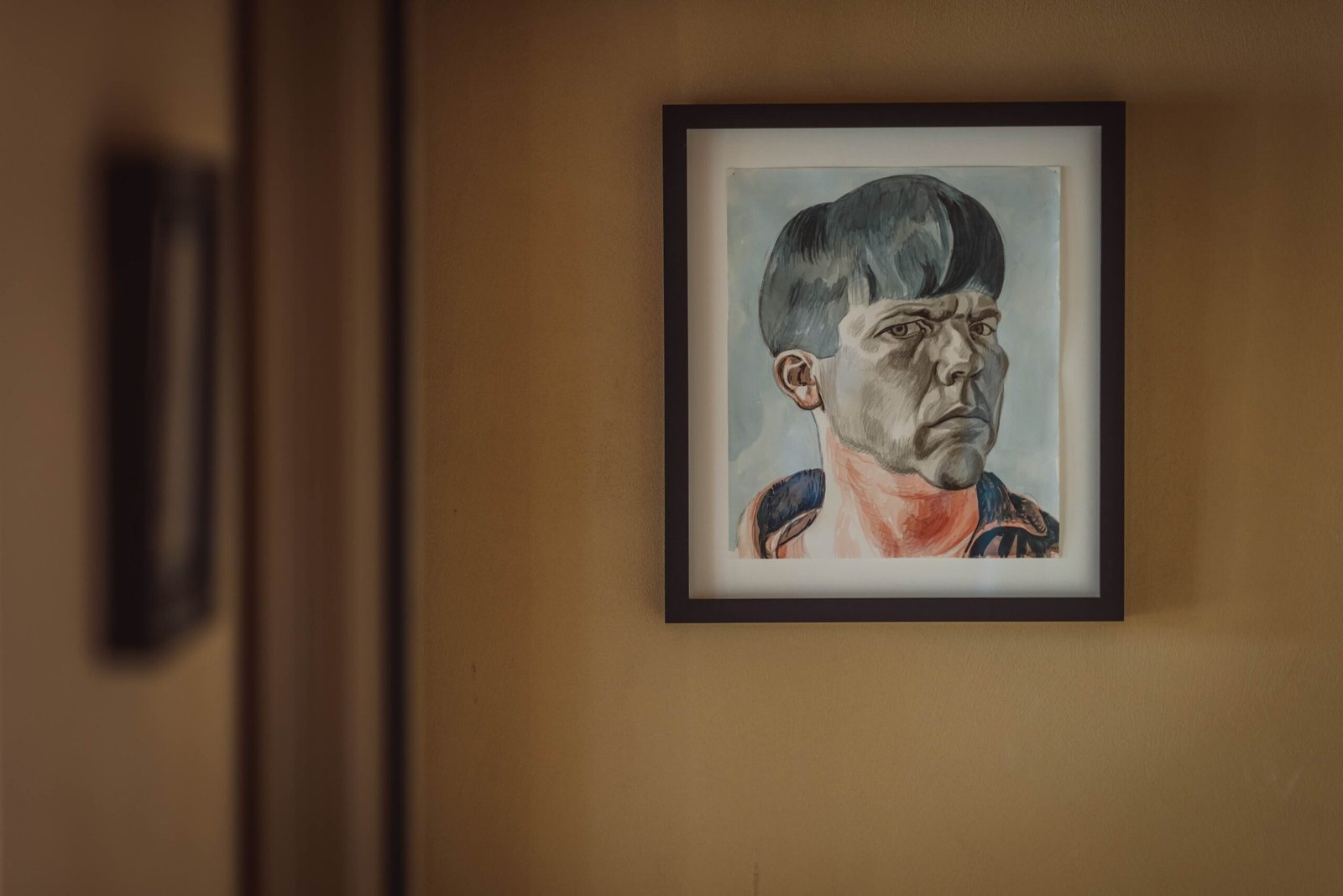
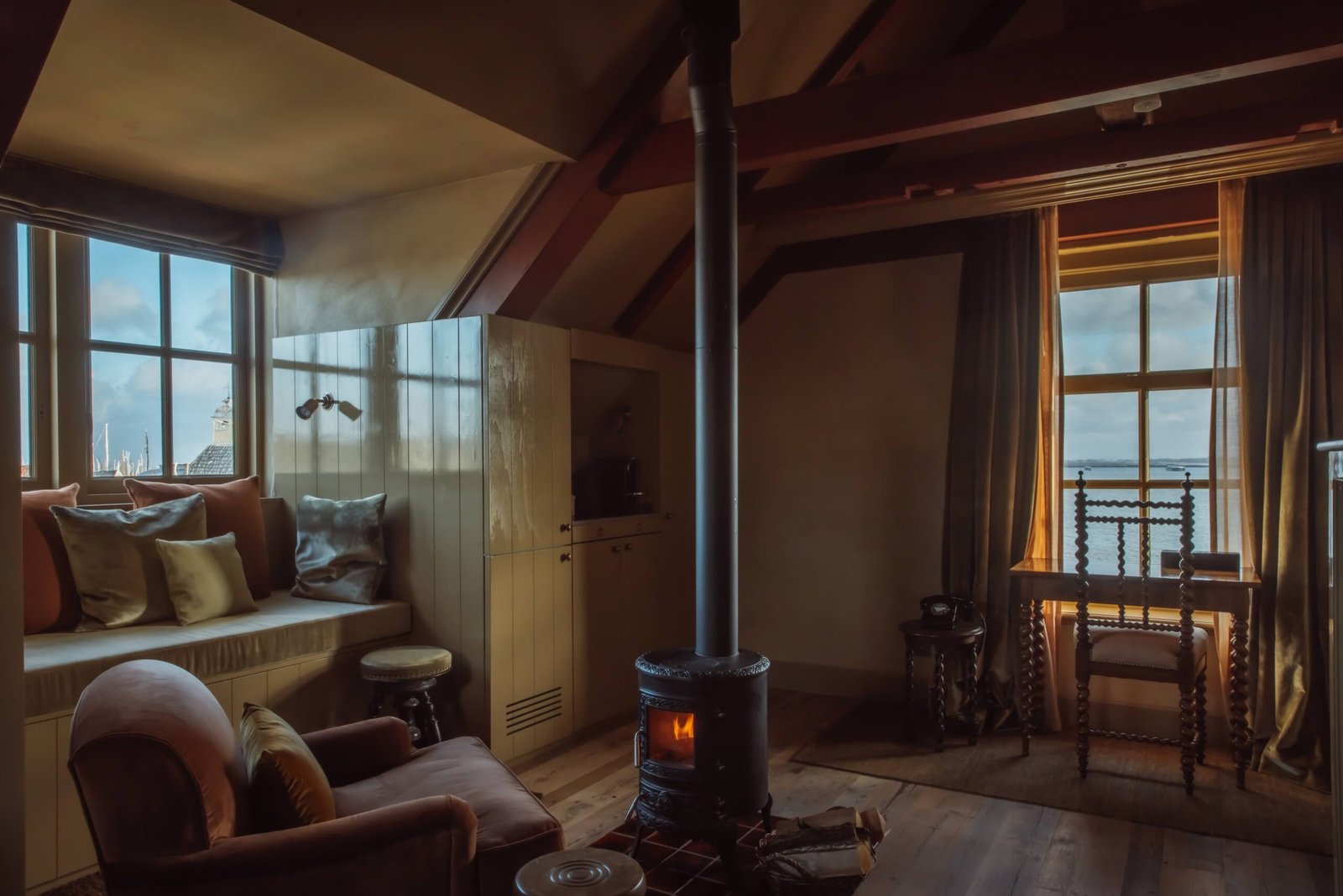
Inside, the same restraint continues. A headboard made from local tulipwood curves and ripples in reference to the surrounding water, while the bathroom combines stone with bespoke tiles from Royal Tichelaar Makkum, the oldest ceramics company in the Netherlands. A silk velvet throw is draped loosely across the bed, reflective and slightly fluid rather than showroom perfect, and artwork sits comfortably among the furniture instead of looking as though it arrived in the final week of fit out. Hanging near the entrance was a sky blue raincoat made in collaboration with Amsterdam fashion house KASSL Editions, something that makes perfect sense in a village defined by life around the water, but would look equally at home making a statement on the streets of Amsterdam.
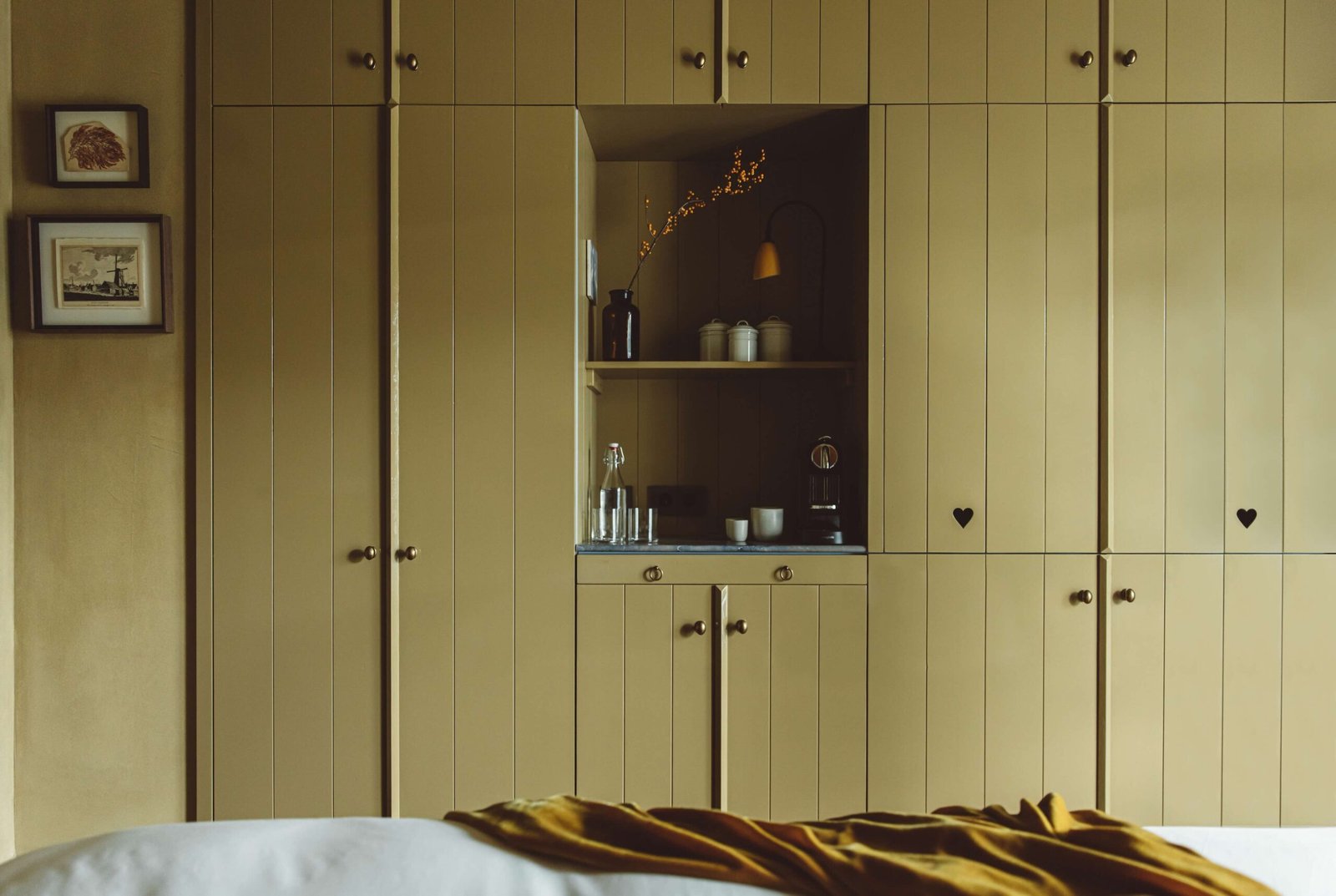
The room is warm without becoming twee, which is a more difficult balance than it sounds. There is a tendency for places chasing cosiness to drift towards a kind of highly styled nostalgia, full of objects designed to tell you repeatedly that the building is old. De Durgerdam rarely does that. Instead, the history is absorbed into the material choices. Brick reds reference the colour of traditionally tanned sailcloth, flax fibres recall the rope making that supported the local fishing industry, earthenware tiles reference those used around the old Zuiderzee, and carved timber and painted joinery draw on regional craft traditions.