It was my first time in Oslo.
Naturally, before I arrived, I did the usual mental scan of friends who had been recently, specifically the ones whose opinions I actually trust or, better yet, the ones who live there. I found one. He sent me his favourite spots on Google Maps; I started adding a few of my own, and pretty quickly the map looked like it had a mild case of chickenpox.
Then I searched Oslo a couple of times on Instagram and suddenly my feed decided I was moving there. Harbourside saunas, natural wine bars, cinnamon buns, beautiful people jumping into freezing water and coffees that seemed to cost about $20 AUD. By the time I rolled into Oslo S, or Oslo Sentralstasjon as us locals call it after approximately 20 minutes in Norway, I had three nights planned and enough saved recommendations to keep me busy for a month.
Normally, on first trips like this, you neglect the hotel choice a little. You check in, dump your bag and head straight back out because you have about 300 boxes to tick and no idea when you’ll be back. One of Oslo’s most iconic hotels, Sommerro, made that extremely difficult.
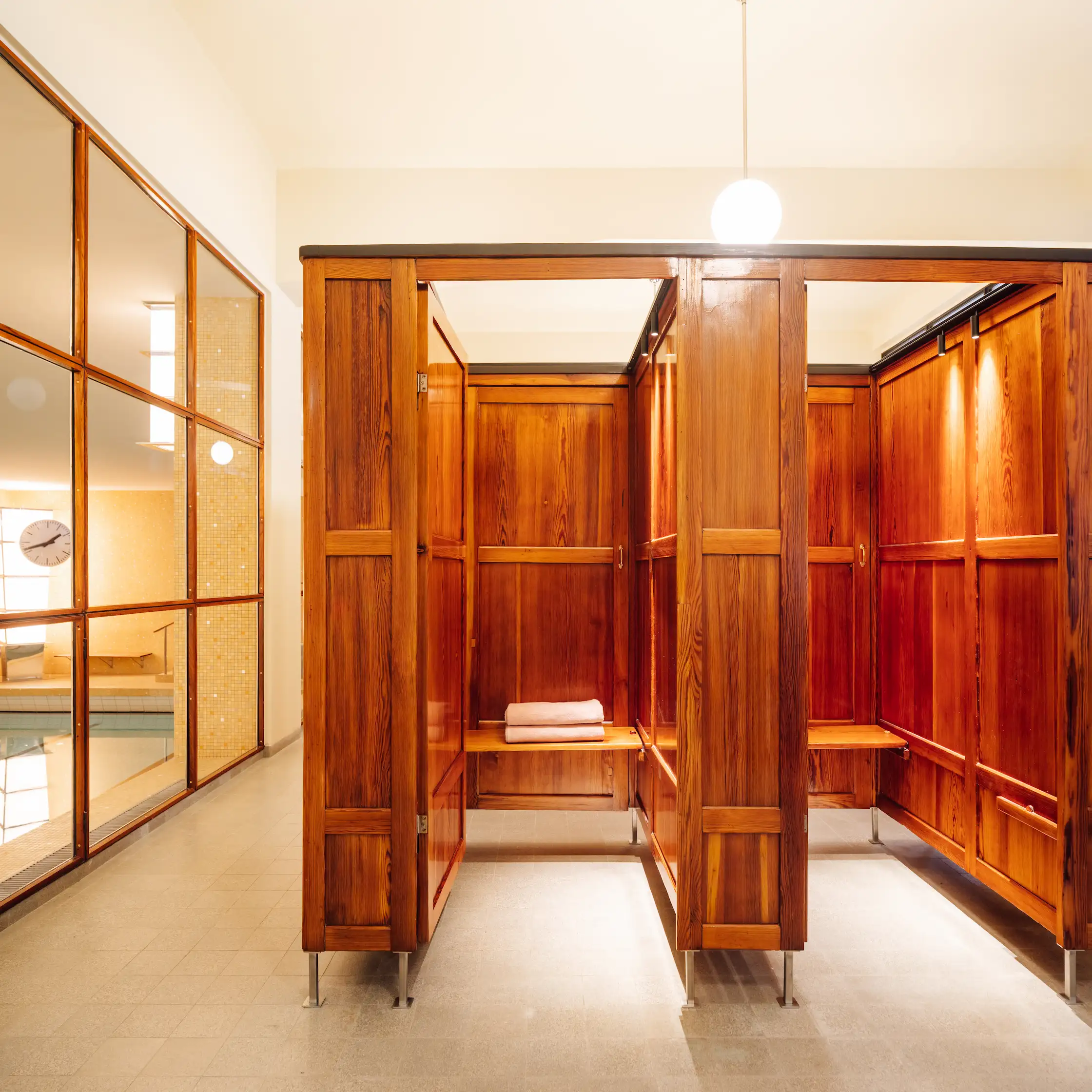
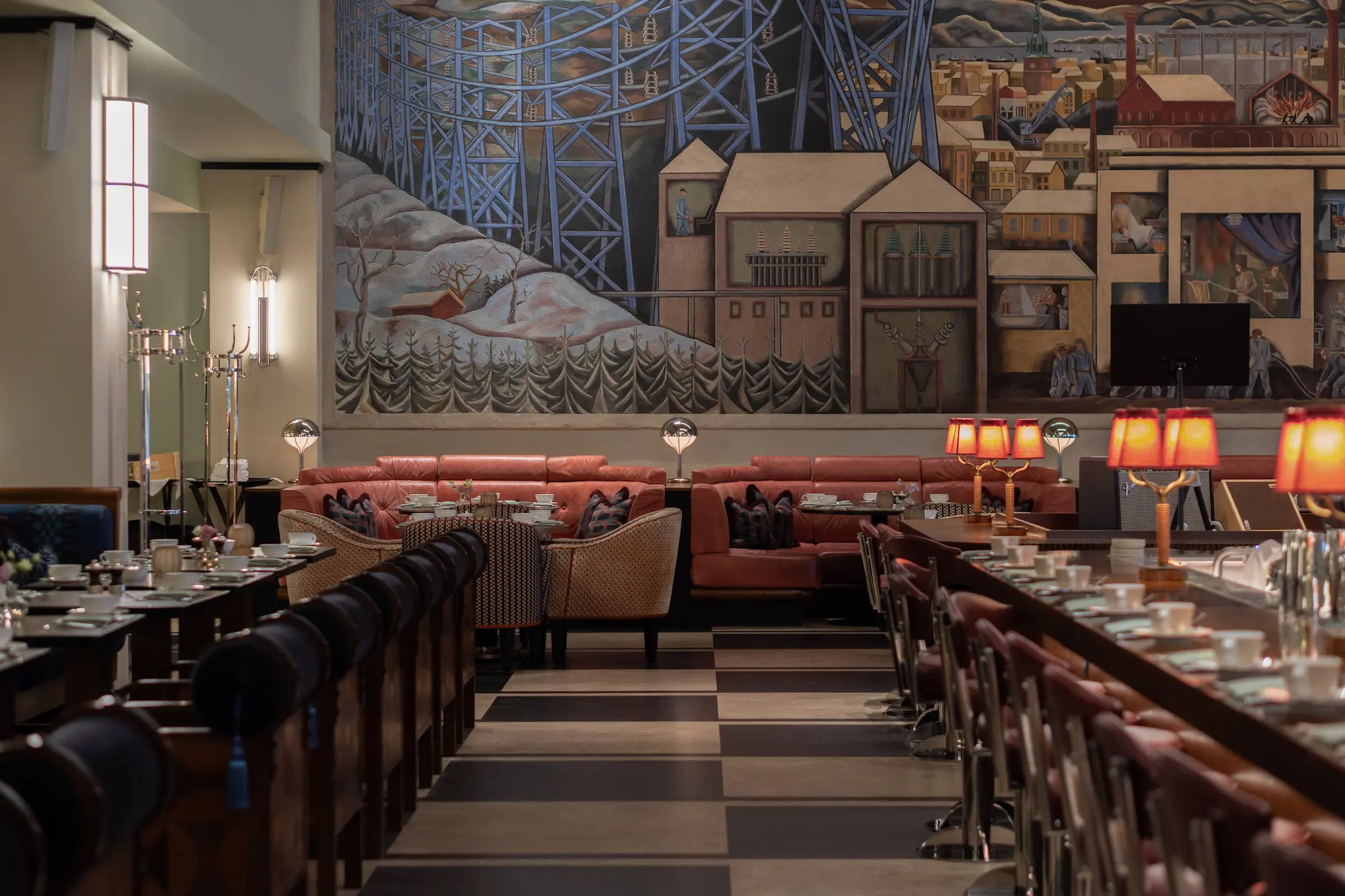
Opened as a hotel in 2022, Sommerro occupies the former headquarters of Oslo Lysverker, the city’s old electricity company. Designed by Norwegian architects Andreas Bjercke and Georg Eliassen and completed around 1930, it was an ambitious civic building from the beginning: part office, part public institution and part expression of a city modernising around electricity. Vestkantbadet, the public baths downstairs, followed in 1932. Almost a century later, much of that identity remains, with original works by Norwegian artist Per Krohg still embedded throughout the building, including the enormous fresco in what is now Ekspedisjonshallen, the main brasserie and dining room. Old meeting rooms, public spaces and the baths have been restored rather than stripped out and loosely reinterpreted, while the original motto, Lys, Kraft, Varme, meaning Light, Power, Warmth, feels almost suspiciously well suited to the building’s second life as a hotel.
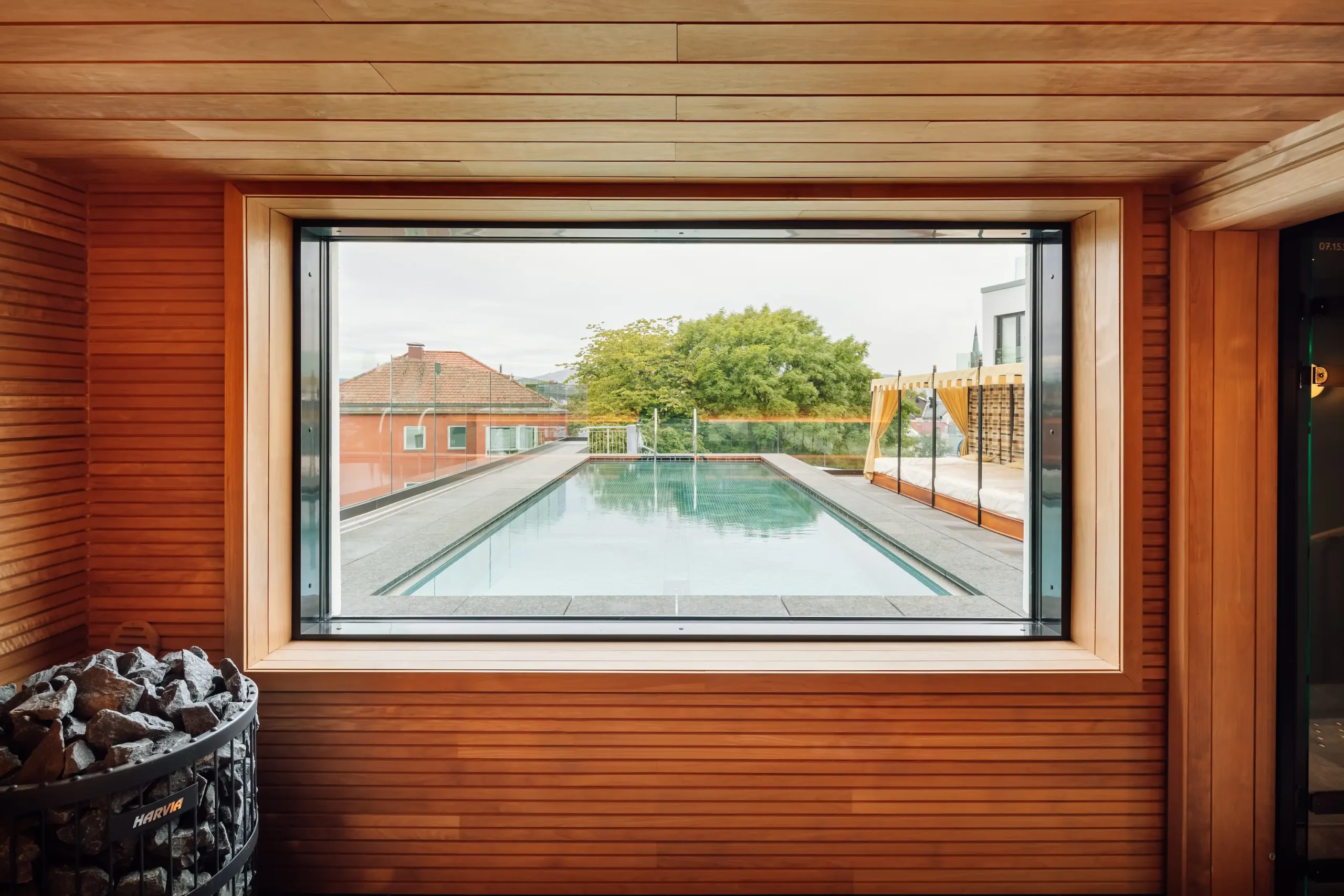
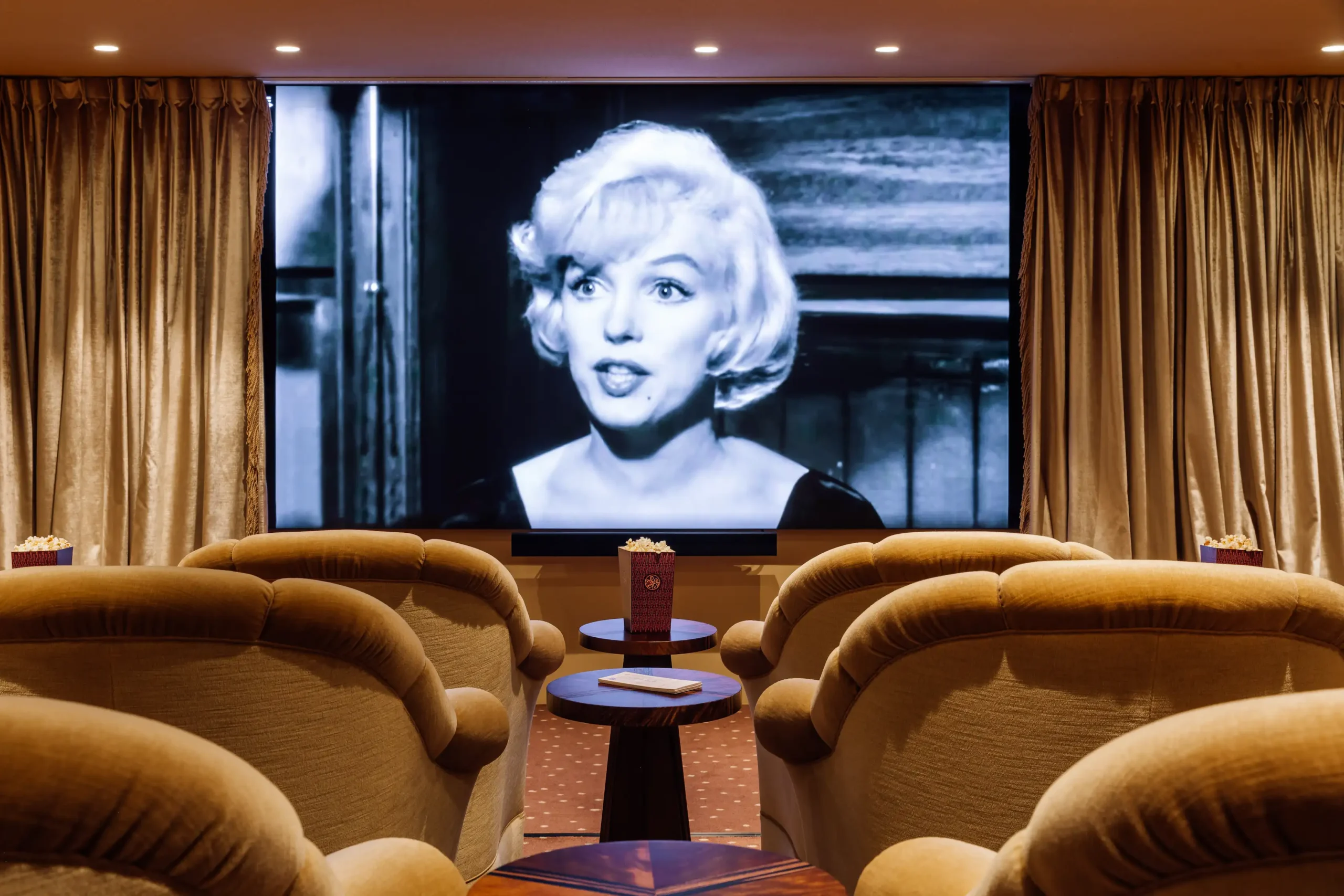
Sommerro isn’t small either. There are more than 200 rooms, multiple restaurants and bars, event spaces, a cinema, a rooftop pool, a spa and an unusually substantial gym. On paper, that sort of scale might have you wondering whether you are going to spend half the stay waiting for a lift, or whether something this complex could possibly make you feel like anything other than another room number. Strangely, it never really does.
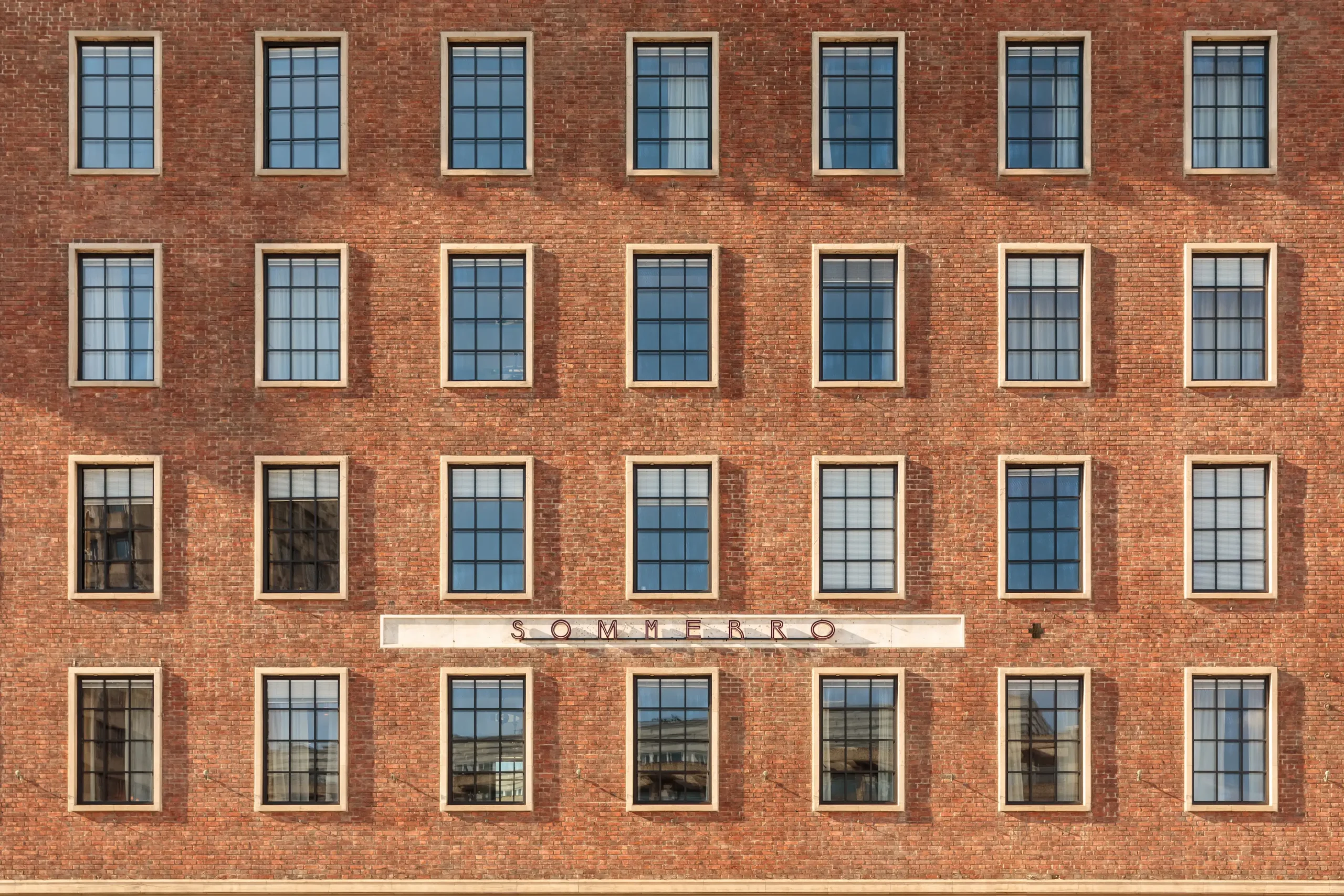
I arrived by tram, and the building was hard to miss. Grand, certainly, but not in a way that suggested I should reach for the one button up shirt I had packed before checking in. The same was true inside. There were hotel guests, locals meeting for drinks, people heading to the gym and others who seemed to have simply wandered in because the building was part of their neighbourhood. Sommerro is obviously a luxury hotel at its core, but it never felt overly precious about it, which is important because the architecture could easily have tipped the whole experience into something much stuffier.
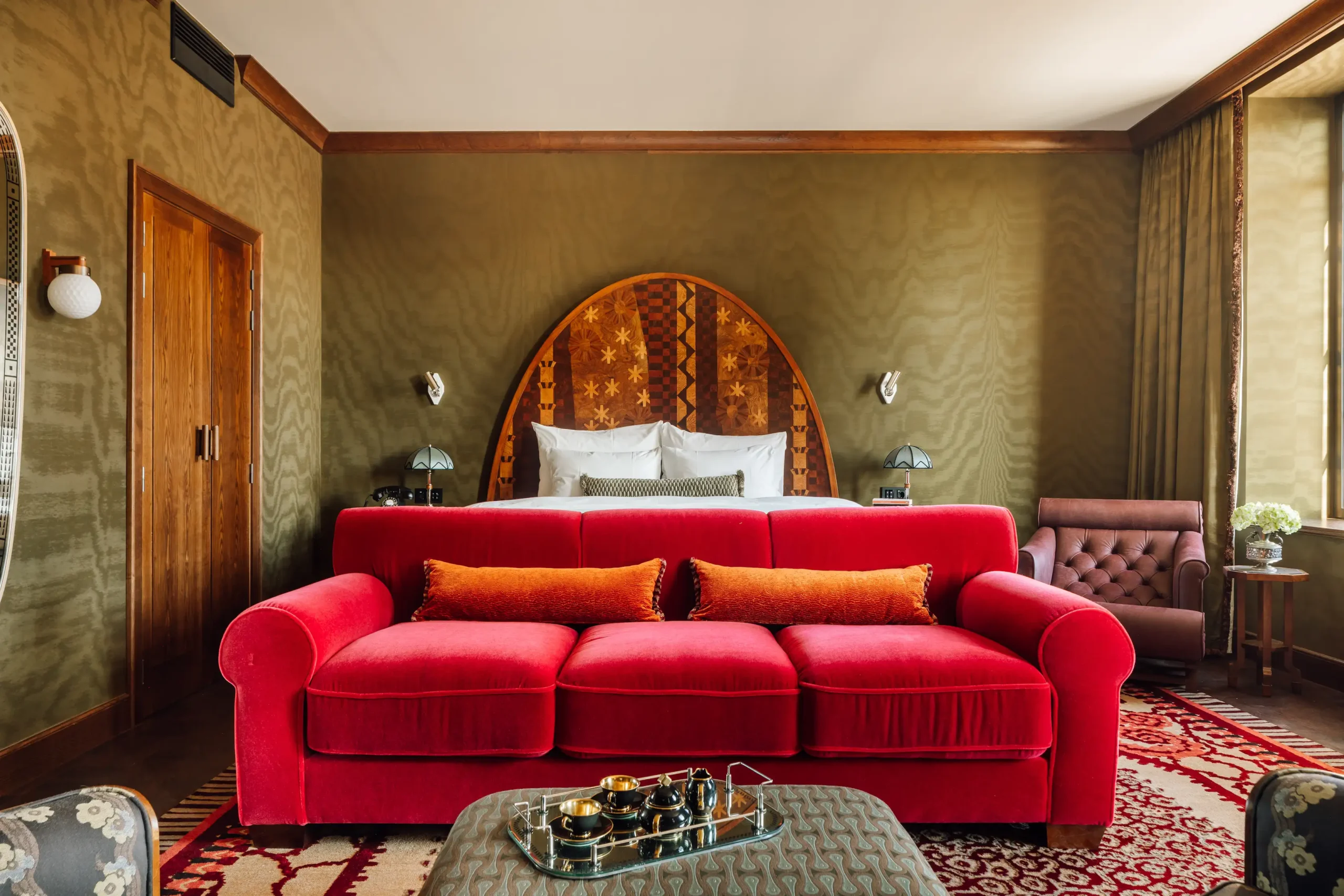
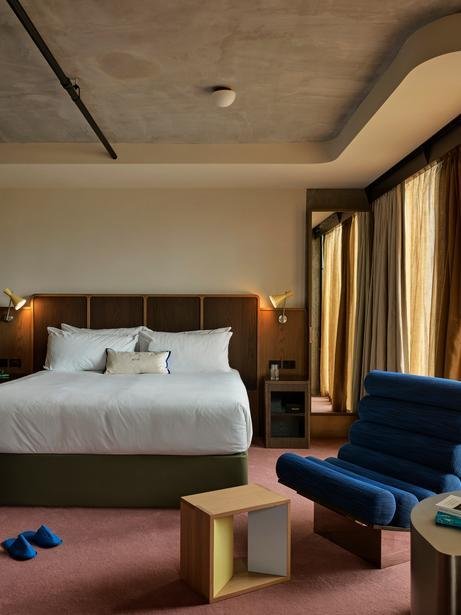
The building mixes neoclassical and functionalist architecture with Art Deco detailing, while the interiors by GrecoDeco lean into Norwegian design history rather than simply dropping some brass fittings and velvet furniture into an old building and calling it the 1930s. My room followed the same logic. Timber, rich colours and geometric detailing gave it weight, while the doors were genuinely built like Will Skelton. Everything felt solid in a way modern hotels rarely do. At the same time, the technology had been integrated quietly enough that nothing felt compromised in the name of period accuracy. There was even an “all off” setting on the wall switch, sparing me the usual late night spiral of trying to work out which of the 20 switches in a luxury hotel room will finally kill that one remaining lamp. It was historic where you wanted it to be historic and contemporary everywhere you actually needed it to be.