Artist Q&A

Morten Kantsø’s upside down world

White

Morten Kantsø’s upside down world

21 October, 2026

Words by:

Cobey Bartels

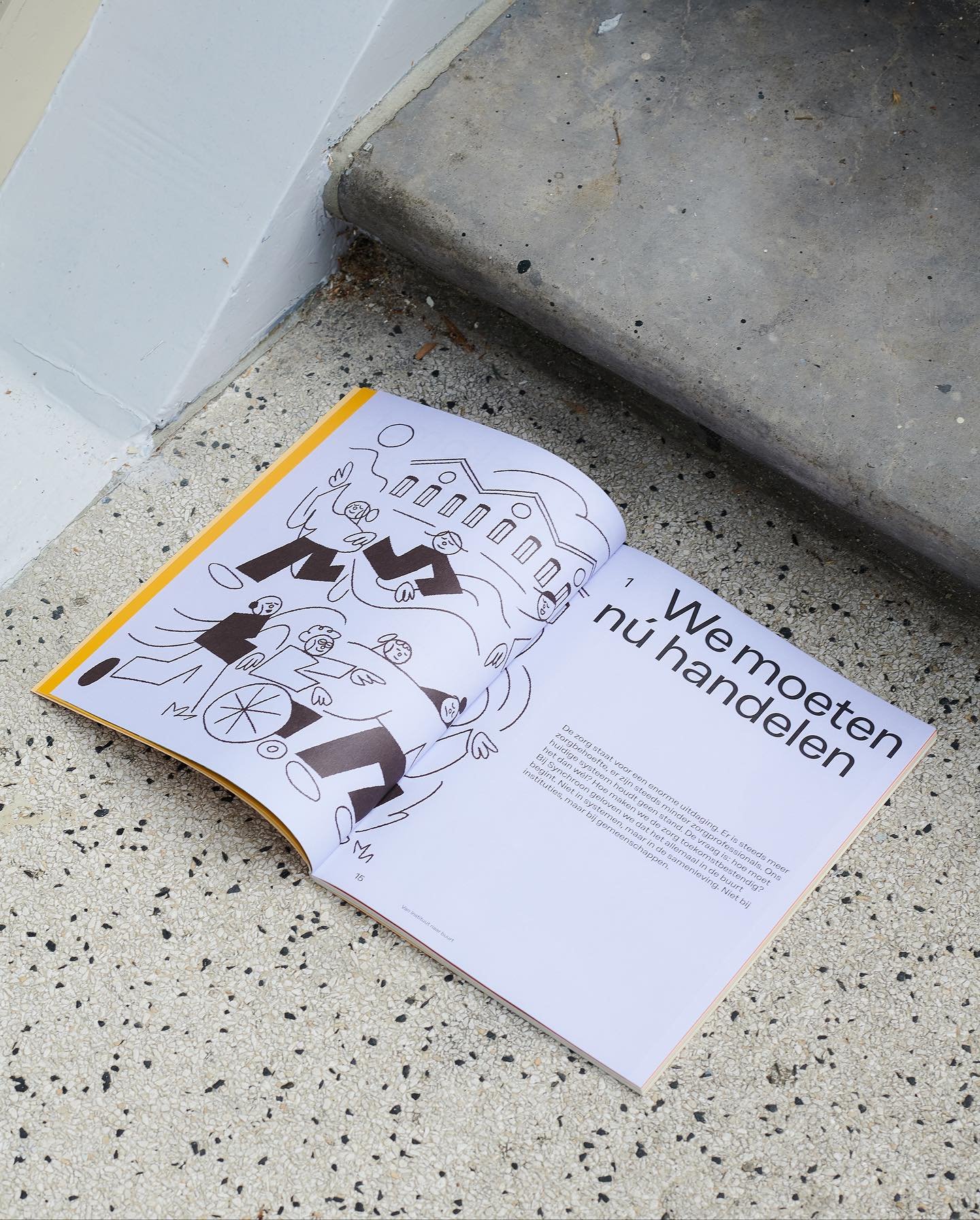
Danish illustrator Morten Krantsø describes his art as a “wry observant grace on a very upside-down world,” which feels apt, as I peruse his portfolio. We sit down with Morten, to find out how he found his style.

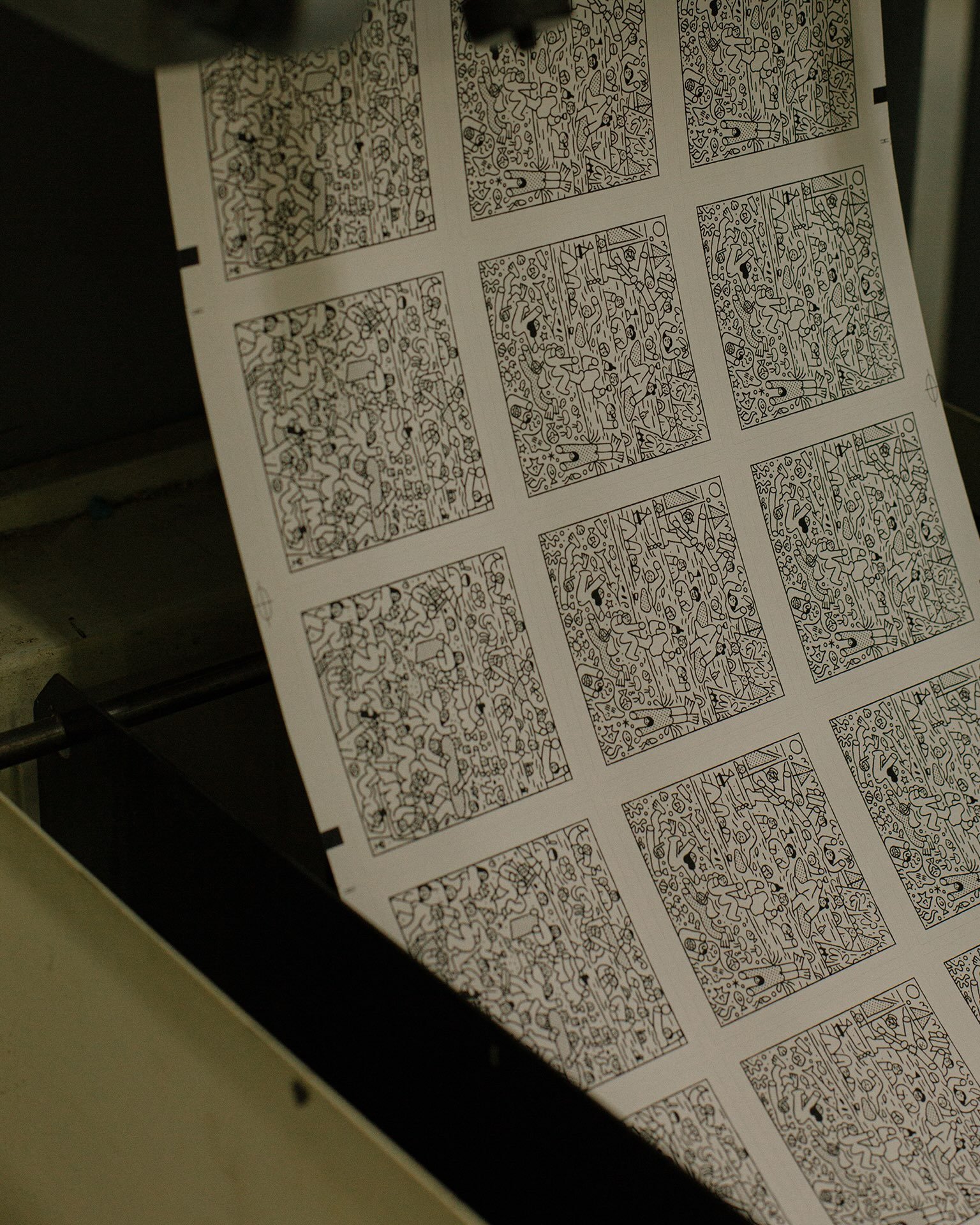
Morten’s gently satirical, yet disarmingly warm artwork adorns wine bottles, tins of olive oil, vinyl records, restaurant windows, and even magazine crosswords around the world, but he remains down-to-earth, inspired more by the process of creating than professional output.

I came across Morten after spending time with the team at Goldi, for our recent feature on the Australian olive oil producers. His illustrations adorn countless other products, most of them food and hospitality focused. 

Not to put Morten in a box, though, he produces work for magazine features around the world, from boutique zines to global mastheads; a sadly dying tradition in the editorial world.

He recently produced an animated illustration for a New York Times opinion piece on the stock market collapse, whereby an angular, stick-figured man in a suit slips within the confines of a graph; representative of an increasingly unpredictable market. It’s a sensational example of illustration used in a more serious context.

Anyway, you came here for a chat with Morten, so here it is.


What is your earliest memory of art, Morten?

My grandparents were hairdressers who later became artists (working with painting and weaving) and I remember being quite fascinated by their studio space. I was interested in the pieces, but perhaps even more so in the process and the way they worked. 

Before I went to design school, I would imitate that studio life in my own apartment. Even today, I think I’m just as drawn to the way of working as I am to the work itself. 

It was through music that I first started to express myself creatively. Composing and writing songs in a band. We released some CDs and I made the artwork for them. When the music didn’t work out, I continued drawing.

How would you describe your style, and how has it evolved across your life?

I call it warm-hearted and humorous. Illustration is really an extension of yourself and how you go about life. It changes over time, but for me, some things seem to stay: a sort of wry observant grace on a very upside-down world. 

Personally, I’m quite pessimistic, but in a gentle, satirical sort of way. Maybe that is why my illustrations remain in a simple language and feel accessible. The style has grown over the years, but the feeling has remained the same. 

From the music artwork I made early on, to the branding project I work on today, it is a rewarding experience of getting better and finding out what works. This never ends I imagine. I hope it never ends!

You’ve found a niche, at least from what I’ve seen, in the food and hospitality world. How did that happen and was it a conscious decision on your part? 

Pure coincidence. Maybe the style is easy to get along with. Some people have described it as playful without being overly cute. 

I use a lot of characters and my clients seem to like having a mascot. Really, I enjoy all kinds of projects and I’m lucky that they continue to be so diverse.

We recently featured a long-term client of yours, Goldi, for whom you have created some beautifully symbolic artwork. Talk to me about how that relationship came to be.

I did a small project with Mike Precel. A few years later he asked if I wanted to help with some illustrations for this new olive oil. I had a little farmer character that he thought could be a good fit. It has been the longest collaboration I have had and it’s been a very smooth journey and satisfying to see the family grow with each new bottle! 

Mike is a very good example of a brilliant designer who knows how to take your hand and get the best out of you. He has the best ideas. I almost always work with designers. They are really the ones that make the illustration work.
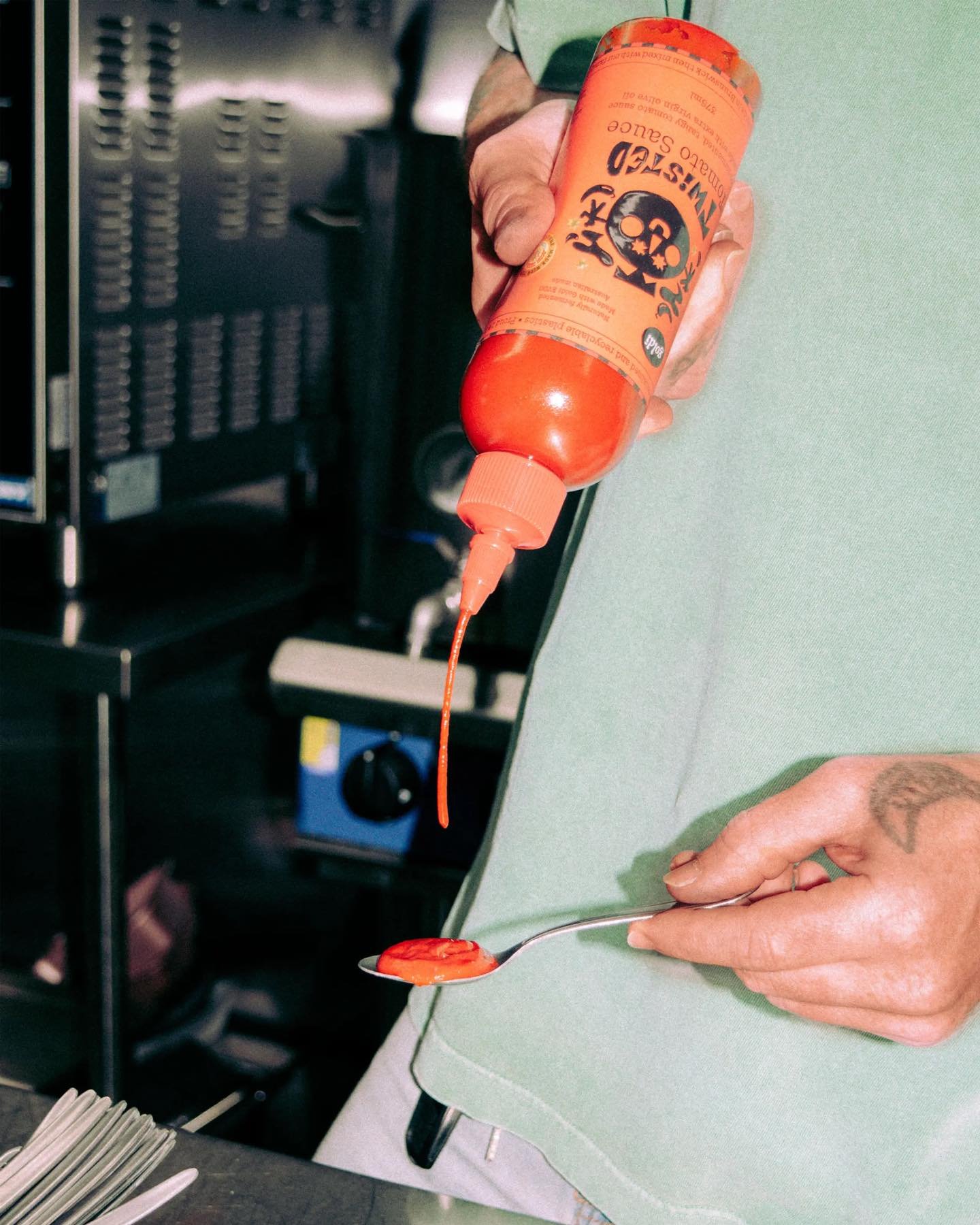
Do you prefer long-term working relationships with clients like, say, Goldi, or smaller one-off projects?

Both. I like the small projects. The client is often a small café, restaurant, wine producer, etc. I appreciate that they want to use illustration despite often having a limited budget. So, sometimes, I like that fast-paced tempo. 

At the same time, I really enjoy getting to create a larger series of illustrations for bigger projects. They allow me to create a little universe, imagining more scenes. I have yet to become tired of either of them.
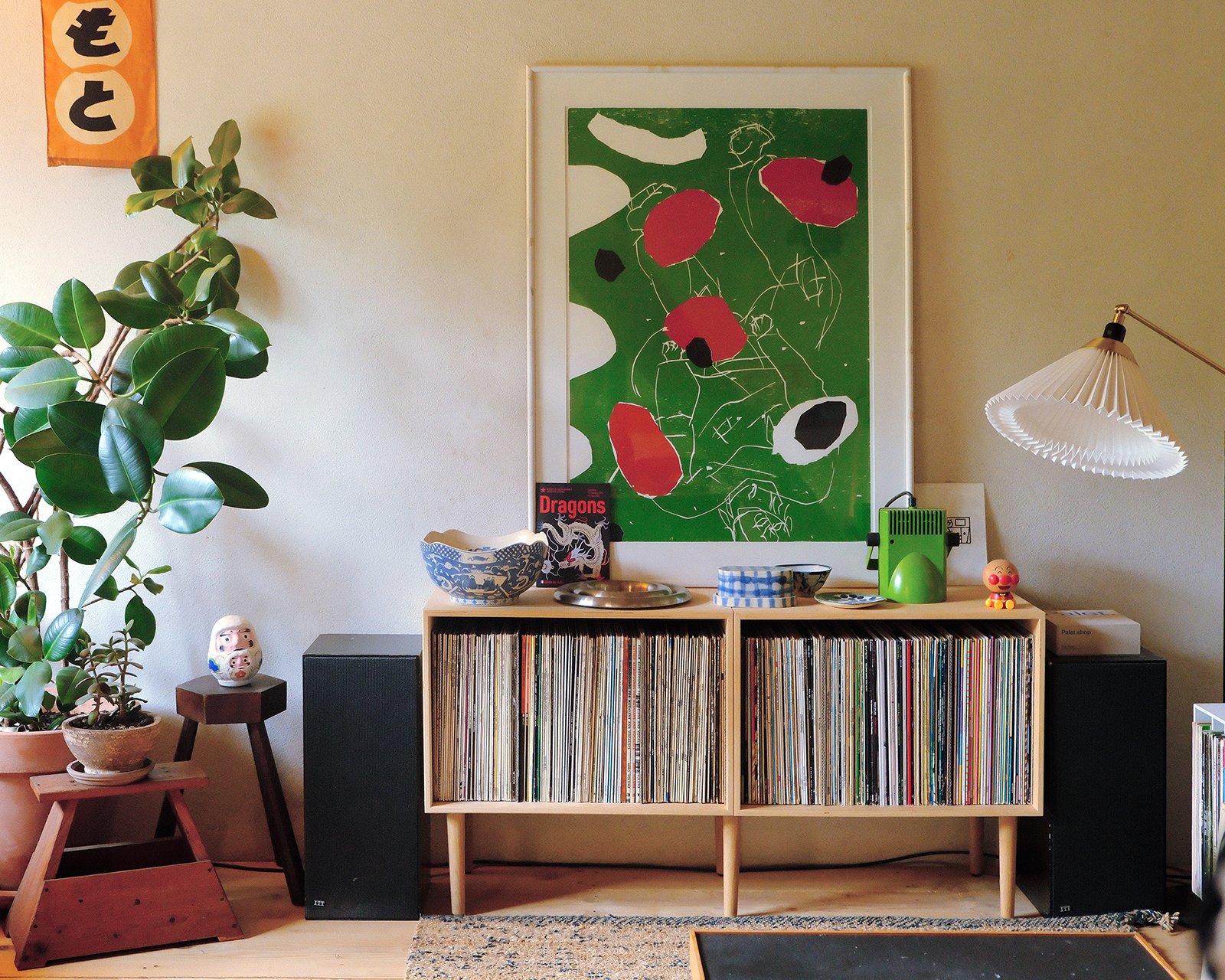
As a full-time artist, in the sense that your art is a source of income, how do you balance the paid work with the consumption of art for pleasure, and the art you do purely for yourself?

To a large extent, all the work I do is purely for myself. I take great pleasure in both. Personal work is really just what I do when there is not any paid work on the schedule, and when I make gifts for friends and family.

While we’re on the topic of art as a profession, did you know this is what you’d do in life, or are you still sometimes surprised it’s been possible…and remains possible?

Every day I’m pleased, but at the same time I have a strong conviction that it could end tomorrow. When I was young I had a rock band. I wanted to be a rockstar. Music and songs were another form of expression. 

I’m better at illustration, but at this point it is a little hard to see what could come next. I was lucky to have a partner who believed it was possible and who took on the ongoing financial burden. Otherwise, I might have ended up somewhere else. I don’t have a particularly strong belief in myself. So yes, I’m still surprised that it is possible, and very grateful.  

I’ve got to say, in an age of (often shameless) self-promotion, you buck the trend which I admire. You appear to post only your art, your achievements, work you’re proud of and have put out into the world. Do you find that to be more expressive than posting yourself?

I don’t like the focus to be on me. Everything you need to know is in the work. The sensitivity should be there. I’m there. I’m always happy to help if people have questions, but I’m not that comfortable being in the spotlight.

I respect that. What would be the most memorable project you’ve worked on, if you had to choose one?

One of the first projects I worked on was for Apartamento magazine. I was just starting as a full-time illustrator, so I felt quite surprised and pleased that they wanted to work with me. It was one of those projects that helps you build a little bit of confidence.

What are you working on right now, if you’d be willing to share? Of course you can be as vague as you need to be!

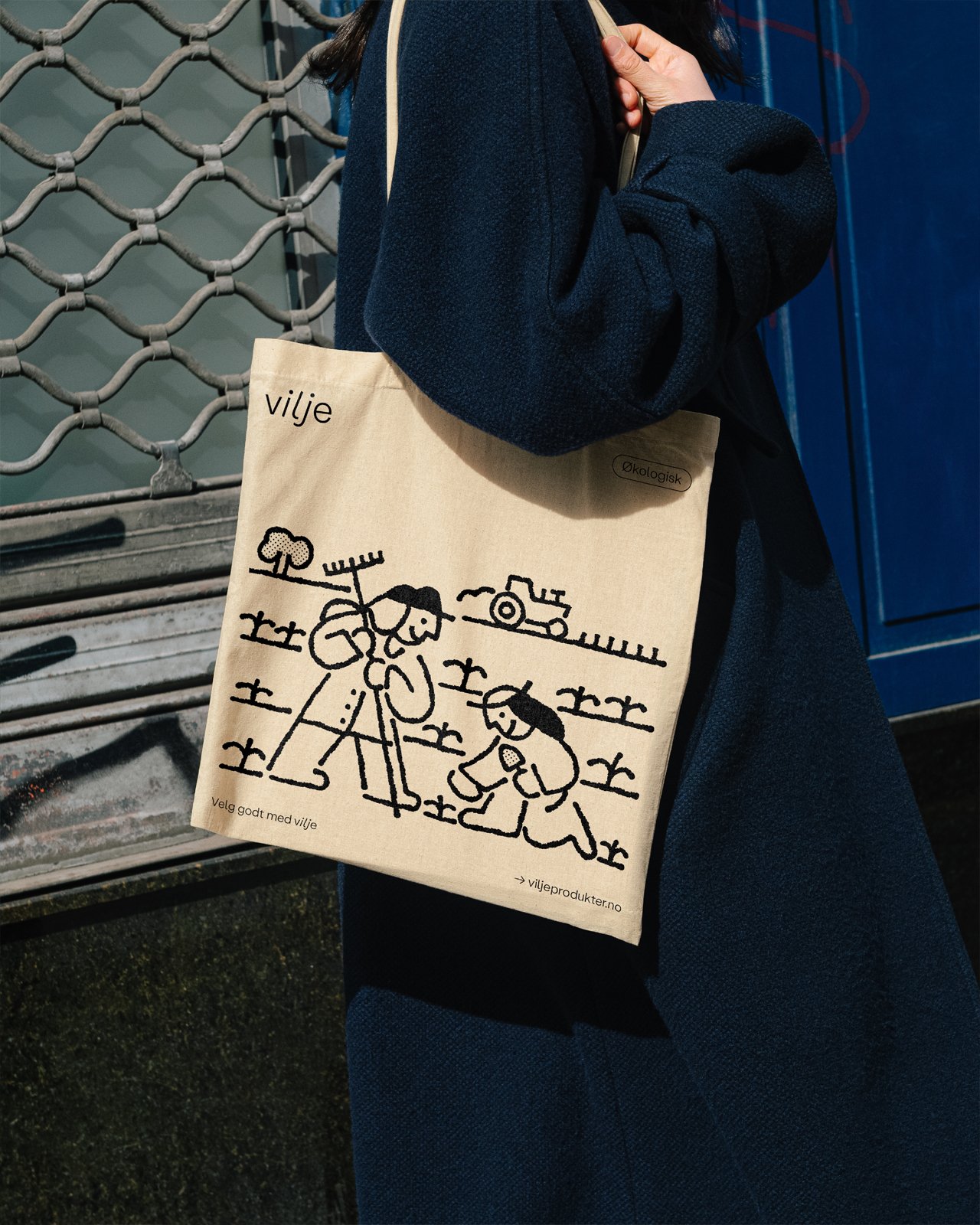
I’m continuing work for a Norwegian supermarket’s line of organic products. It is fun because I get to do a lot of different subjects from hygiene products to chocolate. We have both abstract silhouettes and characters. 

I’m also doing animations for a hotel. I like it when I get the chance to animate the illustrations. Animation has always been a huge part of my work and how I show my style. You can get so much emotion across with it.

Where do you see your art heading, as the world feels increasingly sort of turbulent and uncertain for creatives? 

Indeed we’re in troubled times, not only for creatives but in general. For now, I don’t see much changing in the way I work. It is difficult to predict, though. 

The clients I have are choosing human-made illustrations, often thanks to the designers at the studios they work with. My future might depend a lot on whether or not they make that choice. I’m not at all confident, but I hope that there will be room for me!

You can check out Morten’s work, here.

Your next Read

It’s been just over a year since Jack McCollough and Lazaro Hernandez, the duo who …

Jerry Saltz pulled in one of the hottest audiences Australia has to offer. Sincerely, I …

BMW has a long and decorated history in touring motorcycles. For decades, the brand has …

Interviewing someone for a story is always a slightly funny exercise. You can know their …