Why don't you have a seat? Lance Oppenheim's Chris Hansen movie looks every inch the part, then never quite takes the swing.

Black

Primetime Doesn’t Match Chris Hansen’s Original

11 November, 2026

Words by:

Sarah Palmieri

Robert Pattinson is magnetic as the To Catch a Predator host in A24's grainy, stylish retelling of television's strangest moral experiment. But next to the true story it's drawn from, Primetime is safe as hell.

It’s 2006, and Chris Hansen’s To Catch a Predator, the hit Dateline NBC segment, is raking in the numbers. It’s pulling the kind of ratings and cultural currency you might expect from a child-predator takedown show, where grown men pretend to be young teens online in the hope of luring in a predator and, as the title promises, catching them. Or at least humiliating them in front of a living room audience. People are eating it up, and so the show is rewarded.

Primetime, baby.

That’s how Lance Oppenheim’s new A24 film, with Robert Pattinson’s gaunt, model-esque features on the front line, earns its name.

The original story, although disturbing, is the kind you simply couldn’t make up. I’ll avoid spoilers, but it’s best documented in “Tonight on Dateline This Man Will Die”, Luke Dittrich’s 2007 long-form investigation for Esquire. Now it’s been brought to the cinema by none other than documentarian Lance Oppenheim, the 30-year-old director behind Some Kind of Heaven, Spermworld and HBO’s Ren Faire. Primetime is his first scripted feature.

It arrives in the same season as his other release, You Can See Everything, co-directed with the ever-brilliant Nathan Fielder and starring the ever-infamous Elizabeth Holmes. Shot secretly over three years, the near three-hour documentary begins in the 34 days before Holmes reported to federal prison to start an 11-year sentence for the lies that built Theranos.

Oppenheim has made no secret of his own fixation. The project famously began with a Chris Hansen Cameo video his wife bought him as a birthday gift. “The real Chris Hansen was like this mythological figure to me,” he told The Nightly.
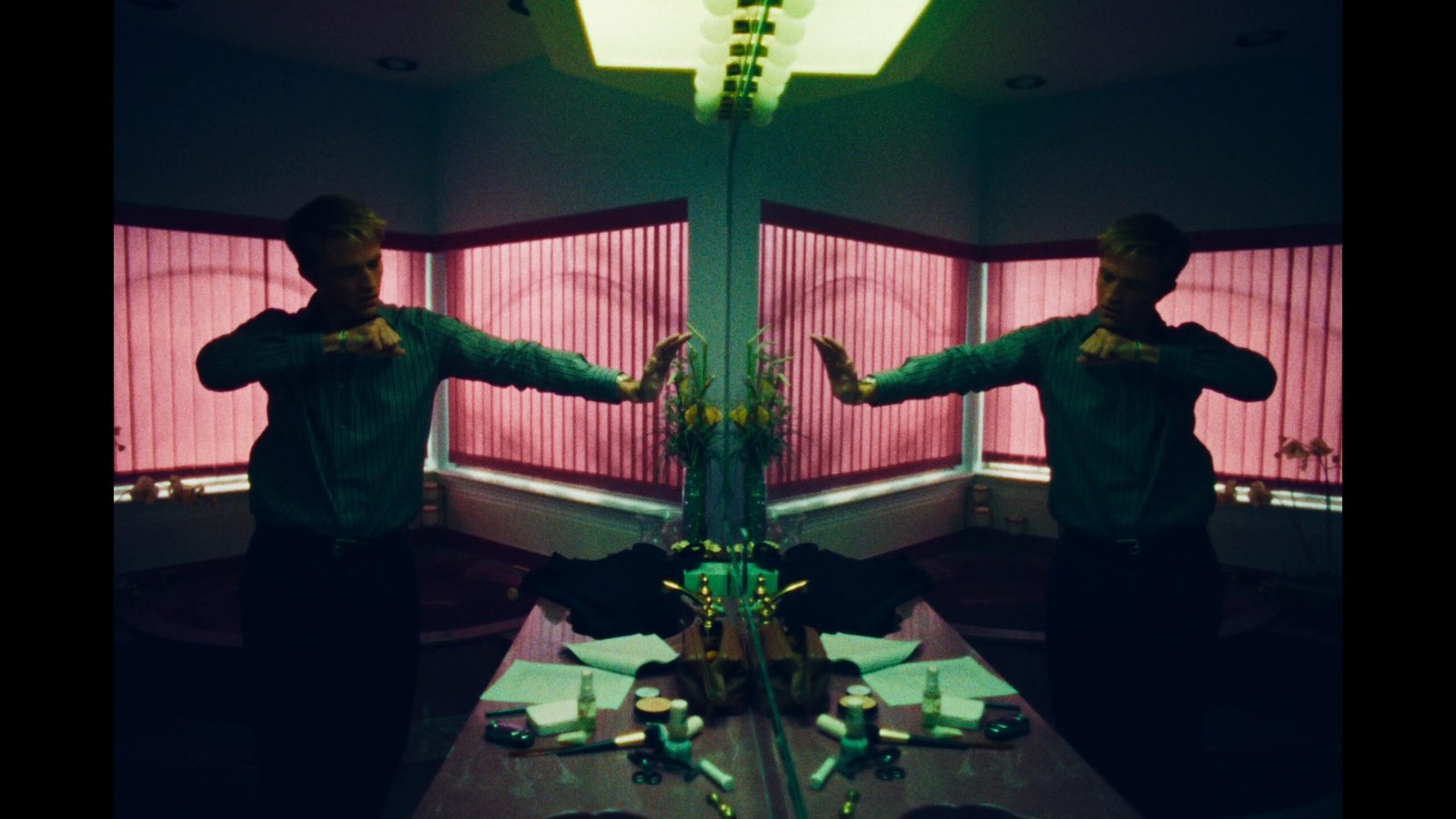
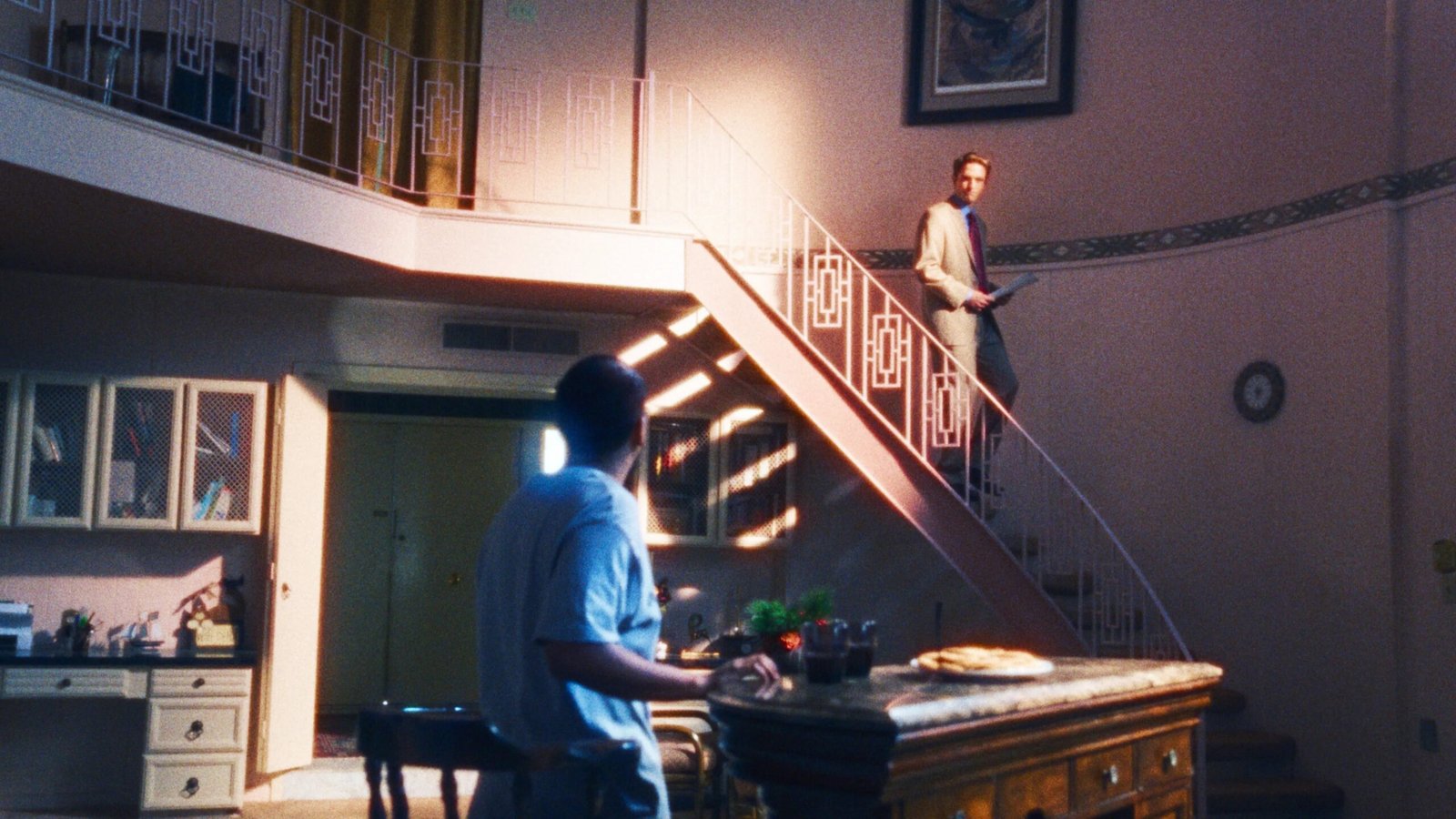
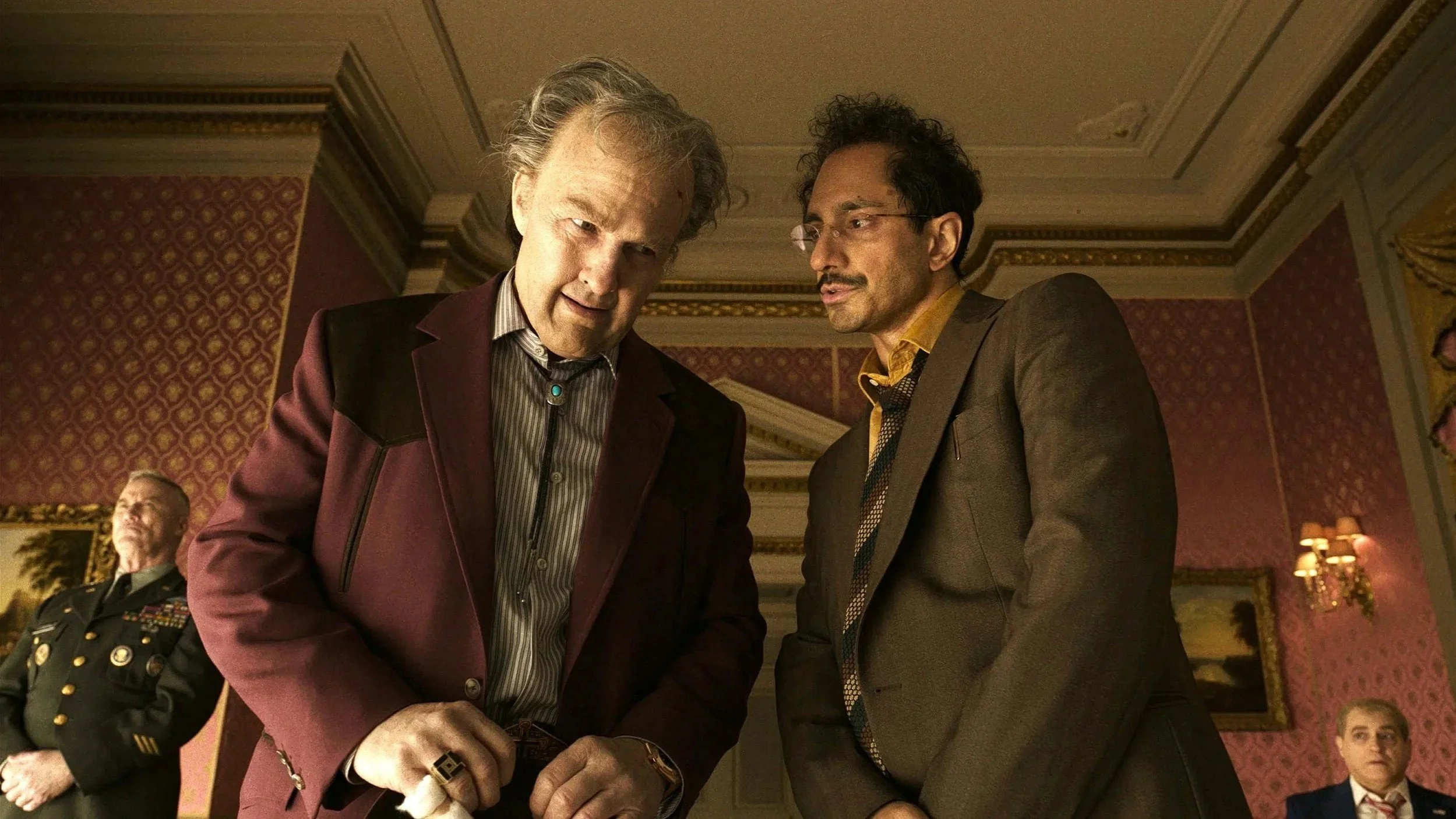
The heavily stylised film casts Pattinson as a kooky, enthusiastic Hansen on the brink of having it all: king of network television and a kind of Batman-esque saviour of children preyed on by local predators. Those predators are hunted down by Perverted-Justice, a clan of incel-adjacent gamer types who spend their nights online trying to lure in nearby villains.

The formula is simple. The volunteers find the men, then invite them to a decoy house where an actor awaits. Right as any illegal act is about to strike, out comes Hansen from the low-stakes, faux stage set, script in hand, reading aloud all the filthy messages the men had sent. Then comes the dramatic arrest.

Pattinson was originally only meant to produce. Oppenheim reportedly won him over to the lead by sending 200 cans of Zyn nicotine pouches, with a note addressed to “Chris Han-Zyn”. The director insists he isn’t out to make a villain of his subject. “To me, he’s a hero, a complicated hero, like Odysseus,” he told Variety.

Alongside Pattinson is Phoebe Bridgers, in her acting debut, as the original decoy. She is soon overtaken by Skyler Gisondo, who gives an incredible performance as “Decoy Dan”, an aspiring actor who stumbles into the role without knowing everything it entails. And when things get tough, in flies the show’s producer, played by Merritt Wever, ready to drug, holler and scream wherever necessary to keep those ratings flowing.

The film’s real question, Oppenheim told W magazine: “How do you maintain a sense of self when you’re doing this dark work…”

When Primetime premiered in competition at the Venice Film Festival in September, it earned a seven-minute standing ovation. Even so, I barely heard a good word about it on the Lido, and the trade reviews landed squarely at good-not-great. Bridgers’ sheer grey Alexander McQueen gown was, to most of us, more thrilling than the film.

And yet in Australia, where it opened on 29 October and debuted at No. 1 at the box office with $1.3 million, the response has been met with far more gasps of excitement. There’s praise for Pattinson’s performance, and for the heavily aesthetic, thoughtful nuance of cinematographer David Bolen’s work. Bolen shot the film in a boxy 4:3 frame, largely on eight vintage Panasonic DVX100B camcorders, pushing the image to an exposure index of 6400 and printing it to 16mm film for that grubby, grain-soaked mid-2000s texture.

It’s a film of modest means by Hollywood standards. Made for a reported $15 million, Primetime was shot over roughly seven weeks in New Orleans in early 2025 under the working title Bluefin Tuna, standing in for Florida for tax reasons. Pattinson squeezed it in just before Christopher Nolan’s The Odyssey, saying that shoot began “literally… a few hours later”. It has since taken close to $50 million worldwide.


It seems to be the direction A24 is heading: praise be the aesthetics, and shove off any value placed on a thorough story. Long gone is the era of Moonlight, Good Time and The Lighthouse. The new trend looks like Backrooms, Tony and The Drama, where it’s all budget and vibes with little substance. It’s great, it’s great, it’s great, and then it kind of goes… nowhere.

As much as I’m a fan of Nathan Fielder, and truly did love much of the comedic brilliance that went into making You Can See Everything, it falls along the same lines.

It’s a trend that’s becoming more common: big brands trying to recreate the niche that low-budget artists carve out by necessity. You see it in the grainy aesthetic here, and the same goes for recent debut Digger. The swing simply isn’t hard enough. There’s too much padding around these big shots for them to actually feel… brave.

To Catch a Predator must be one of the strangest pieces of mainstream media there is: an ethically confusing portrait of a man trying to take down the bad guys that ultimately ended in tragedy. Primetime, although visually impressive and lined with Hollywood star performances, doesn’t get close to its pure absurdity.


Your next Read

It’s 2013. My dad has just shown me Jack Nicholson’s “You can’t handle the truth!” …

There’s something about watching a real-life love affair onscreen. Not in a Bachelorette kind of …

A woman in war is a story we’re often only shown a small facet of. …