We’re in the thick of fashion month. New York and London have been and gone, Milan has wrapped, and Paris is in full swing: 101 labels, 68 runway shows and 33 presentations in a little over a week. Glenn Martens is bringing Maison Margiela back to the calendar, Alessandro Michele returns with Valentino, and there are debuts at Courrèges and Carven. All of it Spring/Summer 2027, shown to us months before we’ll actually need any of it.
In a few months come the pre-fall collections, then cruise and resort (shown in Monaco, or Kyoto, or wherever a house decides to fly its guests that year), then Autumn/Winter, and around we go again. There’s a collection for every season now, and more and more, one for every occasion in between. Zara restocks its stores twice a week, Shein adds thousands of new styles to its site every day, and on TikTok we’ve gone from mob wife to tomato girl to brat summer before most of us had figured out what the last one was. We’re obsessed with making more, and with buying more.
Part of what we do at The Modes is spotlight the brands that, well, have a backbone, and to remind ourselves how much our purchasing power counts. It’s easy to follow trends, especially now. Understanding what we buy, and the impact that has, is an entirely different story, and it usually starts a long way from the runway.
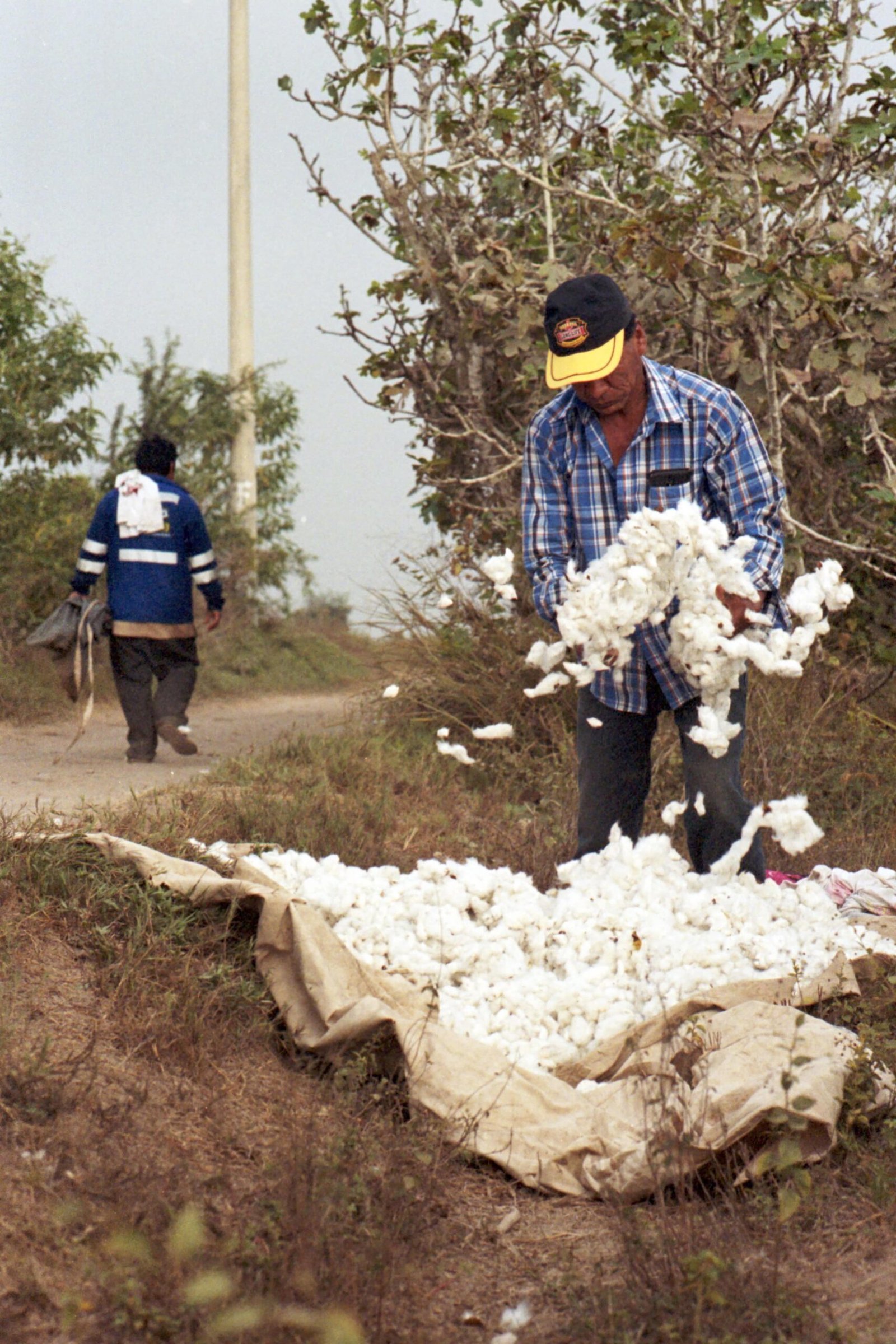
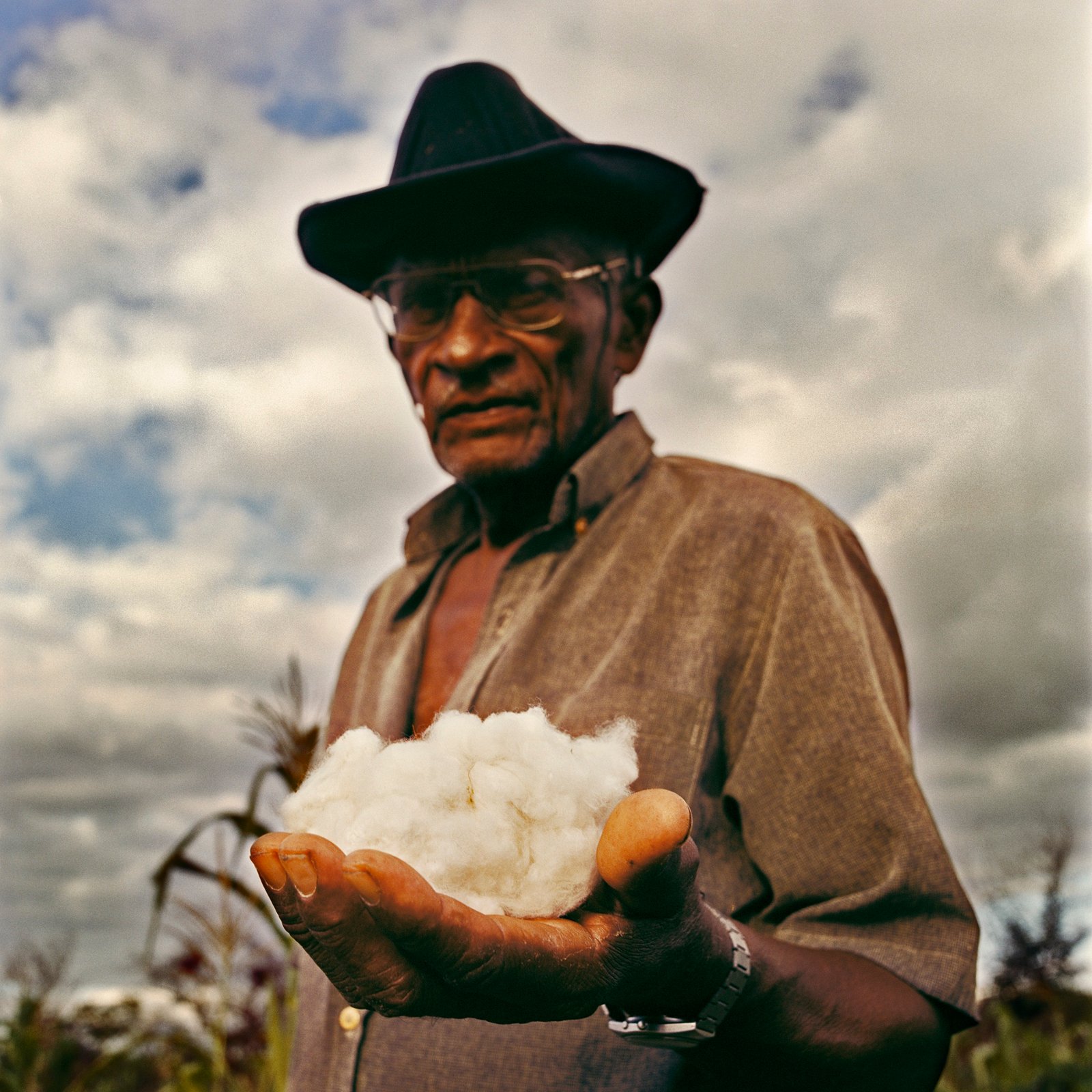
For VEJA, it starts in the north-east of Brazil, in cotton fields farmed by small producers’ associations, and deep in the Amazon, where rubber tappers work the trees by hand. The French label has been making sneakers since 2005, and in that time it has sold more than 14 million pairs without a traditional ad campaign, an investor or any debt.
This year it released its first sandals.
Twenty years between a first sneaker and a first sandal is a long time in an industry this hooked on newness.